Embarking on your first solo journey is like standing at the edge of a precipice, heart pounding with equal parts exhilaration and terror. The world stretches before you—unpredictable, vast, and brimming with the promise of self-discovery. Yet, beneath the thrill of adventure lies a labyrinth of uncertainties: Will I be safe? Can I afford this? What if I’m utterly unprepared? These questions are the crucible in which solo travel is forged. They’re not just doubts; they’re the raw material of transformation. So, let’s dismantle them piece by piece, not to erase the fear, but to wield it as a compass.
The Safety Paradox: Trusting Yourself Before the World
Solo travel is a paradox wrapped in a riddle: the more you trust yourself, the less the world seems capable of harming you. Yet, this trust isn’t born from naivety—it’s cultivated through calculated vigilance. The first rule? Assume nothing, verify everything. Research your destination’s cultural norms, political climate, and local scams. A woman alone in a conservative neighborhood might draw stares; a man in a backpack could be mistaken for a target. Adapt your behavior without compromising your essence.
Safety isn’t about avoiding risk—it’s about managing it. Share your itinerary with someone you trust, but not in real-time. Use encrypted apps like Signal for check-ins. Avoid flashing wealth; a $200 watch in a $2 street market is an invitation. And always, always have an exit strategy. Know the nearest embassy, a safe transport option, and a backup accommodation. The goal isn’t to live in fear, but to move through the world with the quiet confidence of someone who knows their worth—and their limits.

Consider the art of situational awareness—the ability to read a room before entering it. In a crowded train, stand near the exit. In a bar, keep your drink in sight. These aren’t paranoid precautions; they’re the difference between a story you’ll tell and one you’ll suppress. And remember: the most dangerous moments often come not from strangers, but from our own exhaustion. Sleep deprivation clouds judgment. Stay sharp.
Money Matters: The Delicate Alchemy of Budgeting and Flexibility
Money is the silent dictator of travel. It decides where you sleep, what you eat, and how far you wander. Yet, the first-time solo traveler’s budget is often a house of cards—built on hope, propped up by naivety. The key? Diversify your financial arsenal. Cash is king in many places, but cards are safer. Carry both, but never all of either. Split your funds across multiple accounts or a hidden stash in your luggage. A $100 bill tucked in your shoe is worth more than one in your wallet when the ATM swallows your card.
Budgeting isn’t about deprivation; it’s about strategic indulgence. Splurge on experiences that matter—a sunset dinner in Santorini, a guided hike in Patagonia—but scrimp on the mundane. Eat street food. Take local transit. Stay in hostels with communal kitchens. And always, always have a contingency fund. A canceled flight, a stolen wallet, a sudden illness—life has a knack for testing your resilience. Aim for 20% of your total budget as a buffer. It’s not pessimism; it’s pragmatism.

But what about the unplanned expenses? The spontaneous detour to a remote village? The last-minute tour that changes your life? This is where flexible budgeting comes in. Allocate a “mad money” fund—untraceable, unplanned, untethered. This isn’t frivolity; it’s the lifeblood of serendipity. The best stories aren’t scripted. They’re stumbled upon in the cracks of your carefully laid plans.
Loneliness vs. Liberation: The Solo Traveler’s Emotional Rollercoaster
There’s a myth that solo travel is a nonstop festival of self-discovery. The truth? It’s a rollercoaster of loneliness and liberation, often in the same hour. One moment, you’re dancing under neon lights in Tokyo, the next, you’re staring at a hotel wall in Reykjavik, questioning every life choice. Loneliness isn’t a failure; it’s a phase. It’s the price of admission to the temple of independence.
Combat it not by avoiding solitude, but by mastering it. Learn to dine alone without shrinking into your phone. Strike up conversations with fellow travelers in hostel common areas. Join a walking tour or a cooking class. The goal isn’t to fill every silence, but to embrace the ones that teach you something new about yourself. And when the loneliness feels suffocating, remember: this too shall pass. The same solitude that weighs you down today will be the source of your greatest stories tomorrow.

But liberation is the other side of the coin. Solo travel strips away the noise of expectations—the “shoulds” and “musts” that society imposes. You’ll make decisions based on your whims, not the approval of others. Want to sleep until noon? Do it. Want to take a bus to nowhere in particular? Go. The world becomes your playground, and you, its most unpredictable player. This freedom is intoxicating. It’s also terrifying. But terror, when harnessed, is the engine of growth.
Packing Like a Pro: The Art of Traveling Light Without Losing Your Soul
Packing is a high-stakes performance art. Do it wrong, and you’ll be schlepping a suitcase up a cobblestone hill in Lisbon. Do it right, and you’ll move through the world like a shadow—unencumbered, unseen. The golden rule? If you can’t carry it for a mile, you’ve overpacked. A 40L backpack is your best friend. A 70L suitcase is your ball and chain.
Start with the capsule wardrobe approach. Choose versatile pieces that layer well—neutral colors, quick-dry fabrics, items that can be dressed up or down. A single pair of shoes can serve as both sandals and casual sneakers. A sarong doubles as a towel, a blanket, and a cover-up. And always, always pack a compact, multi-tool. A Swiss Army knife isn’t just a gadget; it’s a lifeline in a pinch.

But packing isn’t just about the physical—it’s about the psychological. The fewer items you carry, the lighter your mental load. You’ll make decisions faster, adapt quicker, and feel more agile. And when you realize you forgot your favorite sweater? You’ll survive. The world won’t end. You’ll buy a new one—or realize you didn’t need it in the first place. That’s the real lesson of solo travel: You are more adaptable than you think.
Cultural Chameleon: Blending In Without Losing Yourself
Standing out in a foreign land is inevitable. Standing out too much is a recipe for trouble. The goal isn’t to erase your identity, but to adapt your presence without diluting your essence. Research local customs—when to bow, how to greet, what to wear. In Japan, a slight bow is respectful; in Italy, a kiss on both cheeks is expected. Ignorance isn’t charming; it’s offensive.
Learn the basics of the local language. Not to impress, but to connect. A simple “thank you” in the native tongue can open doors—literally and metaphorically. And observe. Watch how locals interact. Mimic their body language. The more you blend, the less you’ll be targeted. But remember: blending isn’t about becoming someone else. It’s about showing respect for the culture you’re visiting. Your uniqueness is your gift to the world—just package it wisely.

The flip side? Don’t let cultural immersion erase your boundaries. Solo travel isn’t an invitation to lose yourself in the pursuit of authenticity. You’re not a chameleon; you’re a guest. Set limits. Know when to say no. And never, ever compromise your safety for the sake of fitting in. The world is vast enough to accommodate both your curiosity and your caution.
Tech vs. Tact: Navigating the Digital Minefield
Technology is a double-edged sword. It connects you to the world but also exposes you to its dangers. Your phone is a lifeline, but it’s also a tracking device. Disable location services when not in use. Use a VPN on public Wi-Fi. Avoid logging into sensitive accounts on shared devices. And always, always have offline maps downloaded. Google Maps is a godsend, but it’s useless when you’re in a tunnel or a dead zone.
Social media is another beast. Posting real-time updates is tempting, but it’s also broadcasting your location to potential trouble. Wait until you’re in a safe place to share. And curate your digital footprint. Delete old photos, clear your browser history, and use a burner email for travel bookings. The less you leave behind, the harder you are to find.
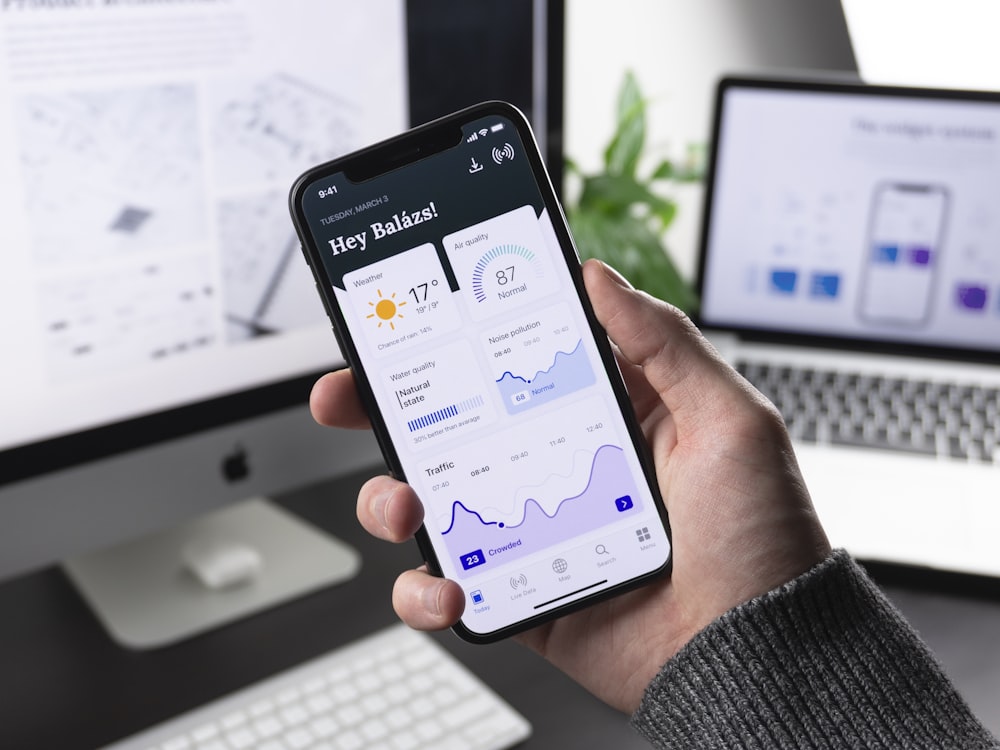
But tech isn’t just about safety—it’s about opportunity. Use apps like Couchsurfing to meet locals. Join Facebook groups for expats and travelers. Download Duolingo to learn the language. The right tools can turn a solo trip into a global network. Just remember: technology is a tool, not a crutch. Don’t let it replace human connection. The best stories come from the people you meet, not the apps you use.
The first solo trip is a baptism by fire. It will test you, scare you, and ultimately, remake you. But the questions that haunt you now—Will I be safe? Can I afford this? Am I ready?—aren’t obstacles. They’re the very fabric of the journey. Embrace them. Wrestle with them. And when you emerge on the other side, you’ll realize: the fear was never the enemy. It was the price of admission to the life you were always meant to live.