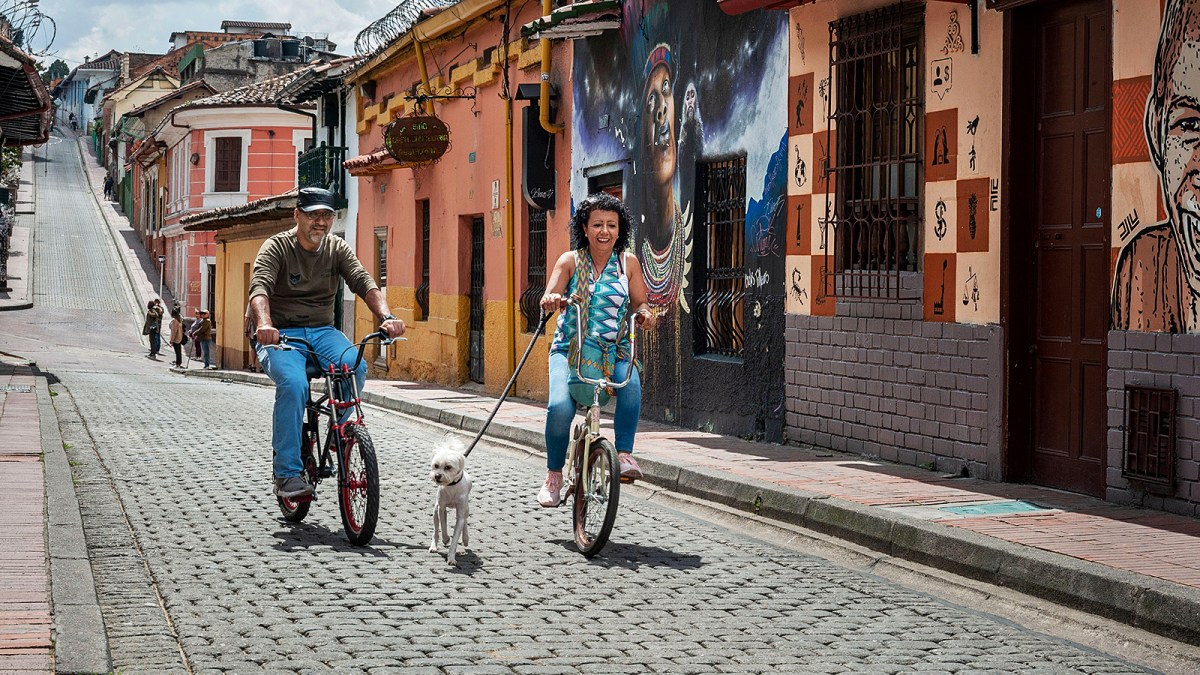
Travelers often compare the solo experience in Colombia to that of New York City, noting that the Colombian capital and its surrounding regions can feel surprisingly secure for a lone explorer. While NYC is renowned for its bustling streets and extensive public services, Colombia’s blend of community vigilance, cultural norms, and infrastructure creates a distinct sense of safety that resonates with solo adventurers seeking both freedom and reassurance.
1. Visible Community Policing
In cities like Bogotá and Medellín, police officers patrol neighborhoods on foot and by bicycle, fostering a visible presence that deters petty crime. Their approachable demeanor encourages quick interaction, allowing travelers to ask for directions or report concerns without hesitation. This direct, community‑focused approach differs from NYC’s larger, more dispersed police districts, where officers may be less immediately accessible.
2. Neighborhood Watch Networks
Many Colombian districts have organized “Vecindario Seguro” groups—resident‑led watch programs that monitor streets, share alerts, and welcome visitors. These networks often post contact numbers in public spaces, creating an informal safety net. Solo travelers benefit from this grassroots vigilance, which can provide immediate assistance far more readily than the formal, bureaucratic channels typical of New York’s public safety system.
3. Lower Population Density in Tourist Zones
Outside the central business districts, Colombian attractions such as the historic centers of Cartagena or the coffee‑region towns have fewer crowds compared to Manhattan’s constant throngs. Reduced foot traffic lowers the likelihood of pickpocketing and makes it easier for lone travelers to maintain situational awareness, contributing to an overall perception of safety.
4. Strong Hospitality Culture
Colombians are known for their warm, inclusive hospitality toward guests. Street vendors, shop owners, and local residents often greet visitors with genuine curiosity and helpfulness, creating an environment where solo travelers feel seen and supported. This cultural warmth contrasts with the anonymity that can characterize New York’s fast‑paced, performance‑oriented interactions.
5. Clear Tourist Signage and Maps
Key sites in Colombia are equipped with multilingual signage, pedestrian‑friendly maps, and clearly marked routes, especially in historic districts. These resources simplify navigation for individuals traveling alone, reducing the stress associated with getting lost—a common anxiety in NYC’s labyrinthine subway system.
6. Reliable Ride‑Sharing Options
Apps such as Beat, DiDi, and Uber operate widely across Colombian cities, offering vetted drivers, real‑time tracking, and in‑app emergency buttons. The prevalence of these services makes it easy for solo travelers to move safely at any hour, mirroring but often surpassing the safety features found in NYC’s ride‑share ecosystem.
7. Lower Night‑Time Crime Rates in Tourist Areas
Statistical analyses show that popular tourist neighborhoods in Colombia, like La Candelaria in Bogotá or the Old City of Cartagena, experience lower rates of violent crime after dark compared to certain Manhattan districts. Enhanced lighting, regular patrols, and community vigilance combine to create a safer nocturnal environment for lone explorers.
8. Accessible Emergency Services
Colombia’s emergency response numbers (123 for police, 115 for medical assistance) are widely publicized in hotels, hostels, and tourist brochures. Many establishments also provide printed cards with these numbers. This straightforward access to help reinforces the confidence of solo travelers, whereas NYC’s multitude of service lines can be confusing for newcomers.
9. Emphasis on Personal Identification
Colombian businesses often request a form of identification—cédula or passport—during transactions, which discourages fraudulent activity and provides an additional layer of accountability. Solo travelers benefit from this practice, as it reduces the risk of scams that can target individuals lacking companion verification, a scenario more common in fast‑moving New York commerce.
10. Cultural Respect for Personal Space
While Colombians are socially warm, they also maintain a respectful distance in public settings, especially in cafés and parks. This balance allows solo travelers to feel comfortable sitting alone without intrusion, contrasting with New York’s high‑density seating where personal space can feel compromised.
11. Structured Tourist Information Centers
Major Colombian cities operate well‑staffed tourism bureaus that provide free maps, safety briefings, and local guidance. Staff members often speak multiple languages and can quickly relay alerts about temporary hazards. Such centralized, visitor‑focused resources streamline safety awareness, a service that NYC’s dispersed information points may not match in immediacy.
12. Growing Traveler Community
Colombia’s popularity among backpackers and solo adventurers has cultivated a vibrant online and on‑ground community. Forums, social media groups, and hostels encourage the exchange of safety tips and meet‑ups, fostering a supportive network that enhances individual security. This collective knowledge base offers a safety net that is less formal but highly effective compared to the largely individualistic travel culture in New York.