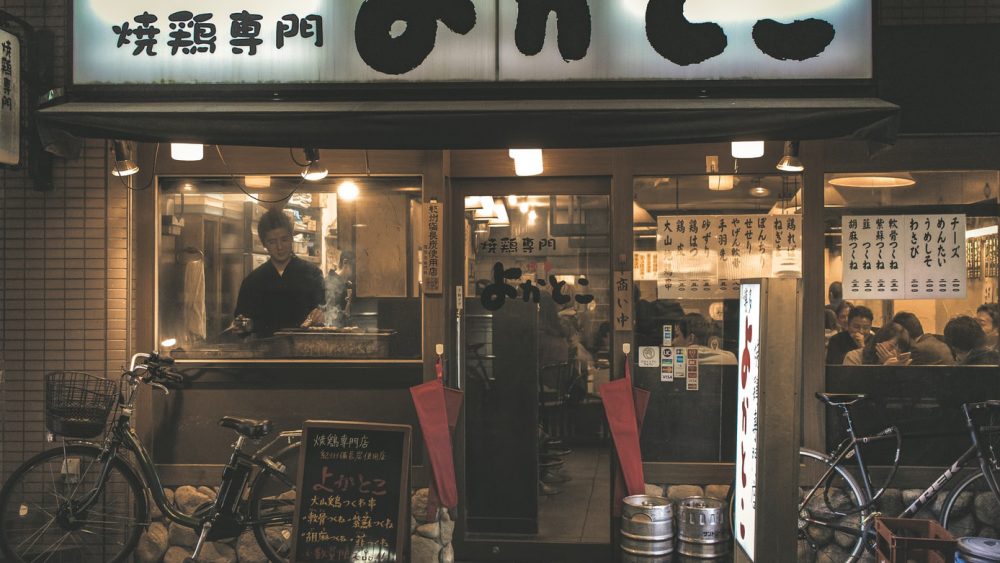
Stepping into an izakaya is like entering a micro‑cosm of Japanese social life where the menu is a curated adventure and the atmosphere encourages relaxed camaraderie. Understanding the unwritten rules and cultural cues can transform a simple dinner into a memorable immersion. Below is a practical guide that reshapes expectations, revealing why each step matters and how to navigate the experience like a seasoned local.
1. Arrive Early, Reserve When Possible
Most izakayas thrive on a steady flow of patrons rather than fixed seating, but popular spots fill up quickly, especially after work hours. Arriving 15–30 minutes before peak time (typically 6 p.m.–8 p.m.) guarantees a seat and allows you to soak in the ambience before the rush. If you’re in a large city or visiting a renowned establishment, a quick reservation via phone or a digital platform prevents the disappointment of being turned away.
2. Follow the Seating Etiquette
Typical izakayas offer a mix of counter, tatami, and small tables. When a host greets you, they will often point to a seat; accepting it shows respect for the staff’s judgment. If you prefer a specific arrangement—such as a counter for a better view of the kitchen—politely ask before being seated. Switching seats after being placed is considered rude unless an emergency arises.
3. Understand the Menu Layout
Izakaya menus are divided into categories: sashimi, grilled dishes, fried snacks, soups, and rice or noodle plates. Rather than scanning every item, focus on the “recommended” or “chef’s special” sections, which highlight seasonal ingredients and house specialties. Many menus also include a separate list of “shareable plates” marked with a small icon—these are intended for communal dining and are the backbone of the izakaya experience.
4. Order in Small Batches
Unlike Western restaurants where a full order arrives at once, izakayas encourage incremental ordering. Start with a light appetizer—such as edamame or a small bowl of seaweed salad—then progress to grilled skewers (yakitori) or fried items (tempura). This pacing aligns with the flow of drinks and keeps the kitchen operating efficiently. Ordering too many dishes at once can overwhelm the staff and disrupt the rhythm of the night.
5. Pair Drinks with Dishes Thoughtfully
The drink menu ranges from sake and shochu to Japanese whisky, beer, and highball cocktails. A rule of thumb is to match lighter drinks, like cold beer or a chilled sake, with salty or fried foods, while richer sakes complement sashimi and grilled fish. When in doubt, ask the bartender for a “pairing suggestion”—their recommendation often reflects the day’s freshest ingredients.
6. Observe the “Nomihoudai” Option
Many izakayas offer a “nomihoudai” (all‑you‑can‑drink) plan, typically lasting one to two hours. This flat fee includes a selection of drinks and sometimes a starter plate. It’s a cost‑effective way to sample a variety of beverages, but be mindful of the time limit. When the timer expires, the staff will gently remind you, and any additional drinks will be billed separately.
7. Share, Don’t Hoard
Sharing is central to izakaya culture. Plates are placed in the center of the table for everyone to sample. Avoid taking an entire portion for yourself; instead, use chopsticks to take a bite, then pass the dish around. This practice not only fosters conversation but also demonstrates cultural awareness and respect for the communal dining ethos.
8. Use the “Otsumami” Snacks Wisely
In addition to the menu, many izakayas provide complimentary “otsumami”—small bites like peanuts, dried fish, or pickled vegetables—while you wait for your order. These are intended to tide you over, not replace a full appetizer. Consuming them in moderation shows appreciation without overwhelming the palate before the main dishes arrive.
9. Manage Your Pace with the “Kanpai” Ritual
When raising a glass, say “kanpai” (cheers) and wait for all participants to clink before taking a sip. This moment slows the drinking pace, giving you time to savor flavors and observe the kitchen’s rhythm. Skipping the ritual can appear dismissive and may lead to missed opportunities for bonding with fellow diners.
10. Respect the “Okan” (Bill) Process
In most izakayas, the bill is presented at the end of the night, not per table. If you’re part of a group, it’s customary for one person to collect the total and allocate each person’s share. Cash is still widely accepted, but many establishments now support mobile payment apps. Promptly settling the check demonstrates good etiquette and ensures a smooth departure for all guests.
11. Leave a Modest Tip, Not a Mandatory One
Unlike some Western dining cultures, tipping is not a standard practice in Japan. A small gesture—such as offering a thank‑you note or simply expressing gratitude in Japanese (“gochisousama deshita”)—is more appropriate. If you feel the service was exceptional, a modest gratuity placed discreetly in an envelope may be accepted, but it is never expected.
12. Explore Seasonal Specials Before Leaving
Many izakayas rotate their menu to reflect seasonal produce, featuring items like cherry‑blossom tempura in spring or grilled eel in summer. Before concluding your meal, ask the server about any limited‑time dishes. Trying a seasonal specialty not only enriches your culinary experience but also supports the chef’s dedication to freshness and tradition.