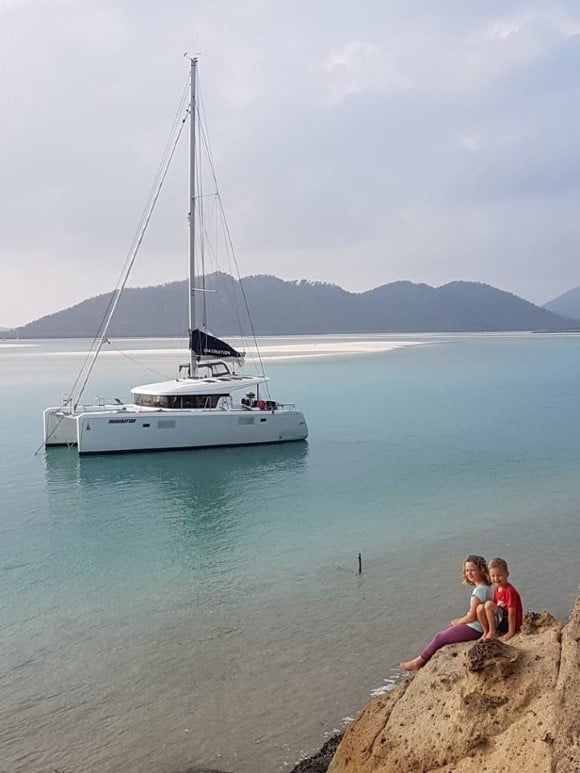
Exploring the Whitsunday Islands by boat doesn’t have to break the bank. By opting for budget-friendly vessels, you can experience pristine beaches, vibrant coral reefs, and dramatic sailing conditions while reshaping your view of what affordable adventure looks like. The following guide outlines practical steps and insider tips that shift the usual perspective on sailing in this iconic region, revealing hidden efficiencies and unexpected thrills that keep costs low and curiosity high.
1. Choose the Right Charter Model
Budget boats in the Whitsundays range from modest monohulls to compact catamarans. Prioritise models with a simple layout and basic amenities, such as the 15‑foot Tiki sailing dinghy or a shared 22‑foot cruiser. These vessels typically charge lower daily rates and require less fuel, while still offering enough deck space for a small crew and essential gear. Selecting a model that matches your sailing experience prevents unnecessary upgrades and keeps expenses predictable.
2. Book During Shoulder Seasons
The peak tourism window runs from June to November, when weather conditions are optimal. By targeting the shoulder periods of late April–May or late November, you can secure significant discounts—often up to 30 % off standard rates. The trade‑off includes slightly cooler water temperatures and a quieter marina, which can enhance the sense of isolation and discovery that many travelers seek.
3. Leverage Group Charters
Many operators offer reduced per‑person pricing when you charter a vessel as part of a group of four or more. Splitting costs for fuel, dockage, and equipment transforms a solo or couple’s budget into a shared adventure. This approach also encourages teamwork on navigation, making the sailing experience more engaging and educational for everyone aboard.
4. Use Local Mooring Facilities
The Whitsundays feature numerous public moorings that dock for a nominal fee, typically between A$5 and A$10 per night. Opting for these instead of private marina slips can save hundreds of dollars over a week‑long trip. While moorings may require a short paddle to reach shore, the added physical activity often leads to more intimate encounters with marine life and hidden coves.
5. Plan a Self‑Provisioned Menu
Dining out on the islands quickly erodes a tight budget. Stock up on non‑perishable staples—canned tuna, rice, pasta, and fresh produce—at mainland supermarkets before heading out. Preparing simple meals on board not only cuts costs but also affords more flexibility to anchor in secluded spots for sunrise breakfasts and sunset dinners, enriching the overall sailing narrative.
6. Embrace Day‑Trip Sailing
Instead of a full‑week charter, schedule a series of day trips that return to a base port each evening. This method eliminates overnight accommodation expenses and reduces fuel consumption, as you only travel short distances each day. Popular day‑trip itineraries include Whitehaven Beach, Hill Inlet, and the lesser‑known Whitsunday Passage, each offering distinct landscapes within a manageable sailing radius.
7. Navigate Using Free Digital Charts
Commercial nautical charts can be costly, but free resources such as the Australian Hydrographic Office’s online mapping service provide accurate, up‑to‑date data for the Whitsundays. Pair these charts with a reliable GPS app on your smartphone to plot courses and identify hazards without purchasing premium navigation tools.
8. Exploit Off‑Peak Anchorages
During the high season, popular anchor spots like Hamilton Island can be crowded and expensive. In off‑peak times, you’ll discover quiet anchorages—such as Lizard Island’s secluded bays—where you can berth for free or at minimal cost. These hidden spots often boast pristine snorkeling conditions and breathtaking sunrise views that are missed by most tourists.
9. Conduct DIY Maintenance Checks
Before departure, perform basic inspections on the hull, rigging, and engine (if applicable). Simple tasks—tightening loose lines, cleaning the deck, checking the bilge pump—prevent unexpected repair charges mid‑voyage. Many budget charters include a short orientation on these checks; taking the initiative shows responsibility and can sometimes earn a discount on the overall rental fee.
10. Take Advantage of Community Sailing Events
The Whitsundays host occasional regattas and sailing meet‑ups that welcome budget charterers. Participation often grants free or reduced‑price access to local facilities, fuel vouchers, and expert advice from seasoned sailors. Engaging with the community expands your network, enhances safety knowledge, and adds an element of excitement to the trip.
11. Pack Efficiently to Reduce Extra Weight
Every kilogram of excess gear increases fuel consumption, especially on motor‑assisted sails. Pack lightweight, multi‑purpose items—such as compact dry bags, collapsible chairs, and a single all‑weather jacket—to keep the vessel trim and efficient. A leaner load translates directly into lower fuel costs and smoother handling, sharpening your perception of the boat’s performance.
12. Document the Journey for Future Savings
Keeping a detailed log of fuel usage, anchorage fees, and daily expenses provides insight into where money is saved and where it leaks. This record becomes a valuable reference for future trips, allowing you to fine‑tune budgeting strategies and discover new cost‑cutting opportunities. Over time, the habit of systematic documentation reshapes your approach to sailing economics, turning every voyage into a learning experience.