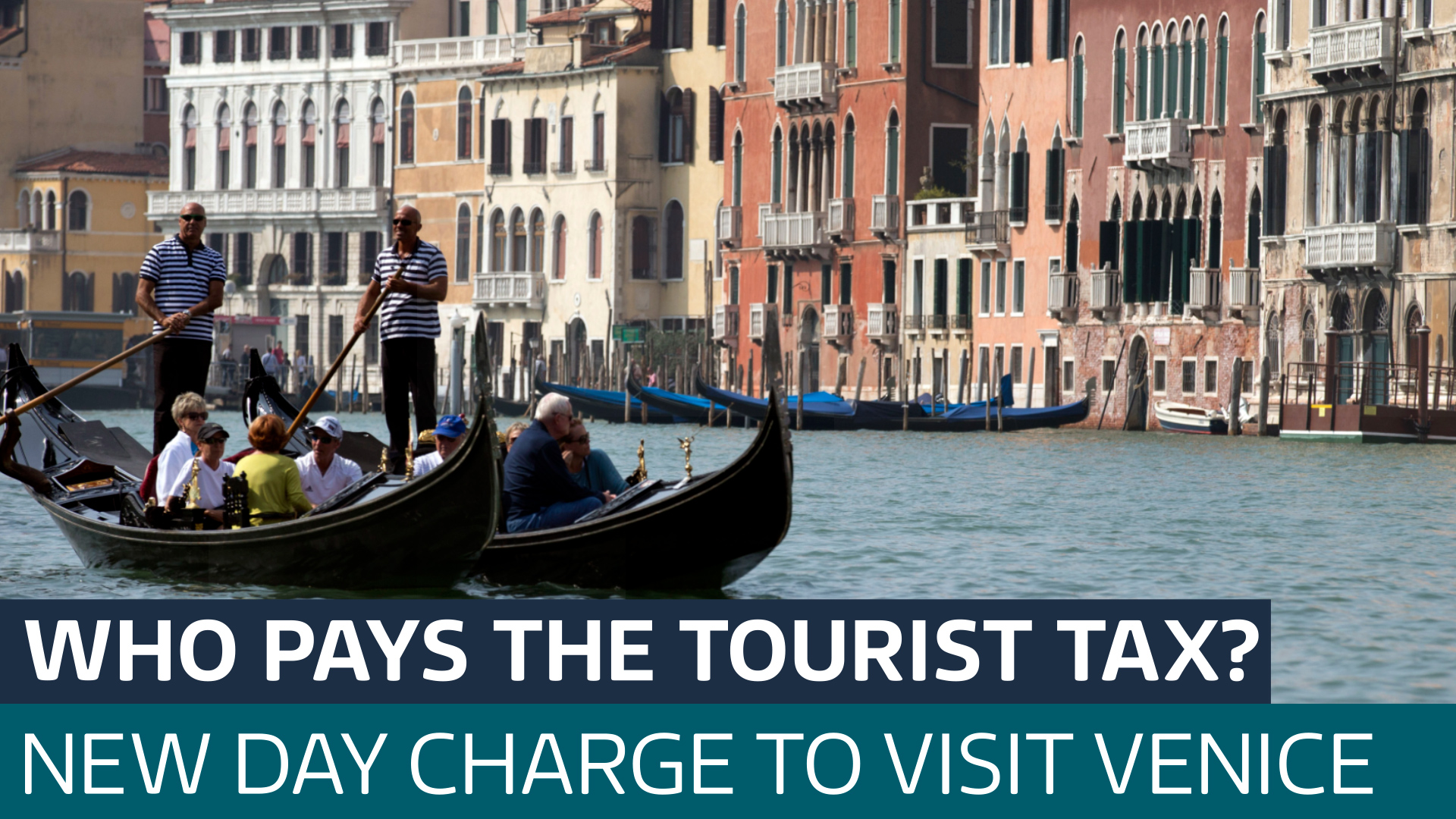
Overtourism threatens the character, environment, and daily life of many beloved destinations. In response, cities and countries worldwide have introduced visitor taxes—often called overtourism or tourist taxes—to balance economic benefits with sustainable preservation. Below is a concise guide to twelve places that have taken this step, offering insight into how these fees reshape travel experiences while protecting fragile assets.
1. Venice, Italy
Since 2019, Venice levies a daily entry fee on non‑EU tourists ranging from €3 to €10, depending on the season. The tax funds crowd‑control measures, waste management, and maintenance of historic structures that crumble under the weight of millions of visitors each year. Travelers now receive a receipt upon arrival, which also serves as a reminder that their presence directly supports the city’s preservation.
2. Barcelona, Spain
Barcelona introduced a €0.50 per‑night tourist tax for stays in hotels, hostels, and Airbnb rentals. Collected by accommodation providers, the revenue helps finance public transport upgrades and the upkeep of cultural landmarks like the Sagrada Família. The modest fee is part of a broader strategy to discourage short‑term rentals that displace local residents.
3. Amsterdam, Netherlands
Visitors to Amsterdam pay a €7 city tax per night when staying in hotels or short‑stay apartments. The funds are earmarked for initiatives that protect the city’s canals, reduce litter, and support the development of sustainable tourism apps that guide travelers toward less‑crowded neighborhoods.
4. Dubrovnik, Croatia
Dubrovnik charges a €1 per person nightly tax on all overnight stays. The revenue is allocated to the preservation of its UNESCO‑listed Old Town walls and to regulate cruise‑ship passenger flows, which have surged in recent years. The tax also supports local campaigns encouraging tourists to explore the surrounding islands, alleviating pressure on the historic core.
5. Machu Picchu, Peru
All visitors to Machu Picchu must purchase a “Conservation Ticket” that can cost up to $70 for foreign travelers during peak months. The fee funds trail restoration, limiting erosion, and the training of local guides who monitor environmental impact. By controlling visitor numbers through price, the site protects its delicate Inca architecture.
6. Reykjavík, Iceland
Iceland introduced a mandatory 1 % “tourist tax” on hotel and guesthouse stays in 2021. The collected funds contribute to infrastructure projects such as expanding public transportation and improving waste‑treatment facilities, which struggle under the influx of visitors drawn to the country’s natural wonders.
7. Queenstown, New Zealand
New Zealand’s Otago region imposes a $10 per‑night visitor levy in Queenstown. The money is directed toward preserving the surrounding alpine environment, maintaining hiking trails, and supporting community programs that mitigate the impact of adventure tourism on local ecosystems.
8. Bhutan (Travel Development Fee)
Bhutan requires all tourists to pay a $200 per‑night fee, inclusive of accommodations, meals, transport, and a licensed guide. This high‑value tax restricts visitor numbers, ensuring that tourism aligns with the nation’s “Gross National Happiness” philosophy while funding cultural preservation projects and sustainable infrastructure.
9. Santorini, Greece
Santorini enforces a €1 per person nightly tax for stays on the island. The revenue goes toward waste‑management upgrades, water‑conservation programs, and the preservation of volcanic caldera paths that experience severe foot traffic during summer months.
10. Bali, Indonesia (Regional Tax)
Indonesia’s Bali province introduced a 10 % hotel tax in 2022. Funds are allocated to coastal clean‑up initiatives, coral reef restoration, and the development of eco‑friendly public transport options, all aimed at curbing the environmental strain caused by the island’s booming tourism sector.
11. Kyoto, Japan
Kyoto implemented a ¥200‑per‑night accommodation tax in 2020, with portions earmarked for the preservation of its shrines, temples, and traditional machiya houses. The tax also supports promotional campaigns that encourage travelers to visit lesser‑known districts, distributing foot traffic more evenly across the city.
12. Angkor Wat, Cambodia
Visitors to the Angkor Archaeological Park must purchase a mandatory daily pass, costing up to $72 for foreign tourists during high season. The fee finances the restoration of stone carvings, regulation of entry points, and training of local guardians who monitor site integrity, helping to safeguard the temple complex for future generations.