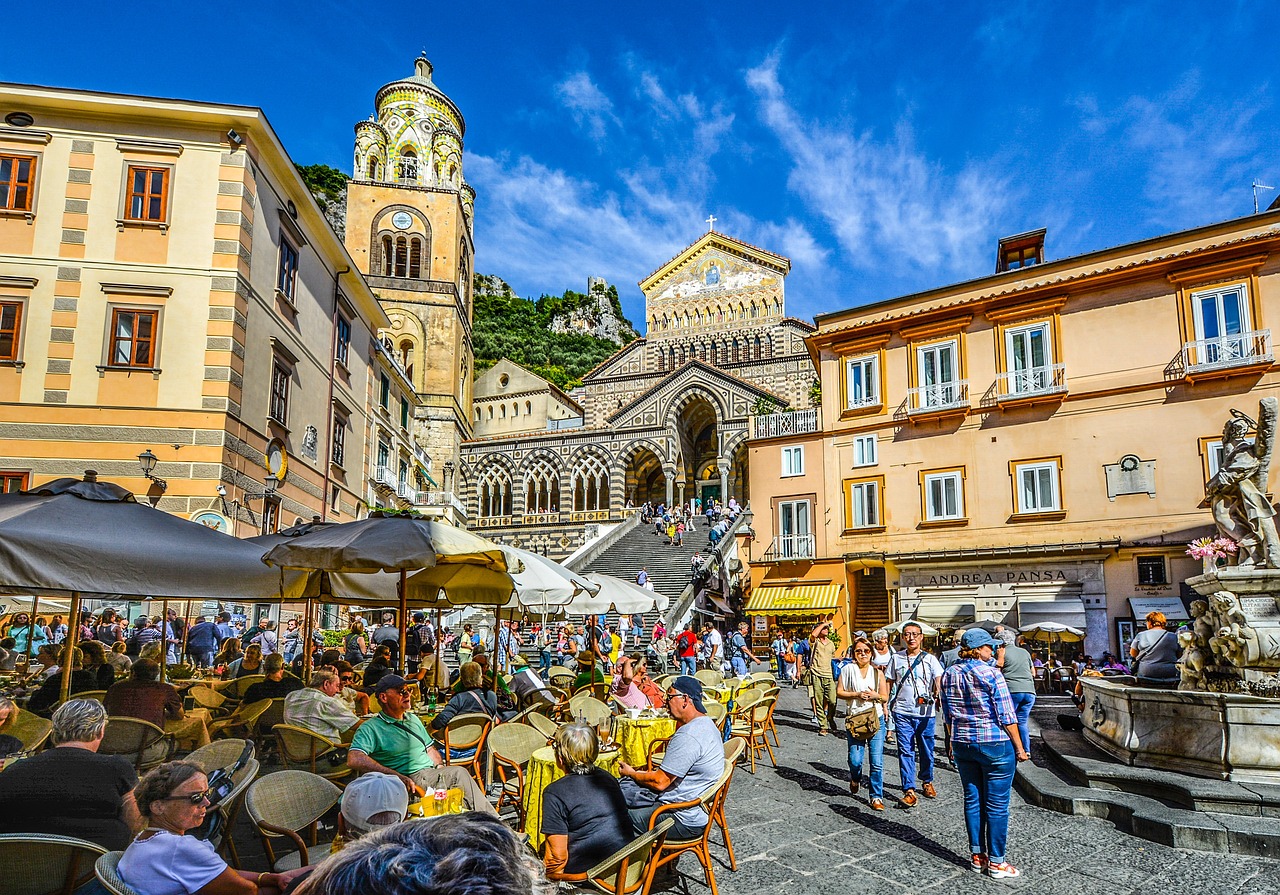
The Amalfi Coast dazzles with turquoise waters, pastel villages, and terraces that seem to tumble into the sea. Yet the very qualities that make it a postcard destination can also transform a visit into a crowded, stressful experience if you travel at the wrong moments. Below is a practical guide to the periods you’ll want to steer clear of, each explained with the reasoning that will help you re‑think the classic travel calendar and discover quieter, more authentic alternatives.
1. The Peak Summer Rush (mid‑June to mid‑August)
During these weeks, the coastline reaches its maximum capacity. Ferries run at full speed, hotels operate at near‑full occupancy, and the narrow streets of Positano, Amalfi, and Ravello become a constant stream of tourists. Prices for accommodation and dining surge by 40‑60 percent, and the famed cliff‑side views are often obscured by crowds. Choosing an off‑season window preserves both visual clarity and a more relaxed pace.
2. The August “Ferragosto” Holiday (15 August)
Ferragosto marks Italy’s midsummer holiday when locals flock to the seaside. Although the Amalfi Coast is already busy, this particular weekend intensifies the influx. Restaurants close for private celebrations, leaving fewer options for visitors. Public transport runs on a reduced timetable, and the surge in day‑trippers creates bottlenecks at popular sites such as the Grotta dello Smeraldo and the historic Duomo of Amalfi.
3. The Early Spring School Break (late February to early March)
While the weather remains cool, the timing coincides with Italian school vacations. Families from northern Italy and other European nations pour into the region, seeking a warm escape before the official summer season. The combination of lower temperatures and high visitor density offers little in the way of sunny beach days, yet the crowds remain comparable to later months.
4. The Easter Weekend (variable dates in March/April)
Easter draws religious pilgrims to the coastal towns for traditional processions and services, particularly in Amalfi’s cathedral. The influx of worshippers adds to regular tourist numbers, and many local establishments adjust hours to accommodate ceremonies. The result is a mixed crowd and limited dining windows, making spontaneous exploration more cumbersome.
5. The Late‑May “Festival Season” (late May)
Late May is when the area’s cultural calendar fills up with events such as the Ravello Music Festival and the Positano Food & Wine Fair. While culturally rich, these festivals bring a surge of visitors and heightened demand for transport and accommodation. The celebrations also concentrate crowds around specific venues, leaving other parts of the coast unusually quiet yet still heavily booked.
6. The “White‑Week” Holiday (first week of September)
Italy’s national holiday, “Settimana Bianca,” provides many Italians a week off in early September. Travelers seeking the last warm days of the season converge on the coast, creating a secondary peak that rivals July’s numbers. Hotel rates rebound, and the once‑peaceful seaside promenades become packed with sunbathers and weekenders.
7. The Late‑September “Harvest” Period (late September)
The grape and olive harvest draws agritourism groups to the region. While the landscape is at its most vibrant, the arrival of large tour groups and harvest‑related events can congest main roadways and limit parking near attractions. The weather remains pleasant, but the surge of activity means fewer quiet spots for solitary sightseeing.
8. The Early‑October “Shoulder‑Season” Spike (first two weeks of October)
Although temperatures begin to dip, many travelers aim to enjoy the Amalfi Coast before the winter chill sets in. Hotels often revert to peak pricing to capitalize on the lingering demand, and the limited daylight hours compress sightseeing itineraries. The combination of decreasing daylight and steady visitor numbers can make day trips feel rushed.
9. The Christmas and New Year Holiday Period (mid‑December to early January)
While the coast is less crowded than summer, the holiday season brings a different set of challenges. Many restaurants and hotels close for extended vacations, reducing available services. The weather can be unpredictable, with rain and occasional storms that hinder boat tours and cliff‑side walks, making the experience less rewarding despite the festive decorations.
10. The “Black‑Friday” Travel Surge (late November)
International travel deals and discounted flights encourage budget‑conscious tourists to explore the Amalfi Coast in late November. The combination of lower temperatures and promotional travel offers creates a paradoxical burst of visitors. Roads and ferry lines experience unexpected congestion, and the reduced daylight can limit the enjoyment of panoramic viewpoints that are best seen in full light.
11. The “Local Festa” Weekends (various dates throughout summer)
Each coastal town celebrates its patron saint with a “Festa” that includes fireworks, street parades, and open‑air concerts. These events attract both locals and tourists, swelling the small streets and parking lots. While the atmosphere is lively, the added noise and crowds can detract from the serene seaside ambience that many travelers seek.
12. The “Unexpected Heatwave” Window (anytime July‑August with extreme temperatures)
When an unseasonal heatwave strikes, temperatures can soar above 35 °C (95 °F). The combination of intense heat and dense crowds leads to a stressful environment: long lines at water fountains, limited shade, and increased risk of dehydration. Even the most iconic viewpoints become uncomfortable, prompting many visitors to retreat indoors rather than explore the coast’s natural beauty.