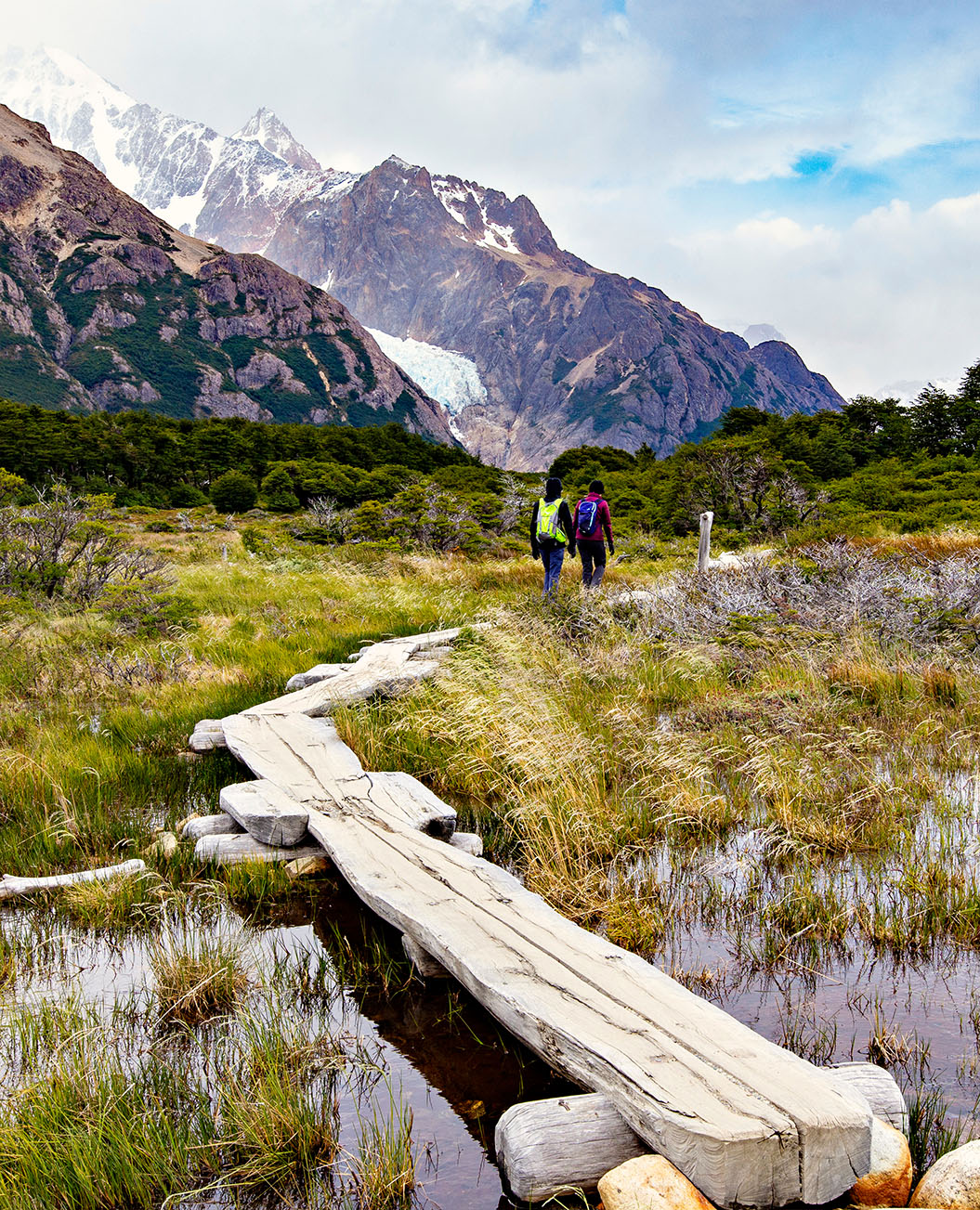
Patagonia offers some of the world’s most demanding yet rewarding wilderness experiences. The “type 2 fun” hikes are those that feel grueling in the moment but become legendary stories afterward. Below is a detailed guide to the most type 2 fun hike in Patagonia, outlining the varied content readers can expect—ranging from terrain analysis and safety tips to cultural context and photographic opportunities.
1. Trail Overview and Geographic Scope
This section provides a concise map reference, total distance (approximately 62 km round‑trip), and elevation gain (over 2,800 m). Readers will understand the hike’s placement within Los Glaciares National Park, its proximity to the famous Fitz Fitz and the dramatic Andes backdrop, and the typical three‑day itinerary required to complete it safely.
2. Difficulty Rating and Physical Demands
The hike scores a solid 9 out of 10 on the difficulty scale. Expect steep ascents, loose scree, and sections of glacier travel that demand both stamina and technical skill. This portion explains why the trek is classified as type 2 fun, emphasizing the mental resilience needed to push through fatigue and altitude effects.
3. Seasonal Considerations and Optimal Timing
Patagonia’s weather is notoriously volatile. Here readers learn the best window for this trek—mid‑December to early February—when daylight length, temperature, and snow melt create the most manageable conditions. The content also warns about the increased risk of sudden storms outside this period.
4. Flora and Fauna Highlights
While the trail’s primary allure is its sheer challenge, the surrounding ecosystems provide unique wildlife sightings. This segment describes encounters with guanacos, Andean condors, and the elusive puma, as well as seasonal blooms of the native lenga and coihue trees that pepper the higher elevations.
5. Cultural and Historical Context
Patagonia’s remote valleys once served as routes for indigenous Mapuche peoples and later for early European explorers. Readers will find concise histories of the area’s early traverses, the origins of the trail’s name, and the legacy of the 1970s mountaineering expeditions that first charted the route.
6. Gear Checklist and Technical Requirements
A practical list outlines essential equipment: crampons, ice axe, insulated bivouac sack, GPS device, and high‑calorie ration packs. The guide also clarifies which gear is mandatory for glacier sections versus the rockier alpine parts, helping readers avoid over‑ or under‑packing.
7. Navigation Tips and Route Markings
Patagonia’s trails are often poorly marked. This portion equips readers with strategies for using topographic maps, reading trail cairns, and interpreting satellite‑based navigation apps. It also includes a warning about the common misconception that the path is uniformly blazed, stressing the need for self‑reliance.
8. Safety Protocols and Emergency Procedures
Given the trek’s remote nature, this section details recommended communication devices (satellite messengers), how to locate the nearest rescue stations, and the importance of registering the itinerary with park authorities. It also outlines first‑aid measures for hypothermia, altitude sickness, and injuries from falls.
9. Campsite Locations and Overnight Logistics
The hike features three designated high‑altitude campsites—Refugio Laguna, Glacial Shelter, and Summit Base. This content explains each site’s altitude, available water sources, and shelter type (tent platform versus stone bivouac). It also advises on waste disposal to preserve the pristine environment.
10. Photographic Opportunities and Light Conditions
Photographers will appreciate the timing of sunrise over the Torres del Paine and the golden hour at the glacier’s edge. This segment offers advice on optimal lens choices, tripod placement on unstable ground, and protecting gear from sudden rain or snow showers.
11. Local Cuisine and Resupply Options
While the trail is largely self‑sufficient, the nearest ranger station in El Chaltén provides dehydrated meals, local Patagonian lamb jerky, and herbal teas. This part highlights cultural food staples and suggests how to incorporate them into the three‑day meal plan.
12. Post‑Hike Recovery and Reflection Practices
After completing the trek, readers are encouraged to engage in guided stretch sessions, hydrotherapy at nearby hot springs, and a brief journal exercise to process the experience. This final content piece reinforces why type 2 fun remains valuable: the post‑hike reflections turn physical exhaustion into lasting personal growth.