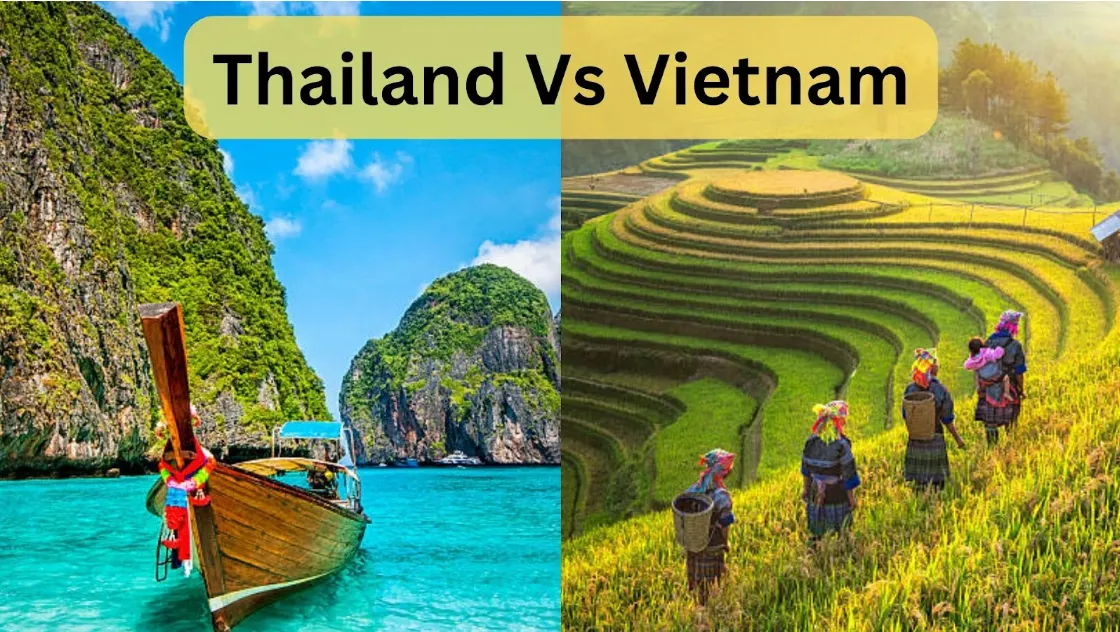
Planning a budget‑friendly adventure in Southeast Asia? The age‑old debate—Thailand vs. Vietnam—re‑emerges each year with new data, exchange‑rate swings, and shifting tourism trends. In 2025, the numbers are clearer than ever, but the real question remains: Can you guess which country will let you stretch your dollar (or euro) further? Below is a systematic, point‑by‑point comparison that not only answers that playful query but also presents a budget‑traveler challenge: try to plan a week‑long itinerary in each destination without exceeding the lower of the two totals you’ll read about.
1. International Flight Costs
From major U.S. hubs to Southeast Asia, round‑trip economy tickets to Bangkok average $620–$750 in 2025, while flights to Hanoi hover between $560 and $690. The slight edge belongs to Vietnam, largely thanks to increased competition among low‑cost carriers on the Europe‑Asia axis and a modest dollar‑to‑baht appreciation. However, seasonal sales can flip the balance, so travelers should monitor fare alerts during off‑peak months (May–October).
2. Domestic Air Travel
Thailand’s extensive low‑cost network (AirAsia, Nok Air) caps short‑haul flights at $30–$55 per segment, making island hopping relatively cheap. Vietnam’s domestic airlines (VietJet Air, Bamboo Airways) charge $25–$45 for similar distances, but the fewer routes mean longer ground travel. Overall, domestic air fares are comparable, yet Thailand’s broader coverage yields a marginally lower average cost per flight.
3. Accommodation – Hostels & Budget Hotels
Backpacker‑friendly dorm beds in Bangkok start at $8 per night, while Hanoi’s equivalents sit at $7. Private budget rooms cost $15–$25 in both capitals, but regional variations matter: Chiang Mai’s guesthouses drop to $12, whereas Da Nang’s beachfront hostels climb to $18. On the whole, Vietnam edges out Thailand by roughly 5% in nightly rates, especially outside the main tourist magnets.
4. Street Food Prices
A bowl of pad thai in Bangkok costs about $1.30, whereas a serving of pho in Ho Chi Minh City is $1.10. Fresh fruit smoothies, grilled skewers, and local snacks follow the same pattern—Vietnam’s street‑food menu generally tops out 10% cheaper than Thailand’s, allowing travelers to feast on three meals for under $4 in major Vietnamese cities.
5. Mid‑Range Restaurant Meals
Dining at a mid‑range establishment (three‑course meal for two) averages $12–$15 in Bangkok, while in Hanoi the same experience is $10–$13. Thailand’s higher tourism demand in popular districts (Sukhumvit, Silom) drives slightly elevated menu prices, though tourist‑heavy zones in Vietnam (Old Quarter, District 1) narrow the gap.
6. Local Transportation
Bangkok’s BTS Skytrain tickets cost $0.70–$1.10 per ride, and tuk‑tuk fares start at $1.50 for short hops. In Ho Chi Minh City, the metro (Metro Line 1) is $0.60–$1.00, while motorbike taxis (xe ôm) begin at $0.80. Both countries offer affordable ride‑hailing apps, but Vietnam’s motorbike‑centric culture typically yields lower per‑kilometer costs (about $0.05/km vs. $0.07/km in Thailand).
7. Tourist Attraction Entrance Fees
Iconic sites such as the Grand Palace in Bangkok levy a $16 entry fee, whereas the Imperial City (Hue) in Vietnam charges $9. Major national parks in Thailand (e.g., Khao Sok) are $12, while Vietnam’s Phong Nha‑Ke Bang National Park tickets sit at $8. Across the board, Vietnam’s admission prices are 20%‑30% lower, reflecting a government push to encourage domestic tourism.
8. Nightlife & Entertainment
Entry to a decent Bangkok nightclub (including one drink) averages $12, while a similar venue in Ho Chi Minh City is $9. Street-side bars and night markets in both nations cost roughly $3–$5 per beverage. For travelers seeking a lively night out on a shoestring, Vietnam offers the cheaper cocktail.
9. Shopping – Souvenirs & Local Crafts
Thai silk scarves typically sell for $15–$25, whereas Vietnamese silk (e.g., Hanoi’s silk products) is $12–$20. Handmade ceramics, wood carvings, and textiles in Vietnam are generally priced 10%‑15% lower than their Thai counterparts, partially due to lower labor costs in the manufacturing hubs of Da Nang and Hoi An.
10. Health & Travel Insurance
Standard 30‑day travel insurance covering medical emergencies, trip cancellation, and baggage loss costs around $45 for Thailand and $38 for Vietnam when purchased through major global providers. The slight discount for Vietnam aligns with its lower overall healthcare expenses for travelers.
11. Visa Fees & Processing
U.S. citizens can enter Thailand visa‑free for up to 30 days, while Vietnam requires an e‑visa priced at $25 for a 30‑day stay. For longer trips, Thailand’s tourist visa extension (approximately $60) still undercuts Vietnam’s multiple‑entry visa (around $70). Consequently, short stays favor Thailand, but extended itineraries tip the scale toward Vietnam’s modest fee advantage.
12. Miscellaneous Expenses (Laundry, Sim Cards, etc.)
Pre‑paid SIM cards offering 10 GB of data cost $8 in Bangkok and $7 in Ho Chi Minh City. Coin‑laundry services average $2 per load in both countries, but Vietnam’s cheaper detergent packets shave off a few cents. Overall, miscellaneous daily expenses stay within a $2–$4 range, with Vietnam maintaining a minor cost lead.
Summing these categories, Vietnam typically runs 5%‑10% cheaper than Thailand for the average backpacker in 2025. The budget‑traveler challenge invites you to draft a seven‑day itinerary for each country, aiming to stay below the lower of the two total estimates. If you succeed, you’ll have a concrete proof point for the age‑old rivalry—and a solid financial plan for your next Southeast Asian escapade.