
There’s something undeniably magnetic about the allure of a cross-country road trip. It’s not just the miles stretching endlessly before you or the ever-changing sceneries that ignite wanderlust. It’s the unspoken promise of freedom laced with the subtle danger of the unknown—that raw interplay enthralls even the most cautious souls. But beneath the romantic veneer of open roads and spontaneous detours, lies a complex web of preparation, vigilance, and respect for the machine that’s your trusted chariot. This isn’t merely another journey; it’s a delicate dance between adventure and prudence, where safety is the unsung hero of every unforgettable story.
Meticulous Car Checks: The Foundation of a Secure Journey
Before the odometer starts ticking on a trip that could span thousands of miles, an exhaustive examination of your vehicle is paramount. This isn’t a perfunctory glance under the hood. It’s embracing a mindset that anticipates the whims of the road and the caprices of mechanical stresses. Brakes need inspection to guarantee responsive stopping power, especially when unpredictably navigating sudden traffic snarls or treacherous mountain descents.
Next, tires: these are your literal connection to the ground, bearing the weight of hopes and dreams bound to wheels. Uneven wear, inadequate tread depth, or improper inflation are not mere inconveniences—they are hazards lurking, waiting to unleash calamity. Don’t forget fluid levels—engine oil, brake fluid, radiator coolant, and windshield washer fluid must all be at optimal levels to avoid breakdowns or overheating in remote stretches.
Lastly, lights and signals must be crystal clear; dusk or dawn blind spots are already tricky arenas without the added peril of faulty illumination. These measures might seem tedious but consider them rituals of survival, anchoring your voyage in a sphere of reliability amid uncertainty.
Strategic Rest Stops: Recharging Mind, Body, and Machine
One of the most overlooked aspects of a cross-country expedition is the judicious placement of rest stops. The road seduces with promises of speed and efficiency, yet pushing too fervently without pause is a siren’s call to burnout and inattention. Rest stops serve an essential function beyond mere physical reprieve; they are mental reset buttons that stave off fatigue-induced lapses in judgment.
Stopping every two to three hours is a wise rule to observe. Stretch limbs, hydrate, and absorb surroundings—these simple acts recalibrate both alertness and mood, vital for prolonged concentration behind the wheel. It’s also an opportunity to visually reassess the vehicle—checking tires, oil levels, and unusual sounds that may have cropped up since the last stop.

Moreover, strategic rest stops afford moments to engage with local cultures, reinforcing the essence of the trip beyond mere transit. A delayed gratification, indeed, where the journey itself becomes an anthology of small, memorable encounters punctuated by the hum of the engine.
Emergency Contacts: Lifelines in the Backcountry
In the tapestry of preparedness, emergency contacts weave a crucial safety net. They are your tether to civilization when the road’s promise frays into uncertainty. Beyond having a list of numbers stored in a phone, these contacts must be accessible through multiple channels—written copies, pre-set speed dial, or even voice-activated commands to counteract scenarios where dexterity is compromised.
Include a spectrum of contacts: roadside assistance providers, trusted mechanics along your route, local law enforcement, and close family or friends who can mobilize aid or intervene when necessary. For solo travelers, this network is more than a precaution—it’s a psychological balm that permits boldness without recklessness.
Additionally, familiarize yourself with the regional emergency services’ numbering formats and app-based emergency tools that may offer GPS location sharing. In areas with patchy cellular signals, consider satellite communication devices; they are an investment not in luxury but in life-saving connectivity.
Navigating Weather and Environmental Hazards
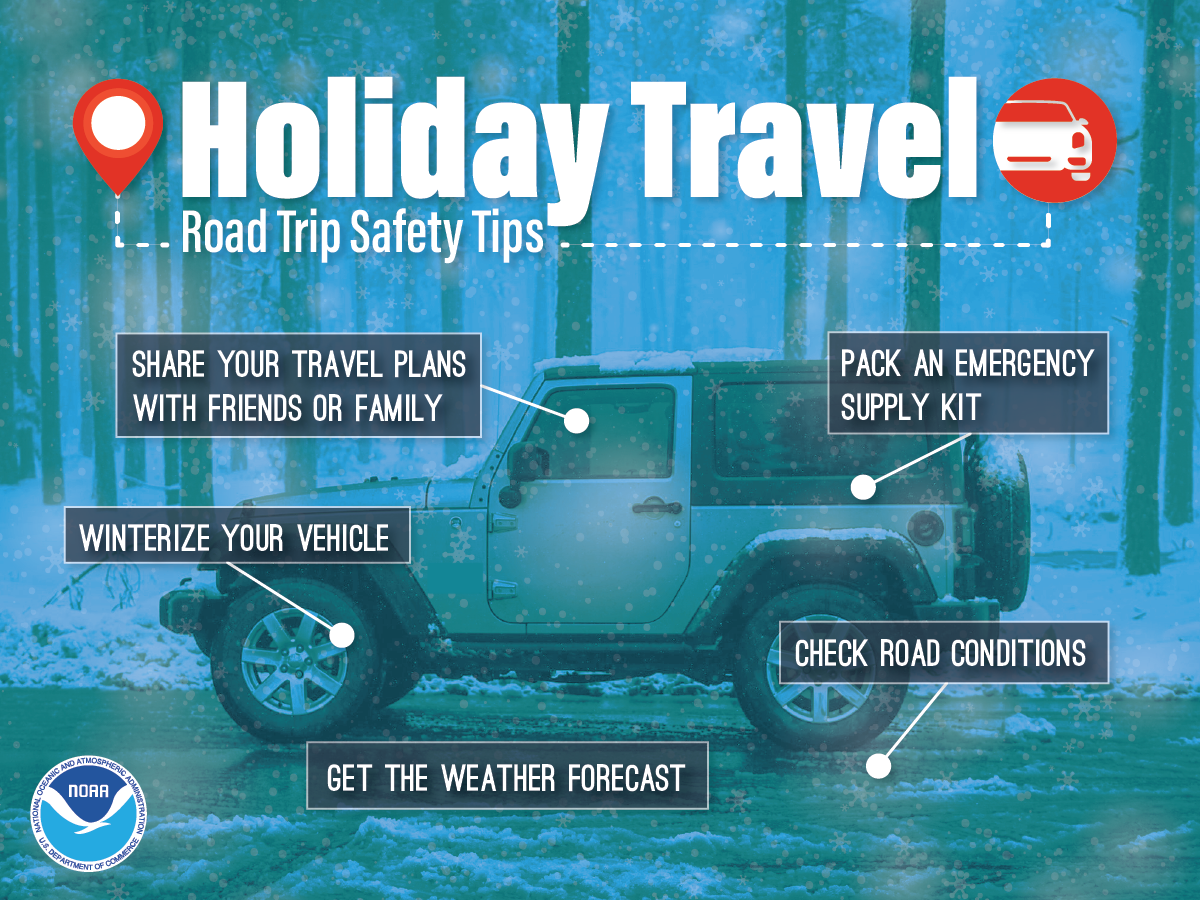
The majesty of cross-country travel often involves confronting nature’s caprices. Sudden storms, unanticipated snow flurries, or heat waves can transform a placid stretch of highway into a menace-filled obstacle course. Understanding the climatic patterns along your route and having contingency plans is indispensable. Weather apps and real-time traffic alerts become your oracle—heeding their warnings can mean the difference between smooth progress and forced detours.
Equipping the vehicle with emergency gear—blankets, water, food provisions, first aid kits, and even traction devices—renders you prepared for environmental surprises. These items transcend mere survival tools—they are embodiments of respect for the land and conditions you traverse.
Technological Savvy: Integrating Tools Without Reliance
There’s an intoxicating convenience in modern technology, but also a danger in overdependence. GPS and smartphone apps provide remarkable guidance, yet the faint hum of digital reliance can lull one into complacency. Carry physical maps, familiarize yourself with general directions beforehand, and know critical waypoints without staring at a screen.
Moreover, technology can fail—batteries drain, signals vanish, devices glitch. This humbling truth demands one keep a mindset grounded in adaptability. Tools should enhance your journey, not dictate it.
Mindful Driving and Road Etiquette
In a fast-paced world, the road often becomes a theater of impatience and aggressive maneuvers. However, the unique intimacy of a long solo road trip encourages a different rhythm—a mindful presence behind the wheel. Observing speed limits, maintaining safe following distances, and anticipating other drivers’ behavior cultivates a harmonious coexistence on the asphalt arteries.
Your solo predicament amplifies the consequences of rash actions. Practicing calm assertiveness reduces risks and enhances the quality of the journey itself. After all, arriving unscathed is the ultimate narrative triumph.
Health Preparedness: Sustaining Vitality on the Move
Physical well-being is the unsung protagonist of every successful trip. Dehydration, hunger, or neglecting ergonomic posture can slowly sap your faculties. Pack nutritious, non-perishable snacks and plenty of water. If undertaking long driving stretches, alternate hand positions, and adjust seating frequently to prevent fatigue and strains.
Keep medical essentials at hand: any prescribed medications, over-the-counter painkillers, allergy remedies, and bandages. Your body is the vessel without which the journey is impossible—attend to it with reverence.
Document Preparedness and Legal Considerations
Traveling across state lines—or even county borders—can come with subtle yet critical legal nuances. Carry your driver’s license, registration, and insurance documents meticulously organized and accessible. In the age of digital copies, keep both physical and electronic versions. Understand the variation in traffic laws and enforcement norms on your route.
This diligence prevents unexpected legal entanglements that could mar the experience or cause avoidable stress. Preparedness here equates to freedom and peace of mind.
Fostering a Contingency Mindset
Even with elaborate preparation, the road humbles the best-laid plans. Developing a contingency mindset—anticipating setbacks, delays, or mechanical troubles—is both pragmatic and empowering. This openness transforms disruptions from frustrations into chapters of your story.
Consider flex time in your itinerary, alternative routes, and local contacts to turn obstacles into opportunities. This attitude nurtures resilience—the backbone of every great solo traveler’s mythos.
Vehicle Security and Theft Prevention
Stopping along unfamiliar stretches can bring a sense of vulnerability. Prioritize vehicle security by parking in well-lit, populated areas. Always lock doors and windows, and avoid leaving valuables in plain sight. Use steering wheel locks or alarms if you have them.
These precautions aren’t paranoia—they are common-sense shields against opportunistic threats. Your vehicle is your sanctuary on wheels; protect it as such.
Emergency Kits: Beyond the Basics
While basic first aid kits are standard, consider augmenting emergency supplies with tools like a multi-tool knife, duct tape, jumper cables, flashlight with extra batteries, fire extinguisher, and reflective triangles or flares. These items transform moments of helplessness into manageable scenarios.
A well-stocked emergency kit is an admission that the road’s romanticism is intertwined with practical realities.
Communication Plans: Staying Connected Intentionally
Informing family or loved ones about your itinerary fosters a safety web. Share check-in times and expected arrival points. This transparency is crucial in solo travel, bridging distances with reassurance.
Using apps that allow live location sharing enhances this safety perimeter, especially in unpredictable environments. Intentional communication balances solitude with connectivity.
Psychological Preparedness: The Road’s Invisible Terrain
The psychological landscape of a cross-country trip is often overlooked yet profoundly impactful. Loneliness, exhilaration, anxiety, and fatigue ebb and flow in tandem with physical milestones. Reframing solitude as a companion, practicing mindfulness, and having strategies to combat emotional lows are vital.
The mental rigor required surpasses mechanics—it defines how the narrative of your trip will be etched in memory. Cultivating this inner steadiness is the quiet art behind every successful road warrior’s journey.