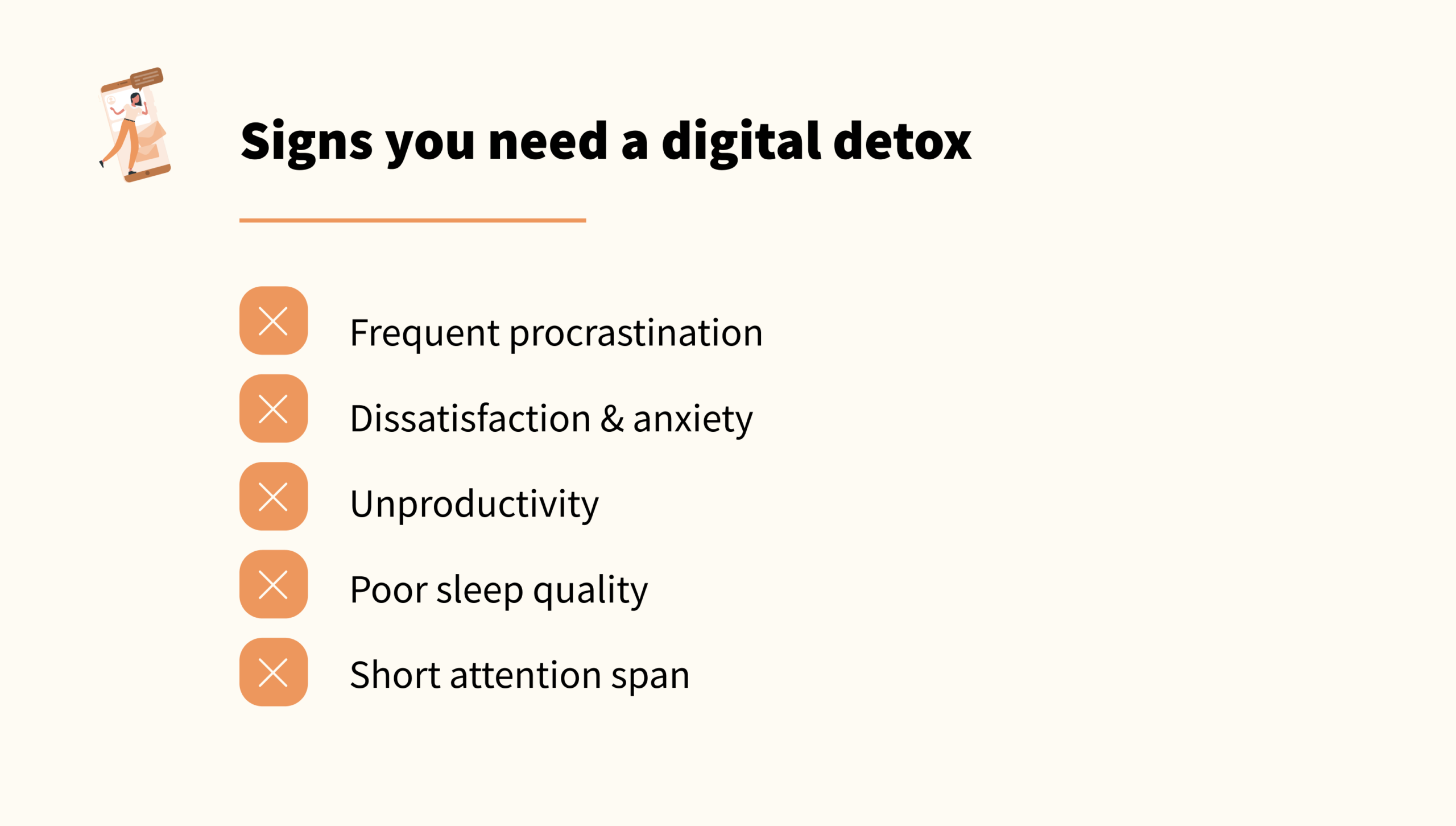
Digital detox vacations promise respite from an incessantly connected world, yet many travelers return feeling distinctly… off balance. This discordance is often attributed to withdrawal symptoms—a paradoxical response to intentional disconnection. In this discourse, we unravel the nuanced mechanisms behind post-detox malaise, exploring physiological, psychological, and environmental contributors.
The Neurophysiological Underpinnings
At the heart of digital detox discomfort lies neurochemical flux. Modern lifestyles cultivate a dopamine-driven reward system, where notifications trigger pleasurable neurotransmitter releases. Abrupt cessation engenders a sudden dearth of these stimuli, precipitating a cascade of withdrawal symptoms reminiscent of substance abstinence: irritability, anxiety, and lethargy.

Moreover, cortisol—a stress hormone—often peeks to elevated levels as the brain recalibrates. This hormonal upheaval manifests physically: tension headaches, disrupted sleep cycles, and a palpable sense of unease.
Social Disconnection and Its Echoes
Beyond neurochemistry, human beings are inherently social creatures. Digital detoxes, by design, sever the tether to virtual communities—friends, work networks, and interest groups that sustain daily interaction. The ensuing silence can be deafening, fostering feelings of isolation despite solitude.

This existential void is compounded by FOMO (Fear Of Missing Out), an insidious anxiety that burgeons in the absence of real-time updates. The mind races with hypothetical scenarios, amplifying restlessness and diminishing perceived enjoyment of offline activities.
Environmental Realignment Challenges
The physical environment plays a pivotal role in detox efficacy. Many retreats aim for serene locales—mountain cabins or beachside villas—to contrast urban clamor. Yet, these idyllic settings may introduce new stressors: unfamiliar terrain, limited sensory stimuli, or an overemphasis on passive leisure.

Additionally, the lack of structured alternatives can leave individuals adrift, unable to replace digital diversions with fulfilling hobbies. Without curated activities—workshops, nature excursions, or creative pursuits—the day may feel trivially consumed by existential pondering.
Cognitive Dissonance and Identity Shifts
Digital identities are multifaceted extensions of self—avatars shaped by likes, shares, and online personas. A detox disrupts these fluid constructs, triggering cognitive dissonance as individuals grapple with a pre-internet sense of self.

This introspective turbulence can surface in unexpected ways: heightened self-consciousness during face-to-face interactions, or a profound questioning of personal values that previously aligned with online echo chambers. The result is an unsettling internal recalibration, demanding patience and self-compassion.
Navigating the Aftermath
To mitigate post-detox malaise, consider a gradual reintegration strategy:
- Staggered Reconnection: Incrementally reintroduce digital tools, prioritizing essential communications over leisure scrolling.
- Sensory Enrichment: Engage in activities that stimulate the senses—handmade crafts, outdoor exploration, or culinary adventures—to offload mental bandwidth.
- Social Anchors: Leverage post-detox periods to strengthen offline relationships, fostering meaningful conversations that validate personal identity.
Embrace this transitional phase as an opportunity for deeper self-awareness. The discomfort, while challenging, is a testament to the profound impact of digital interdependence—a reminder that true well-being emerges from balanced engagement with both virtual and tangible worlds.