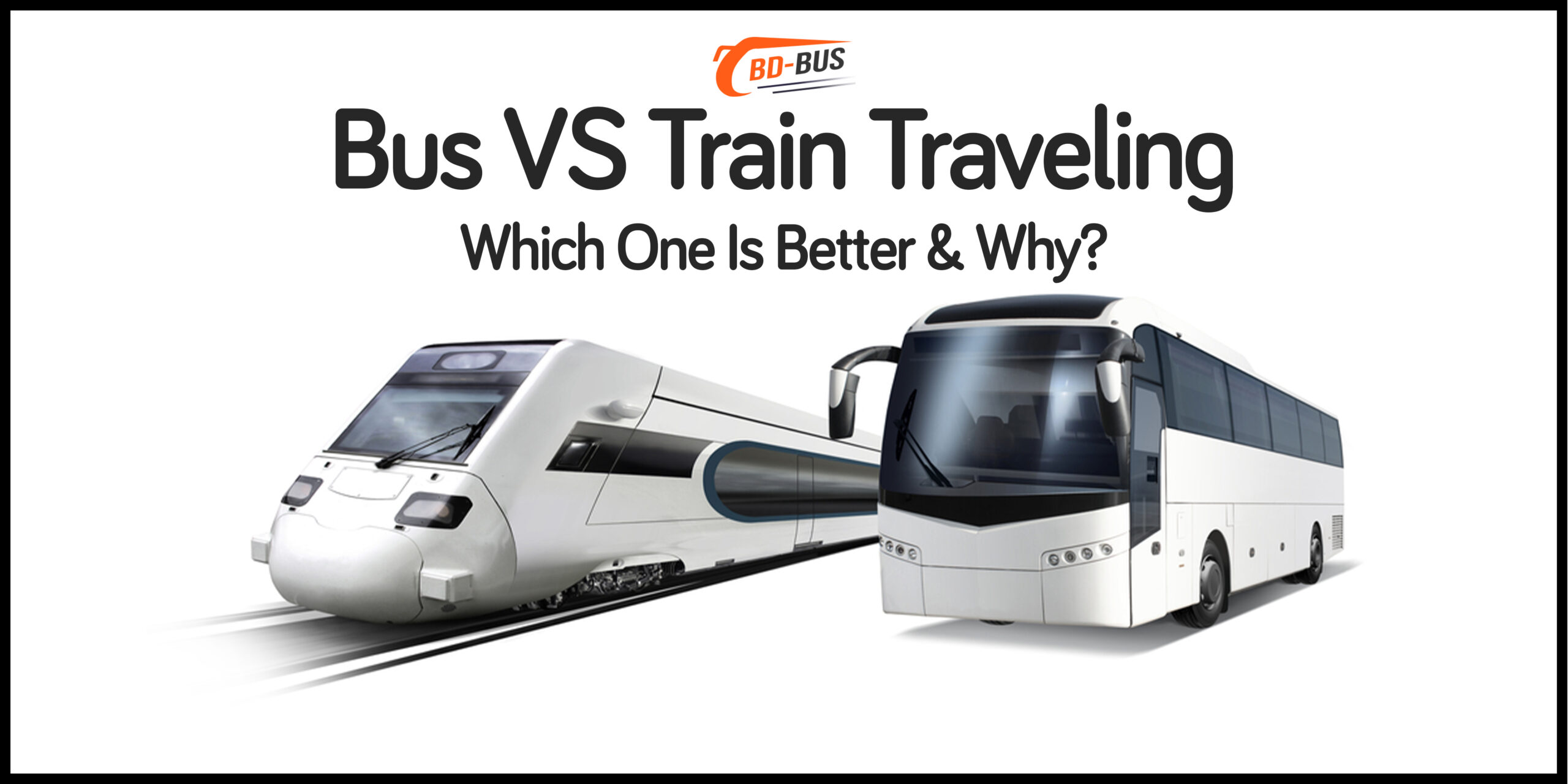
When planning a journey across Europe, the choice between train and bus often hinges on speed. While both modes cover extensive networks, various factors—such as service type, infrastructure, and distance—affect travel times. This guide breaks down the key considerations, allowing travelers to assess which option delivers the quickest connection for their specific itinerary.
1. High‑Speed Rail Networks
Countries like France, Spain, Italy, and Germany operate high‑speed trains (TGV, AVE, Frecciarossa, ICE) that reach 250–320 km/h. On main corridors—Paris‑Lyon, Madrid‑Barcelona, Milan‑Bologna—these services shave hours off comparable bus journeys, often completing trips in half the time.
2. Regional and Intercity Trains
Beyond the flagship high‑speed lines, regional and intercity trains run at 120–200 km/h. While slower than their high‑speed counterparts, they still outpace most long‑distance buses, especially when frequent stops and traffic congestion are factored in.
3. Express Bus Services
Companies such as FlixBus, Eurolines, and BlaBlaBus operate express routes with limited stops, traveling at 80–100 km/h on highways. On short to medium distances—e.g., Brussels‑Amsterdam—buses can rival slower train services, but they rarely match high‑speed rail times.
4. Urban and Suburban Connectivity
In densely populated regions, commuter trains provide rapid connections between city centers and suburbs, often with dedicated tracks that avoid road traffic. Buses sharing congested streets can experience significant delays during peak hours.
5. Night Train vs. Overnight Bus
Night trains, prevalent in Central and Eastern Europe, maintain average speeds of 150 km/h while offering sleeper accommodations. Overnight buses travel slower (80–95 km/h) and are more susceptible to road conditions, making trains the faster and more comfortable night‑travel option.
6. Border Crossings and Customs
Train stations in the Schengen area typically handle border formalities efficiently, sometimes without stops. Bus crossings may involve additional checks at checkpoints, extending travel time, especially on routes that leave the Schengen zone.
7. Infrastructure Quality
Western European rail infrastructure benefits from continuous upgrades, allowing higher speeds and reduced delays. In contrast, some Southern and Eastern European road networks experience variable quality, leading to slower bus journeys and unpredictable travel times.
8. Frequency and Scheduling
High‑speed and intercity trains often run multiple times per hour on popular routes, reducing wait times. Express buses may have fewer departures, and missed connections can add hours to the overall trip.
9. Weather Impact
Severe weather—snow, heavy rain, or fog—affects road travel more profoundly than rail, as highways can become hazardous or closed. Rail lines, particularly those equipped with advanced signaling, maintain operation, preserving faster travel times during adverse conditions.
10. Ticketing and Boarding Efficiency
Train stations usually offer electronic ticketing and streamlined boarding processes, with platforms dedicated to specific services. Bus terminals can involve longer queues for ticket purchase and boarding, especially when multiple operators share the same facility.
11. Distance Thresholds
For journeys under 200 km, high‑speed trains may still dominate speed, but the time saved compared to express buses narrows due to boarding procedures. Beyond 400 km, the speed advantage of rail becomes pronounced, often cutting travel time by 30–40%.
12. Environmental Regulations
European Union policies incentivize rail travel by limiting emissions and providing subsidies for high‑speed lines. While not a direct speed factor, these regulations encourage faster rail development, indirectly ensuring that trains remain the quicker option for many routes.