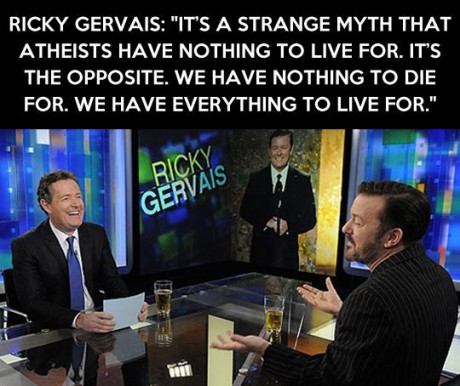
Airline fees have become the modern equivalent of a hidden tax, and the absurdity of them would make even Ricky Gervais raise an eyebrow. Below are a series of pointed rants that cut through the corporate spin, exposing the logic—or lack thereof—behind extra charges. Each observation is designed to shift your perspective, spark curiosity, and perhaps make you think twice before you click “accept” on that $29 bag fee.
1. The Baggage Fee Circus
Paying extra to transport a suitcase that weighs less than your pet hamster feels like a circus act where the clown is your wallet. Airlines claim the fee covers “handling,” yet the same workers load those bags for free on the corporate jet. The real joke is that the cost is tacked onto the passenger, not the airline’s bottom line.
2. Seat Selection: The Illusion of Choice
Choosing a seat now costs more than a decent meal at a decent restaurant. The “premium window” is priced like a beachfront property, while the “standard middle” remains free, effectively rewarding the willingness to pay for a view of the clouds. The airline profits from a psychological trap: you feel you’re exercising freedom when you’re merely paying for a label.
3. Wi‑Fi: The Digital Tax
In a world where connectivity is essential, airlines charge you for the privilege of checking your email at 35,000 feet. The irony is palpable: the same companies that push for “fast, free internet” profit from selling slower, costlier versions to passengers who need to post their vacation photos in real time.
4. The “No‑Refund” Policy as a Sales Pitch
Airlines now market tickets as “non‑refundable” with a smile, suggesting that flexibility is a luxury reserved for the affluent. In reality, this clause is a legal shield for the carrier, allowing them to recoup fees that would otherwise be refunded in a more balanced marketplace.
5. “Early‑Bird” Check‑In: A Timing Ransom
Paying extra to check in before the crowd is a subtle extortion. The airline says you’re saving time, but the real benefit is the airline’s ability to fill seats early, reducing the chance of last‑minute cancellations that would otherwise cost them money.
6. Food and Drink: The In‑Flight Menu Scam
Airlines sell a handful of pretzels for the price of a gourmet dinner. The satire is that “complimentary” meals are only offered on long‑haul flights, while short hops come with a menu that reads like a high‑school vending machine. The profit margin on a single packet of peanuts is astonishing.
7. “Basic Economy”—A Misnomer
The term “basic” suggests simplicity, yet the fare comes with a litany of add‑ons: no seat assignment, no overhead bin space, and a surcharge for anything that resembles a courtesy. The name is a marketing ploy designed to hide the fact that you’re paying for the bare minimum of service.
8. Carbon Offsets: The Greenwashing Rant
Airlines now ask passengers to pay a small fee to “offset” their carbon footprint. While the gesture seems noble, the actual impact is nebulous at best. The real green effort would be reducing fuel consumption, not selling a feel‑good sticker for an extra $2.
9. Ticket Change Fees: The Calendar Gambit
Changing a flight costs more than many people earn in a week. The policy forces travelers to lock into rigid plans, effectively turning flexibility into a premium service. The airline benefits from the anxiety it creates, ensuring that most passengers accept the original itinerary.
10. Loyalty Programs: The Points Hoax
Airlines lure you with points that seem valuable, yet the redemption rates are structured to keep you perpetually short of a free flight. The system rewards frequent flyers who can afford to spend more, turning loyalty into a revenue generator rather than a genuine thank‑you.
11. Airport Lounge Access: The Clubhouse Paradox
Paying extra for a lounge feels like being charged admission to a club you’re already a member of—if you’re a member at all. The exclusive environment is marketed as a benefit, but the cost is essentially an additional fee for the same service you’d receive on the plane, just with cooler chairs.
12. Dynamic Pricing: The Roulette Wheel of Travel
Airline ticket prices fluctuate more wildly than a stock market, yet the rationale is never explained to the consumer. This opaque system encourages travelers to gamble on the “right” time to buy, while the airline capitalizes on the chaos, extracting maximum revenue from uncertainty.