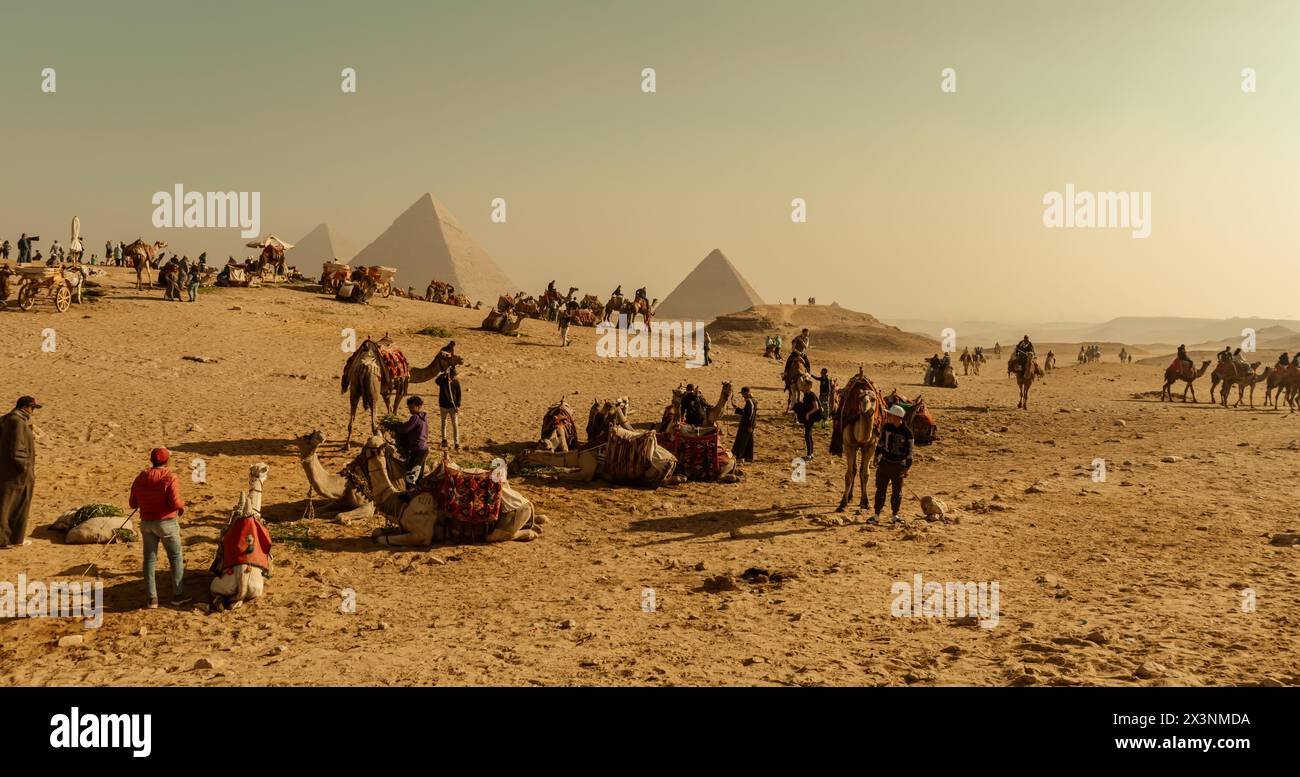
Travel planning has become a scroll‑driven habit, with Instagram Reels offering bite‑sized snapshots of distant locales. While the platform’s glossy videos can inspire, they also risk turning nuanced journeys into a checklist of viral moments. This guide outlines why relying on Reels alone can limit authentic experiences and offers concrete alternatives that broaden perspective, deepen curiosity, and ultimately lead to more fulfilling trips.
1. Reels Prioritize Visual Shock Over Context
Most travel reels focus on dazzling visuals—sunset cliffs, neon streets, or perfectly plated meals—while neglecting the cultural, historical, or logistical background that makes the destination meaningful. By avoiding this surface‑level approach, travelers can uncover the stories behind the scenes and plan activities that resonate beyond Instagram’s “wow” factor.
2. Algorithms Reinforce Homogenized Itineraries
The Instagram algorithm amplifies content with high engagement, often featuring the same popular spots repeatedly. This creates a feedback loop where travelers flock to identical landmarks, overcrowding sites and diluting the uniqueness of their experience. Diversifying sources—local blogs, museum archives, and community forums—breaks this cycle and uncovers lesser‑known gems.
3. Short‑Form Format Skips Practical Details
Reels typically last 15‑60 seconds, leaving no room for essential information such as transportation options, entry fees, or operating hours. Relying on these snippets can lead to missed connections, long wait times, or unexpected expenses. Consulting official tourism websites and up‑to‑date guidebooks ensures logistical preparedness.
4. Curated Aesthetics Mask Seasonal Realities
Many reels are filmed during peak weather conditions, showing crystal‑clear waters or blossoming streets that may be unavailable during your travel dates. Understanding seasonal variations—rainfall, festivals, or tourist flux—helps set realistic expectations and prevents disappointment.
5. Influencer Partnerships Can Skew Authenticity
- Sponsored content often highlights premium experiences that may be out of reach for most travelers.
- These partnerships can prioritize brand exposure over honest recommendations.
Cross‑checking the same location across multiple independent sources balances the promotional bias and reveals more budget‑friendly alternatives.
6. Overreliance Limits Personal Discovery
When a traveler’s itinerary mirrors viral reels, the journey becomes a reenactment rather than an exploration. By stepping away from preset “must‑see” clips and allowing spontaneous detours, you create room for serendipitous encounters—local markets, neighborhood cafés, and unmarked street art—that enrich the travel narrative.
7. Reels Often Exclude Cultural Sensitivity
Popular reels may showcase rituals, religious sites, or private ceremonies without explaining proper etiquette. Ignoring these nuances can unintentionally disrespect local customs. Researching cultural norms from reputable anthropological sources ensures respectful interaction and deeper engagement.
8. Visual Overload Reduces Decision Quality
Rapid consumption of countless reels can lead to decision fatigue, where travelers feel compelled to “do it all” instead of curating a focused itinerary. Applying the principle of “travel triage”—identifying three core experiences that align with personal interests—creates a more manageable and enjoyable plan.
9. Ignoring Local Voices Stifles Community Benefit
Reels rarely feature the perspectives of residents who live and work in the destination. Supporting locally owned businesses, community tours, and neighborhood initiatives not only benefits the economy but also provides authentic insights that cannot be captured in a 30‑second clip.
10. Missing Out on Soundscapes and Smells
Travel is multisensory, yet reels only convey visual snippets. Reading travel memoirs, listening to podcasts, or exploring soundscapes on platforms like Spotify adds auditory depth—street musicians, market chatter, ocean waves—that helps anticipate the full ambiance of a place.
11. Reels Can Perpetuate Stereotypes
By repeatedly showcasing a single narrative—such as “beach paradise” or “urban nightlife”—Reels may reinforce clichéd images that ignore the diversity within a destination. Engaging with scholarly articles, local news outlets, and community blogs widens the narrative and fosters a more nuanced understanding.
12. Better Tools: Interactive Maps and GIS Data
Geographic Information System (GIS) platforms provide layers of data—public transport routes, elevation, population density—that are absent from short videos. Incorporating these tools into trip planning helps visualize travel distances, accessibility, and potential safety concerns with precision.
13. Travel Forums Encourage Question‑Answer Interaction
Sites like Reddit’s r/travel or TripAdvisor forums allow travelers to pose specific questions and receive tailored advice from people who have recently visited the area. This dynamic exchange offers troubleshooting tips—such as avoiding tourist scams or finding Wi‑Fi‑friendly cafés—that reels cannot address.
14. Journaling Captures Personal Reflections
Maintaining a travel journal before, during, and after a trip helps you articulate goals, track expectations, and reflect on experiences. This practice transforms curiosity into purposeful exploration and turns a trip into a narrative you can revisit beyond social media.
15. Curate a “Curiosity Board” Instead of a Reel Wishlist
Collect articles, museum catalogs, local recipes, and historical anecdotes into a digital board (e.g., Pinterest or Notion). This curated repository sparks curiosity about the why behind each destination, encouraging deeper research rather than impulsive, photo‑centric visits.
16. Partner with Local Guides for Tailored Insight
Hiring a certified local guide provides context that reels overlook—political history, culinary evolution, and everyday life. Guides can adapt tours in real time based on your interests, ensuring that the journey remains responsive rather than predetermined by viral clips.
17. Evaluate Sustainability Metrics
Consider environmental impact, carbon footprints, and community welfare when choosing attractions. Tools like the Global Sustainable Tourism Council’s (GSTC) criteria help prioritize locations that adhere to responsible practices, a factor rarely addressed in Instagram reels.
18. Test Travel Apps for Real‑Time Updates
Apps such as Rome2Rio for transportation, Google Maps for crowd levels, and local weather services provide live data that reels cannot incorporate. Integrating these resources into your itinerary ensures flexibility and reduces reliance on static, outdated video content.
19. Build a Timeline That Allows Downtime
Reels often depict non‑stop action, leading travelers to overbook their days. Scheduling intentional pauses—morning coffee at a neighborhood square, a leisurely stroll through a park—creates mental space for observation and spontaneous discovery.
20. Reflect on the Purpose of Travel
Ultimately, the goal of traveling is personal growth, cultural exchange, and memory making. By consciously stepping away from the lure of perfectly edited reels, you align your trip with these core values, fostering experiences that are remembered long after the scroll ends.