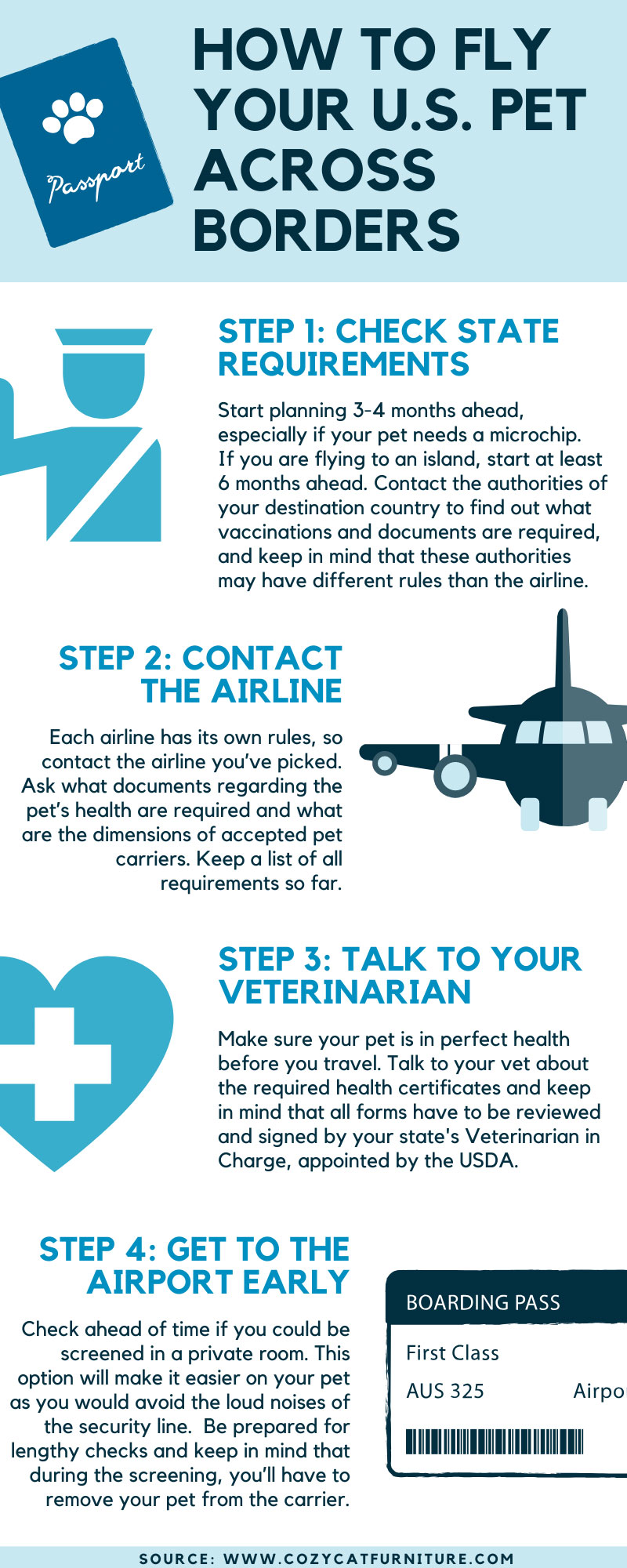
Imagine this: You’ve meticulously planned your dream vacation, your bags are packed, and your itinerary is flawless—except for one tiny, furry detail. Your pet. Will they thrive in the skies, or will the journey turn into a tailspin of stress? Flying with pets isn’t just about booking a ticket; it’s a symphony of preparation, rules, and adaptability. As airlines evolve their policies and 2026 brings fresh regulations, navigating the skies with your four-legged companion requires more than just a leash and a carrier. Whether you’re a seasoned globetrotter or a first-time pet parent, these 12 essential tips will ensure your pet’s flight is as smooth as a first-class upgrade.
1. Decipher the Airline’s Pet Policy: The Fine Print is Your Flight Manual
Not all airlines treat pets equally. Some roll out the red carpet with pet-friendly cabins, while others relegate furry passengers to the cargo hold under strict conditions. Before you even consider booking, dive into the airline’s pet policy like it’s the last slice of pizza at a party. Look for weight limits, breed restrictions (yes, some airlines still have archaic bans), and whether your pet qualifies as a “carry-on” or “checked baggage.” Pro tip: If your pet is a snub-nosed breed (think pugs or bulldogs), double-check their policies—many airlines have temperature restrictions or outright bans due to breathing difficulties. The key? Call the airline directly. Policies change faster than a squirrel chasing a laser pointer.
2. The Carrier Conundrum: Size, Safety, and Comfort Matter
A pet carrier isn’t just a box with air holes—it’s your pet’s temporary sanctuary. The International Air Transport Association (IATA) sets strict guidelines: your pet must be able to stand, turn around, and lie down comfortably. Measure your pet from nose to tail and add a few inches to ensure the carrier meets airline standards. Soft-sided carriers are ideal for cabin travel, while hard-sided ones are better for cargo holds. But here’s the twist: Some airlines require carriers to be lined with absorbent material, while others mandate a “live animal” label. And don’t forget to practice! Let your pet nap in the carrier at home to reduce stress on flight day. A stressed pet means a stressed you—and nobody wants a mid-flight symphony of whines.

3. Health Check: The Vet Visit You Can’t Skip
Your pet’s health isn’t just about vaccinations—it’s about ensuring they’re flight-ready. Schedule a vet visit at least 10 days before your trip to confirm your pet is up-to-date on all shots, including rabies. Some airlines require a health certificate issued within 10 days of travel, so timing is everything. If your pet is on medication, ask your vet about dosage adjustments for stress or altitude changes. For long-haul flights, consider a mild sedative (but always consult your vet first—never experiment with new drugs mid-flight). And here’s a lesser-known tip: Microchip your pet if they aren’t already. In the rare event they escape during transit, a microchip could be their ticket home.
4. The Pre-Flight Fast: Hunger Games for Pets
Feed your pet a light meal 4 hours before departure to prevent nausea, but don’t leave them hungry. A hungry pet is an anxious pet, and anxiety is the enemy of smooth travel. However, skip the treats—too many can lead to an upset stomach mid-flight. Hydration is key, but avoid overwatering right before boarding. Instead, freeze water in their bowl the night before; it’ll melt slowly, giving them access to fresh water without spills. Pro move: Attach a collapsible bowl to their carrier for easy hydration post-security.
5. The Airport Adventure: Navigating Security Without a Meltdown
Airports are a sensory overload—beeping machines, strangers, and the dreaded security line. To minimize stress, arrive early and scope out pet-friendly areas. Most airports have designated relief zones, but call ahead to confirm. When it’s time for security, you’ll need to remove your pet from their carrier (so they don’t get x-rayed) and carry them through the metal detector. Practice this at home with a harness to make it feel routine. And here’s a hack: Use a calming pheromone spray (like Feliway for cats or Adaptil for dogs) on their carrier 30 minutes before entering the airport. It’s like a Zen garden for anxious travelers.
6. Cabin vs. Cargo: The Great Debate
If your pet is small enough to fit under the seat, cabin travel is ideal. You’ll have them close, reducing stress for both of you. But if your pet is larger, cargo might be the only option. Cargo holds are climate-controlled and pressurized, but they’re also noisy and unfamiliar. To ease the transition, line the carrier with a familiar blanket or toy. Some airlines offer “priority” cargo handling for pets, which can reduce wait times. However, if your pet is anxious, cabin travel is always the safer bet—even if it means paying extra.
7. The In-Flight Survival Kit: Pack Like a Pro
Your pet’s in-flight kit should include: a collapsible bowl, a small bag of their regular food, waste bags, a leash, and a comfort item (like a favorite toy or blanket). For anxious pets, consider a thunder shirt or a calming treat. Avoid sedatives unless prescribed—some pets become more agitated when drugged. And don’t forget a copy of your pet’s health certificate and vaccination records. Keep everything in an easy-to-access pouch; you won’t want to dig through your carry-on mid-flight.
8. The Post-Flight Pit Stop: Recovery and Relief
Once you land, your pet’s journey isn’t over. They’ll need time to stretch, hydrate, and relieve themselves. If you’re renting a car, confirm pet-friendly policies in advance. For international trips, check customs regulations—some countries require quarantine or additional paperwork. And here’s a gentle reminder: Pets pick up on your energy. If you’re frazzled, they’ll be frazzled. Take deep breaths, offer reassurance, and let them explore their new surroundings at their own pace.
9. The Breed Factor: Know Your Pet’s Limits
Not all pets are built for flight. Brachycephalic breeds (those with flat faces) struggle with oxygen levels in the cabin and are at higher risk for respiratory distress. Senior pets or those with heart conditions may also face challenges. If your pet falls into this category, consult your vet before booking. Sometimes, the safest option is to leave them with a trusted pet sitter or board them at a reputable facility.

10. The Paperwork Puzzle: Documents You Can’t Afford to Forget
Depending on your destination, you may need an import permit, a USDA-approved health certificate, or proof of rabies vaccination. Some countries require a quarantine period upon arrival. Start gathering documents at least a month before your trip—some take weeks to process. And don’t rely on digital copies alone; print extras and keep them in a waterproof sleeve. Lost paperwork could mean delayed travel or, worse, your pet being denied entry.
11. The Alternative Routes: When Flying Isn’t an Option
If flying feels too daunting, consider alternatives. Pet relocation services specialize in door-to-door transport, handling all the logistics for you. For shorter trips, driving might be simpler—just ensure your pet is secured with a harness or in a crate. Some pets thrive on road trips; others despise them. Know your pet’s personality before committing to a long drive.
12. The Final Checklist: Your Pre-Flight Routine
Before you leave for the airport, run through this checklist:
- Double-check your pet’s carrier meets airline standards.
- Confirm your pet’s health certificate is up-to-date.
- Pack your pet’s survival kit (food, water, waste bags, and comfort items).
- Arrange for a pet sitter or boarding if needed.
- Download a pet travel app (like BringFido) for last-minute tips.
And most importantly—breathe. Flying with pets is a dance of preparation and adaptability. With these 12 tips, you’re not just surviving the journey; you’re ensuring your pet’s adventure is as memorable as yours.