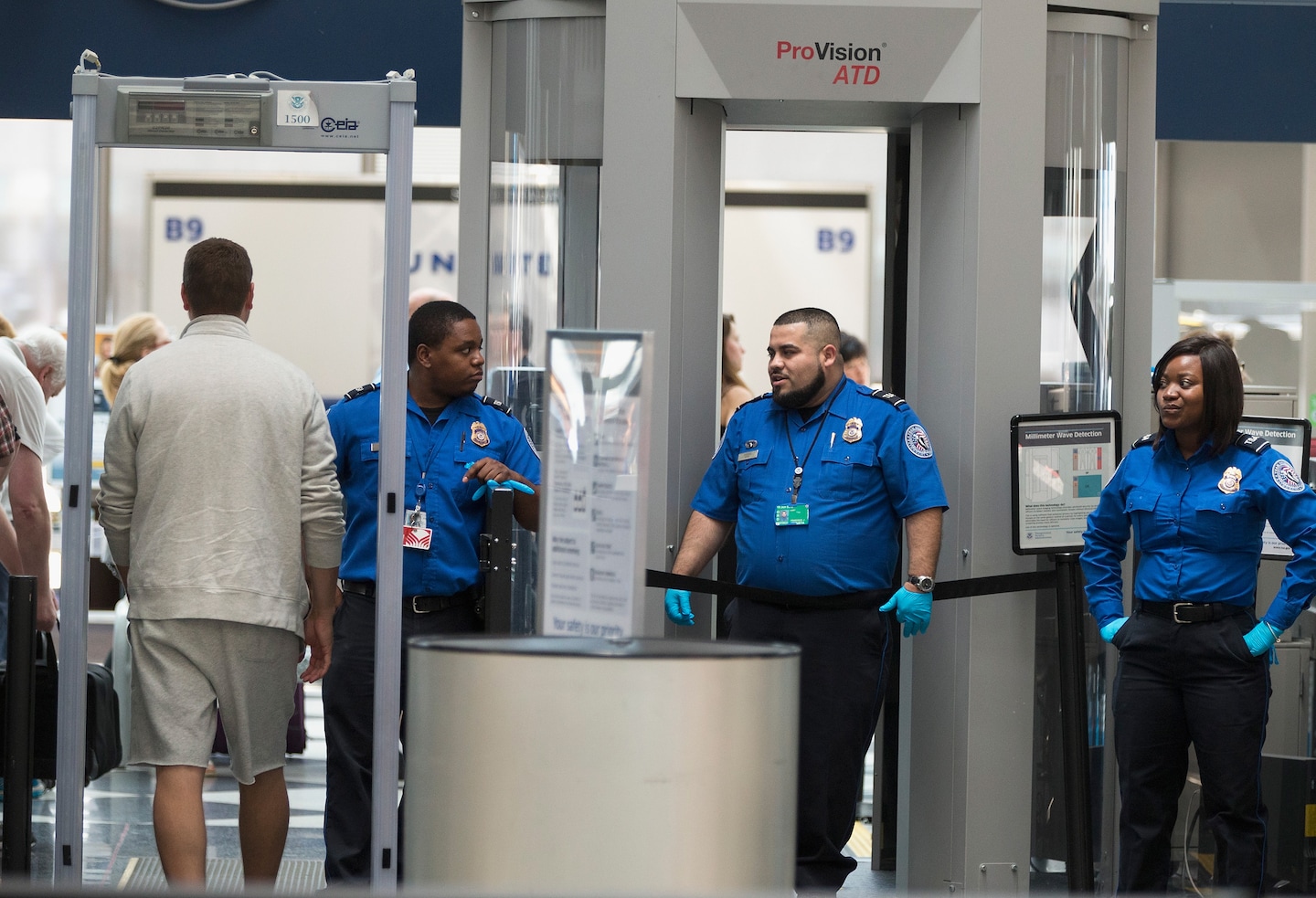
Travelers often treat the security checkpoint like a revolving door that separates the ordinary from the extraordinary. Among the myriad rules, the water bottle protocol stands out as a subtle yet powerful indicator of how the Transportation Security Administration (TSA) balances safety, efficiency, and passenger comfort. Below is a detailed walk‑through of the “Water Bottle Secret,” presented as a series of practical insights that reveal the hidden logic behind the seemingly simple act of sipping or storing liquid on a flight.
1. The Transparent Gatekeeper
The TSA’s first line of defense is the clear plastic bottle, a visual cue that allows officers to assess contents at a glance. Transparency removes the need for x‑ray dissection, letting agents verify the liquid’s nature without opening the container. This simple design choice streamlines the screening process and reduces bottlenecks, especially during peak travel periods.
2. The 3‑Ounce Rule of Thumb
Every traveler is expected to adhere to the 3.4‑ounce (100 ml) limit for carry‑on liquids. This numeric ceiling is not arbitrary; it aligns with international standards for terrorist threat mitigation. By restricting volume, the TSA minimizes the risk of concealing hazardous substances while still allowing passengers to carry essential hydration.
3. The “One‑Bottle” Policy
Only one container per passenger is typically permitted, a rule that serves as a logistical safeguard. Multiple bottles could conceal larger quantities of liquids in disguise, complicating the inspection workflow. Limiting each traveler to a single vessel simplifies the visual scan and reduces the chance of oversight.
4. The “Bag‑In‑Bag” Technique
Security agents frequently employ the bag‑in‑bag method: the water bottle is placed inside a transparent zip‑top bag alongside other liquids. This double‑layer approach ensures that any spill or discrepancy is quickly identified, and it prevents cross‑contamination between items during the x‑ray scan.
5. The “Empty‑Before‑Board” Option
Most airports provide water refill stations past the security checkpoint. Passengers are encouraged to empty their bottles before screening and refill them afterward. This practice eliminates the need for pre‑flight liquid restrictions while maintaining hydration levels for the journey.
6. The “Frozen Substitute” Exception
Ice cubes and frozen water bottles are permitted because they are considered solid until they melt. The TSA treats frozen items as non‑liquid, allowing travelers to bring larger quantities of water in a solid state. Once past security, the ice will liquefy, offering a surplus of hydration without violating the liquid limit.
7. The “Special‑Needs” Exemption
Passengers with medical conditions, infants, or those requiring baby formula can exceed the standard liquid limit. The TSA requires documentation or a verbal declaration, after which officers may allow additional containers. This flexibility underscores the agency’s commitment to passenger health while preserving overall safety protocols.
8. The “Security‑Ready” Bottle Design
Manufacturers now produce TSA‑approved bottles with tamper‑evident caps and standardized sizes that fit neatly into the 3.4‑ounce space. These design innovations reduce the need for additional inspection, as officers can instantly recognize compliant containers without further questioning.
9. The “Rapid‑Scan” Advantage
Clear bottles pass through the x‑ray conveyor faster than opaque or metallic containers, which may trigger secondary inspection. By opting for a transparent vessel, travelers expedite their own processing and help maintain the overall flow of the checkpoint line.
10. The “Psychological Cue” Effect
Seeing a clear bottle signals compliance to both the traveler and the TSA officer. This visual reassurance reduces tension and fosters a cooperative atmosphere, leading to smoother interactions and fewer delays caused by misunderstandings.
11. The “Post‑Screening Rehydration” Strategy
After clearing the checkpoint, passengers can take advantage of airport water dispensers to fill their approved bottles. This practice not only saves money but also reduces plastic waste, aligning personal convenience with environmental responsibility.
12. The “Future Trend: Smart Bottles”
Emerging technology is introducing RFID‑enabled water bottles that communicate directly with security scanners, instantly confirming volume and contents. While still in pilot phases, smart bottles promise to eliminate manual verification altogether, representing the next evolution of the TSA’s liquid management system.