There’s a quiet rebellion in choosing solitude over the cacophony of crowded travel tropes. For the introverted wanderer, the world’s noise isn’t just distracting—it’s exhausting. The thrill of exploration shouldn’t hinge on elbow-to-elbow dining or shoulder-to-shoulder park benches. Instead, it should thrive in the hushed corners where a book can be read without interruption, where a meal can be savored without the clatter of strangers’ conversations bleeding into your thoughts. The best solo travel apps for introverts aren’t just tools; they’re sanctuaries, digital hideaways that whisper, *You are not obligated to endure the chaos.* They transform the act of wandering from a performance into a private ritual, where the only audience is yourself.
The Art of Subtle Discovery: Apps That Speak in Whispers
Introverts don’t just want quiet—they crave the kind of quiet that feels intentional, like a pause in a symphony. Apps like Peaceful Places and Quiet Hours cater to this craving by mapping out serene spots with surgical precision. Peaceful Places doesn’t just list parks; it curates them by acoustics, crowd density, and even the presence of ambient noise like traffic or children. It’s as if the app has eavesdropped on the city’s rhythms and filtered out the discordant notes. Quiet Hours takes this further by syncing with local businesses—cafés, libraries, even co-working spaces—that designate “quiet hours” where the hum of conversation is replaced by the soft clink of cups or the rustle of pages.
What’s fascinating here isn’t just the functionality but the psychology behind it. Introverts aren’t just avoiding noise; they’re seeking environments that validate their need for mental space. These apps don’t just provide addresses—they offer a form of social camouflage, allowing users to blend into the background while still engaging with the world on their own terms.

Culinary Solitude: Where Food Meets Silence
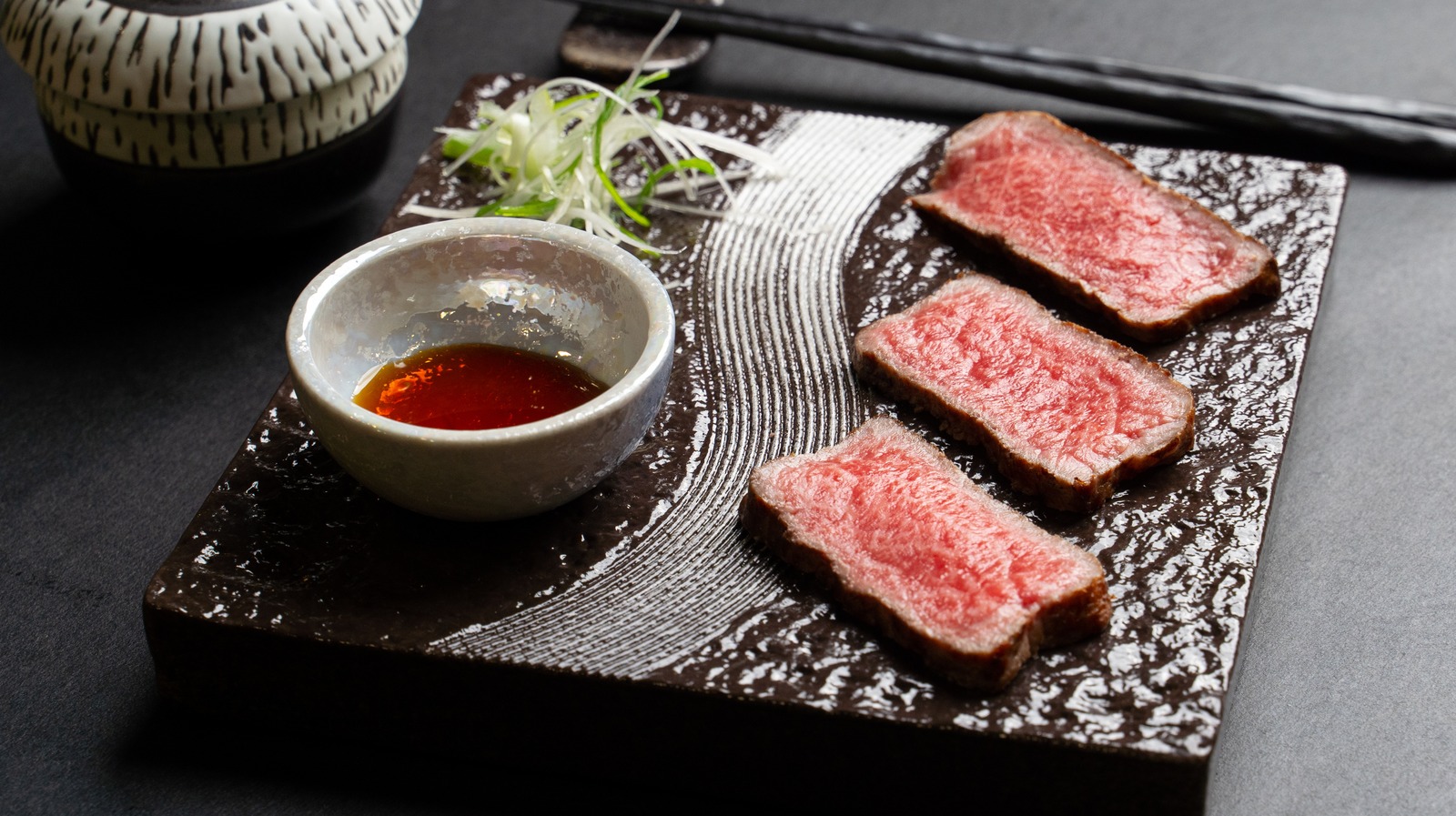
Dining alone is an act of defiance in a culture that equates meals with social obligation. Yet, for introverts, it’s also an opportunity to indulge in the rare luxury of uninterrupted thought. Apps like SoloDining and TableForOne redefine the solo meal as a deliberate choice, not a last resort. SoloDining doesn’t just list restaurants; it filters them by ambiance, from hushed bistros with leather booths to garden terraces where the only soundtrack is birdsong. TableForOne goes deeper, highlighting establishments with “quiet tables”—secluded corners, window seats with a view, or even private dining rooms for those who want to dine without the specter of small talk.
The deeper allure of these apps lies in their ability to reframe solitude as something aspirational. A solo diner isn’t pitiful; they’re a connoisseur of their own company, someone who savors the interplay of flavors without the distraction of performative politeness. These platforms don’t just solve a logistical problem—they validate an entire way of experiencing the world.
The Urban Oasis: Parks as Sanctuaries
Parks are the introvert’s cathedral, but not all pews are created equal. Apps like ParkFinder and GreenSpace dissect public green spaces with the precision of a cartographer charting sacred ground. ParkFinder doesn’t just drop a pin; it categorizes parks by microclimates—shady groves, sunlit meadows, or secluded clearings where the wind carries only the sound of leaves. GreenSpace takes it a step further by crowd-sourcing reviews from introverts themselves, flagging spots where the usual park-goers—joggers, dog walkers, picnickers—are noticeably absent.
What’s intriguing here is how these apps expose the hidden hierarchies of public spaces. Not all parks are equal in their ability to provide solitude. Some are designed for spectacle; others, by accident or intention, become refuges. The introvert’s ideal park isn’t just quiet—it’s invisible, a place where the noise of the city is reduced to a murmur, where the only witnesses to your presence are the squirrels and the occasional stray cat.

Beyond the Algorithm: The Human Touch in Digital Solitude
Technology often gets a bad rap for fostering isolation, but the best solo travel apps for introverts do the opposite—they create a bridge between the digital and the tangible, the solitary and the communal. Apps like Meetup (Quiet Groups) and Couchsurfing (Silent Experiences) offer a paradox: community without obligation. Quiet Groups on Meetup curates events for introverts—book clubs in libraries, silent hikes, or even “quiet cafés” where attendees bring their own books and sit in companionable silence. Couchsurfing’s Silent Experiences take this further by connecting travelers with hosts who understand the value of unspoken understanding, where a shared meal might involve nothing more than a nod and a smile.
The magic of these platforms lies in their ability to normalize solitude without glorifying it. They acknowledge that introverts aren’t antisocial; they’re selective. They don’t crave loneliness; they crave the right kind of togetherness—the kind that doesn’t demand performance, just presence.
The Deeper Currents: Why Quiet Travel Matters
At its core, the introvert’s quest for quiet isn’t about avoiding people—it’s about reclaiming agency. In a world that equates busyness with worth, solitude becomes an act of rebellion. It’s a declaration that one’s time and mental energy are valuable, that the world’s noise doesn’t have to be endured, only curated.
These apps aren’t just tools; they’re manifestos. They suggest that travel doesn’t have to be a performance, that exploration can be a private ritual, and that the best experiences aren’t those shared on social media but those savored in the quiet recesses of one’s own mind. For the introvert, the world isn’t a stage—it’s a library, and every restaurant, park, and café is a book waiting to be read without interruption.
The irony, of course, is that in seeking out these quiet corners, introverts often stumble upon the most profound connections—not with strangers, but with themselves. The real journey isn’t the miles traveled; it’s the stillness discovered along the way.