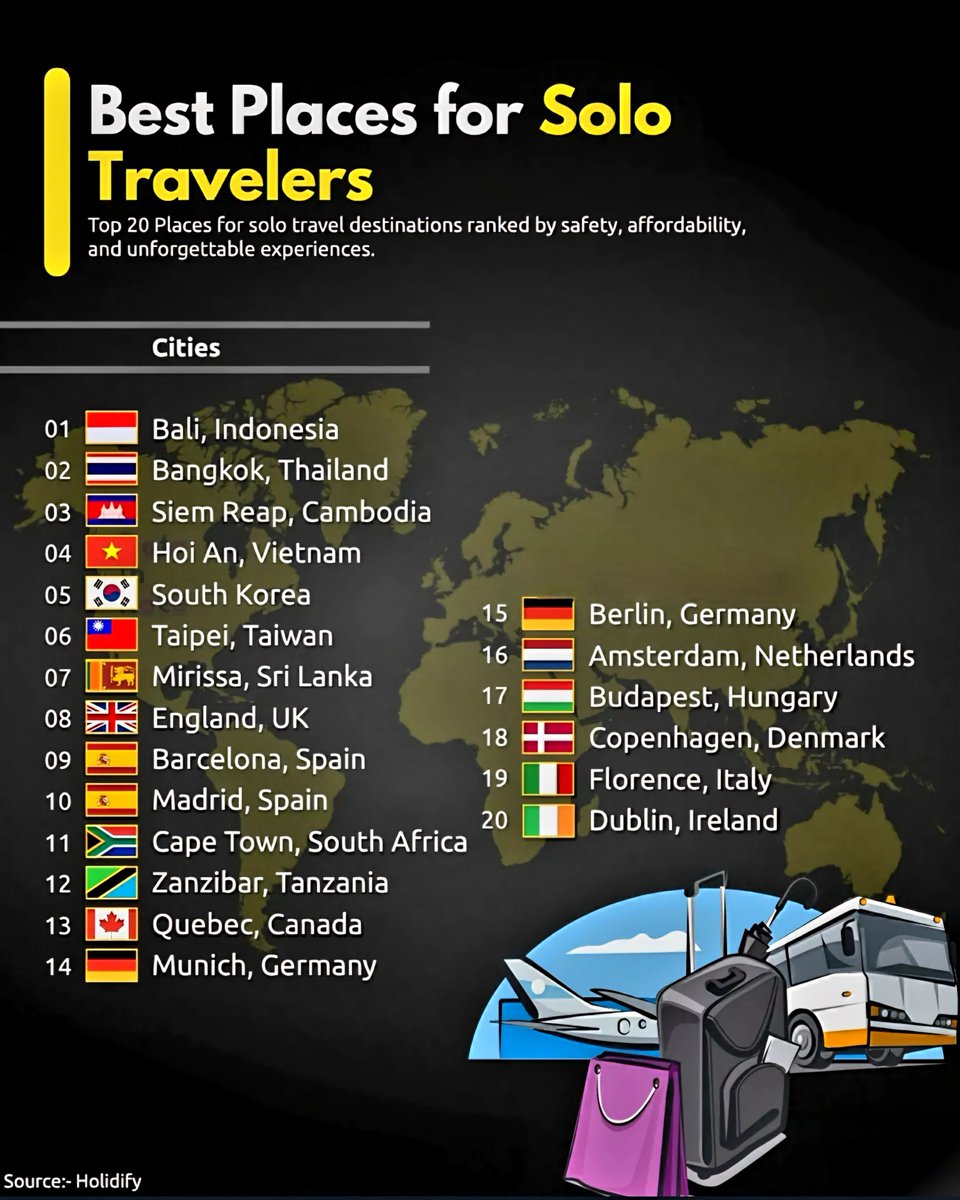
There’s a quiet revolution happening in the pockets of solo travelers worldwide, and it’s not about the destinations they visit—it’s about the invisible lifeline they carry: the local SIM card. In an era where digital nomadism blurs the line between travel and necessity, the cost of staying connected can either liberate or suffocate a journey. Yet, beneath the surface of every airport kiosk and tourist trap lies a labyrinth of cheaper, more ingenious ways to buy a local SIM. The obsession isn’t just about saving money; it’s about reclaiming autonomy in a world where connectivity is currency. Here’s how to hack the system without sacrificing reliability.
The Airport Trap: Why Tourist Zones Are the Silent Budget Killers
Airports are designed to extract, not empower. The moment you step off the plane, the first thing you see isn’t your destination’s skyline—it’s a gauntlet of overpriced SIM cards, each one a tiny monument to corporate greed. The logic is simple: travelers are desperate, disoriented, and willing to pay for convenience. But here’s the truth—airport SIMs are rarely the best deal. They’re wrapped in shiny packaging, sold by smiling agents who speak your language, and priced like a ransom note. The deeper reason for this fascination with airport traps? They prey on the illusion of safety. In an unfamiliar place, the familiar feels comforting. But comfort shouldn’t cost a month’s rent.
Instead, resist the siren call of the airport kiosk. Walk past the fluorescent lights and the eager salespeople. The real bargains lie beyond the terminal, where locals trade in their own currency of connectivity. The first rule of budget solo travel? Never let convenience dictate your wallet.

Local Markets: Where SIM Cards Are Cheaper Than Street Food
If airports are the temples of overcharging, local markets are the black markets of connectivity. Here, SIM cards aren’t just a product—they’re a commodity traded in the same breath as fresh produce and handmade trinkets. The trick is knowing where to look. In many cities, street vendors and small electronics shops offer SIMs at a fraction of the airport price. But how do you find them? Start by asking your accommodation host, a taxi driver, or even a barista. Locals know the hidden lanes of commerce better than any GPS.
In Bangkok, for example, the sprawling Chatuchak Weekend Market isn’t just a shopper’s paradise—it’s a SIM card bazaar. Vendors there sell data plans for a pittance compared to airport prices. The same goes for Istanbul’s Grand Bazaar, where tiny stalls tucked between spice merchants and rug dealers offer prepaid SIMs with surprisingly robust data. The deeper reason for this underground economy of connectivity? It thrives on trust and word-of-mouth. In a world where corporations dominate, these markets are a reminder that real value often lies in the unregulated corners of society.
Online Pre-Orders: The Digital Nomad’s Silent Superpower
Why wait in line when you can outsmart the system before you even land? Online pre-ordering is the stealth weapon of the budget-conscious traveler. Websites like SimOptions, OneSimCard, and even Amazon offer SIM cards for delivery to your hotel, Airbnb, or even the airport pickup desk. The prices are often lower than what you’d find on the ground, and the convenience is unmatched. But the real advantage? You arrive with a working number, ready to navigate maps, translate signs, and order food without the panic of a dead phone.
The deeper reason for the rise of online SIM services? They cater to the modern traveler’s need for instant gratification. In a world where time is money, waiting in a foreign store for a SIM card feels like a relic of the past. But beware—the cheapest online deals aren’t always the best. Some services tack on hidden fees or offer data speeds that crawl like a snail on sedatives. Always read the fine print. The key is to balance cost with reliability, ensuring your digital lifeline doesn’t become a digital albatross.
Local Carrier Stores: The Unsexy but Reliable Option
It’s not glamorous. It’s not Instagram-worthy. But walking into a local carrier’s store—whether it’s Vodafone in Italy, Docomo in Japan, or MTN in South Africa—can save you a fortune. Why? Because these stores exist to serve locals, not tourists. Their prices are transparent, their plans are straightforward, and their customer service, while not always stellar, is at least in your face. The trick is to avoid the tourist-focused branches near major attractions. Instead, seek out the stores in residential neighborhoods or business districts. These are the places where the real deals are struck.
The deeper reason for the effectiveness of local carrier stores? They operate on a different economic logic. Tourist-focused vendors inflate prices because they can. Local stores, however, rely on repeat business. They don’t need to squeeze every last penny from a traveler—they need to keep their regular customers happy. So, swallow your pride, practice your local phrasebook, and step into the unglamorous world of carrier stores. Your wallet will thank you.
eSIMs: The Future Is Here, and It’s Cheaper Than You Think
Forget plastic SIMs. The future is digital, and it’s called eSIM. These tiny, invisible chips are embedded directly into your phone, eliminating the need for physical cards. The best part? They’re often cheaper than traditional SIMs, especially when purchased online. Services like Airalo, Holafly, and GigSky offer eSIM plans for destinations worldwide, with prices that undercut airport kiosks by up to 70%. The catch? Not all phones support eSIMs. If you’re rocking an iPhone XS or later, or a recent Samsung Galaxy, you’re in luck. If not, you might be stuck in the analog world of plastic SIMs.
The deeper reason for the eSIM revolution? It’s a symptom of a larger shift in technology—one where convenience trumps tradition. In a world where we expect instant access to everything, why should connectivity be any different? But the real allure of eSIMs isn’t just their price—it’s their flexibility. You can switch plans on the fly, test different providers, and never worry about losing a tiny plastic card in the abyss of your backpack. The future is here, and it’s cheaper than you think. The only question is: Are you ready to embrace it?
Bulk Buying: The Group Traveler’s Secret (Even If You’re Alone)
You’re a solo traveler. You don’t need a family plan. Or do you? The truth is, many carriers offer bulk discounts—even to individuals. The trick is to ask. In some countries, like India or Indonesia, local SIM vendors are accustomed to selling multiple SIMs at once. If you’re friendly, persistent, and willing to haggle, they might knock off 10-20% just for the sake of the deal. The deeper reason for this hidden economy of bulk buying? It’s a remnant of a time when travelers relied on each other for survival. Today, it’s a loophole that savvy solo travelers exploit to their advantage.
But bulk buying isn’t just about haggling. It’s about leverage. If you’re staying in a hostel or a guesthouse, ask the staff if they can arrange a group discount. Many carriers offer special rates for accommodations with multiple guests. The key is to frame yourself as part of a larger entity—even if you’re technically alone. The world runs on perception, and in the world of SIM cards, perception can be your greatest bargaining chip.