The spring break phenomenon in Miami draws massive crowds of college‑age revelers, creating a distinct seasonal atmosphere that reshapes the city’s nightlife, economy, and public spaces. While the excitement is palpable for those over 21, many younger visitors find the experience overwhelming, prompting a closer look at why the city becomes a magnet for youthful exuberance and how the underlying dynamics extend beyond simple party chatter.
1. Surge in Beach‑Side Party Venues
During the week of March, dozens of beachfront clubs and pop‑up bars extend their operating hours, offering discounted entry and all‑inclusive drinks packages. The influx of party‑seeking crowds fuels a competitive atmosphere among venues, each vying to attract the largest share of the spring‑break demographic.
2. Economic Spike in Hospitality Services
Hotel occupancy rates can exceed 95 % and room prices skyrocket by 150 % compared to off‑season averages. Restaurants, food trucks, and street vendors experience a corresponding surge in sales, often staffing up with temporary employees to meet demand.
3. Amplified Social Media Presence
Instagram stories, TikTok reels, and Snapchat snapshots flood the platform with images of neon lights, themed parties, and crowded pools. This visual overload creates a feedback loop, enticing more students to attend in hopes of capturing the perfect “spring break” moment.
4. Elevated Law Enforcement Activity
Police departments allocate additional officers to popular hotspots, implementing temporary curfews and conducting sobriety checkpoints. The heightened presence aims to curb underage drinking, public disturbances, and property damage that frequently accompany large gatherings.
5. Shifting Demographic Patterns
While the primary audience comprises 18‑ to 23‑year‑olds, an emerging trend shows younger high‑schoolers attempting to blend in. This intermingling raises concerns among parents and local officials about age‑appropriate safety measures.
6. Influence of University Marketing Campaigns
College trip organizers partner with travel agencies and local businesses, offering “all‑inclusive” packages that bundle airfare, lodging, and party passes. These bundles simplify logistics, making Miami the default destination for many spring‑break itineraries.
7. Strain on Public Transportation
Bus routes and ride‑share services experience a 70 % increase in demand, leading to longer wait times and overcrowded vehicles. The city often deploys additional shuttle buses to major beach corridors to alleviate congestion.
8. Environmental Impact on Coastal Areas
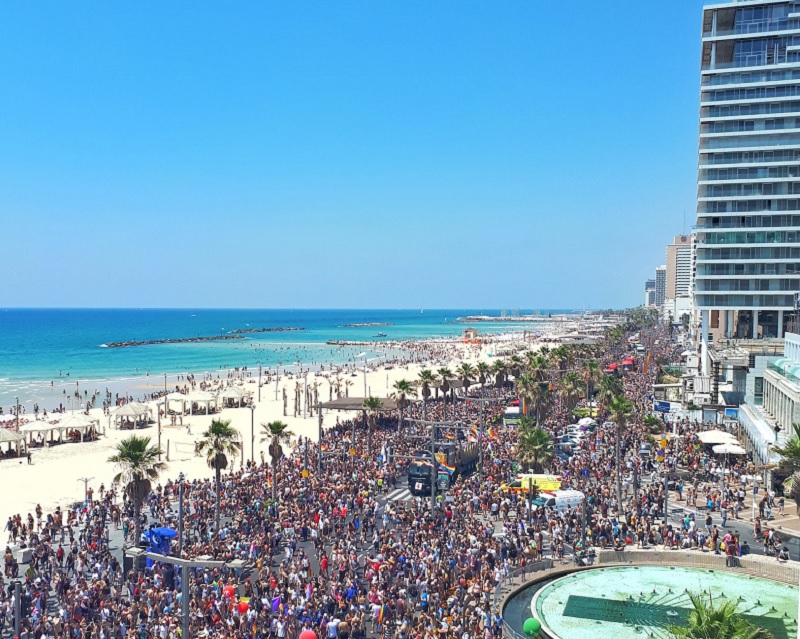
The sudden influx of tens of thousands of sunbathers results in increased litter, sand erosion, and stress on marine life. Cleanup crews work overtime, and local NGOs launch awareness campaigns to mitigate long‑term damage.
9. Rise of Themed Events and Competitions
Organizers stage “foam parties,” “neon nights,” and beach volleyball tournaments, each with sponsorships from beverage brands and clothing retailers. These events reinforce the perception of Miami as the ultimate spring‑break playground.
10. Cultural Exchange and Global Appeal
International students from Europe, Latin America, and Asia join the festivities, adding multilingual chants, diverse fashion trends, and exotic culinary stalls. This global mix enriches the experience but also amplifies logistical challenges for city services.
11. Psychological Drivers Behind the Frenzy
Research indicates that the temporary suspension of routine and the collective “let‑loose” mindset satisfy a developmental need for novelty and social bonding among young adults. The thrill of anonymity in a crowded environment fuels risk‑taking behaviors, which in turn perpetuate the cycle of repeat visits.
12. Long‑Term Reputation Effects
Miami’s identity as a spring‑break hub influences tourism marketing for years to come, shaping perceptions among prospective visitors. While the economic benefits are tangible, the city must balance branding with sustainable community development to avoid alienating year‑round residents.
13. Safety Concerns for Under‑21 Visitors
Because many venues enforce a strict 21‑plus policy for alcohol service, younger participants often encounter limited options for nightlife, leading some to seek unregulated gatherings. This can increase exposure to unsafe environments, prompting advisories from campus health services.
14. Impact on Local Businesses Not Targeted at Tourists
Long‑standing eateries, boutique shops, and service providers that rely on regular clientele may see a dip in sales as the city’s focus pivots to catering to the spring‑break crowd. Some adapt by offering special promotions, while others temporarily close to avoid the chaos.
15. Community Response and Advocacy
Neighborhood associations organize town‑hall meetings to discuss noise ordinances, public safety, and mitigation strategies. Advocacy groups also push for responsible drinking campaigns and alternative entertainment options that cater to a broader age range.