As the world’s borders flex and new corridors of culture swing open, 2025 promises a fresh lineup of destinations that are stepping out of the shadows and onto the travel map. Think of these places as unopened chapters in a sprawling novel, each inviting explorers to turn the page and discover a story that’s never been told before. Below is a curated list of the most compelling locations that will welcome visitors next year, complete with the unique attractions that set them apart.
1. Neom, Saudi Arabia
Rising from the desert like a futuristic oasis, Neom is poised to become a self‑sustaining megacity that merges cutting‑edge technology with pristine natural landscapes. Travelers can expect an ultra‑modern transportation network, artificial islands designed for marine research, and a climate‑controlled resort that offers desert dunes by day and crystal‑clear waters by night. The city’s “Living Lab” concept invites tourists to experience real‑time sustainability experiments, from solar farms to autonomous desert tours.
2. Al‑Ula, Saudi Arabia (Expanded Tourism Zone)
The sandstone canyons of Al‑Ula have already earned a reputation as the “Petra of the Arabian Peninsula.” In 2025, the Saudi government will open a newly expanded visitor zone that includes restored Nabatean tombs, night‑time sound‑and‑light shows, and a luxury desert‑glamping network. The area also introduces guided archaeological walks led by local historians, allowing guests to trace the footsteps of ancient caravans while savoring farm‑to‑table meals sourced from nearby oasis farms.
3. The Red Sea Project, Saudi Arabia
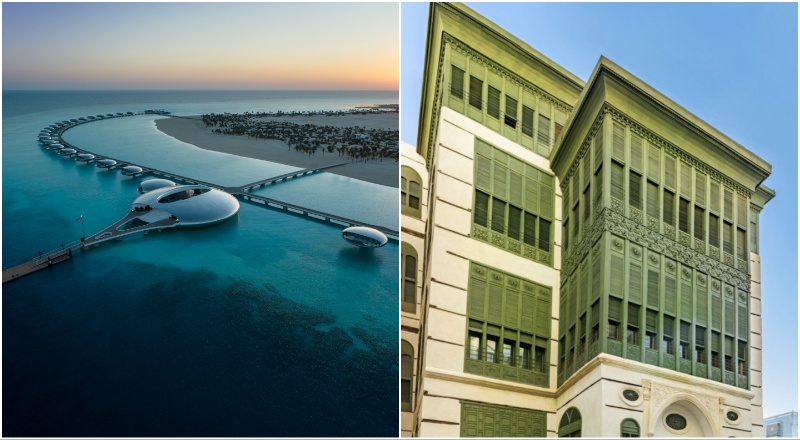
Imagine an archipelago where each island is a self‑contained eco‑retreat, perched on the edge of turquoise waters. The Red Sea Project will officially open its first resorts in 2025, offering pristine coral‑reef diving, solar‑powered overwater villas, and marine‑conservation workshops led by marine biologists. The project’s emphasis on zero‑waste tourism makes it a prime destination for environmentally conscious travelers seeking luxury without compromise.
4. Jeddah’s Historic Al‑Balad District Revitalization
Al‑Balad, a UNESCO World Heritage site, is undergoing a meticulous restoration that will let visitors walk through centuries‑old souks, restored coral‑stone houses, and newly opened art galleries showcasing contemporary Saudi artists. The district’s revitalization includes a series of cultural festivals—music, poetry, and culinary events—that transform the old town into a vibrant living museum.
5. Riyadh’s King Abdulaziz Historical Center Expansion
The capital’s new cultural hub expands beyond its current museum walls to include interactive exhibits on Saudi Arabia’s rapid modernization, a rooftop garden with panoramic city views, and a state‑of‑the‑art performing arts theater. Visitors can attend live performances that blend traditional Arabic music with modern choreography, offering a glimpse into the nation’s evolving identity.
6. Asir National Park, Saudi Arabia (Eco‑Tourism Gateway)
Located in the southwestern highlands, Asir National Park will open a new eco‑tourism gateway featuring guided treks through cloud‑covered forests, waterfalls, and terraced farms. The park’s visitor center will provide multilingual educational displays on the region’s biodiversity, while local Bedouin families host cultural exchange experiences, teaching traditional crafts and storytelling.
7. Dhofar, Oman (New Luxury Resort Development)
While not Saudi, the neighboring Sultanate of Oman will debut a luxury resort along the monsoon‑kissed coast of Dhofar. The property emphasizes architecture that mimics the region’s limestone cliffs, complete with private beach pavilions, desert‑star gazing decks, and a spice‑infused culinary program that celebrates Omani heritage.
8. Al‑Madinah’s Old City Light Festival
In 2025, Al‑Madinah will host its inaugural ‘Lights of the Prophet’ festival, illuminating the historic streets with intricate lantern installations that depict key moments from Islamic history. The event includes free guided tours, calligraphy workshops, and nightly performances by regional musicians, creating an immersive cultural experience for both pilgrims and tourists.
9. Saudi Arabia’s First Space Tourism Facility (Jeddah Spaceport)
Jeddah will become the launchpad for civilian suborbital flights, offering a brief yet exhilarating glimpse of Earth from above. The spaceport’s visitor center will feature virtual reality simulations, astronaut training modules, and a museum chronicling the Kingdom’s contributions to aerospace. Even if you don’t travel to space, the surrounding entertainment complex provides an otherworldly ambiance with celestial-themed dining and starlight rooftop lounges.
10. The Hajj Bridge Project, Mecca
To ease pilgrim congestion, Saudi authorities will unveil a state‑of‑the‑art pedestrian bridge that spans the sacred Masjid al‑Harām. Designed with intricate Arabic calligraphy and LED lighting that changes with prayer times, the bridge offers a safe, elevated walkway, allowing pilgrims to experience the holy site from a new perspective while reducing crowd density.
11. Tabuk’s Ancient Rock Art Trail
Tabuk’s desert hides a treasure trove of prehistoric rock engravings. In 2025, a guided trail will open, complete with interpretive signage and a mobile app that superimposes animated reconstructions of the ancient scenes. Visitors can engage in hands‑on workshops that teach rock‑carving techniques, fostering a deeper appreciation for the region’s ancient artisans.
12. The Arabian Gulf Cruise Expansion (Riyadh to Bahrain)
New cruise itineraries will link Riyadh’s inland ports with Bahrain’s historic islands, offering a maritime corridor that showcases Gulf architecture, culinary delights, and seaside festivals. Onboard, guests can attend themed lectures on Gulf trade history, sample regional delicacies prepared by celebrity chefs, and partake in wellness sessions that blend traditional hammam rituals with modern spa treatments.