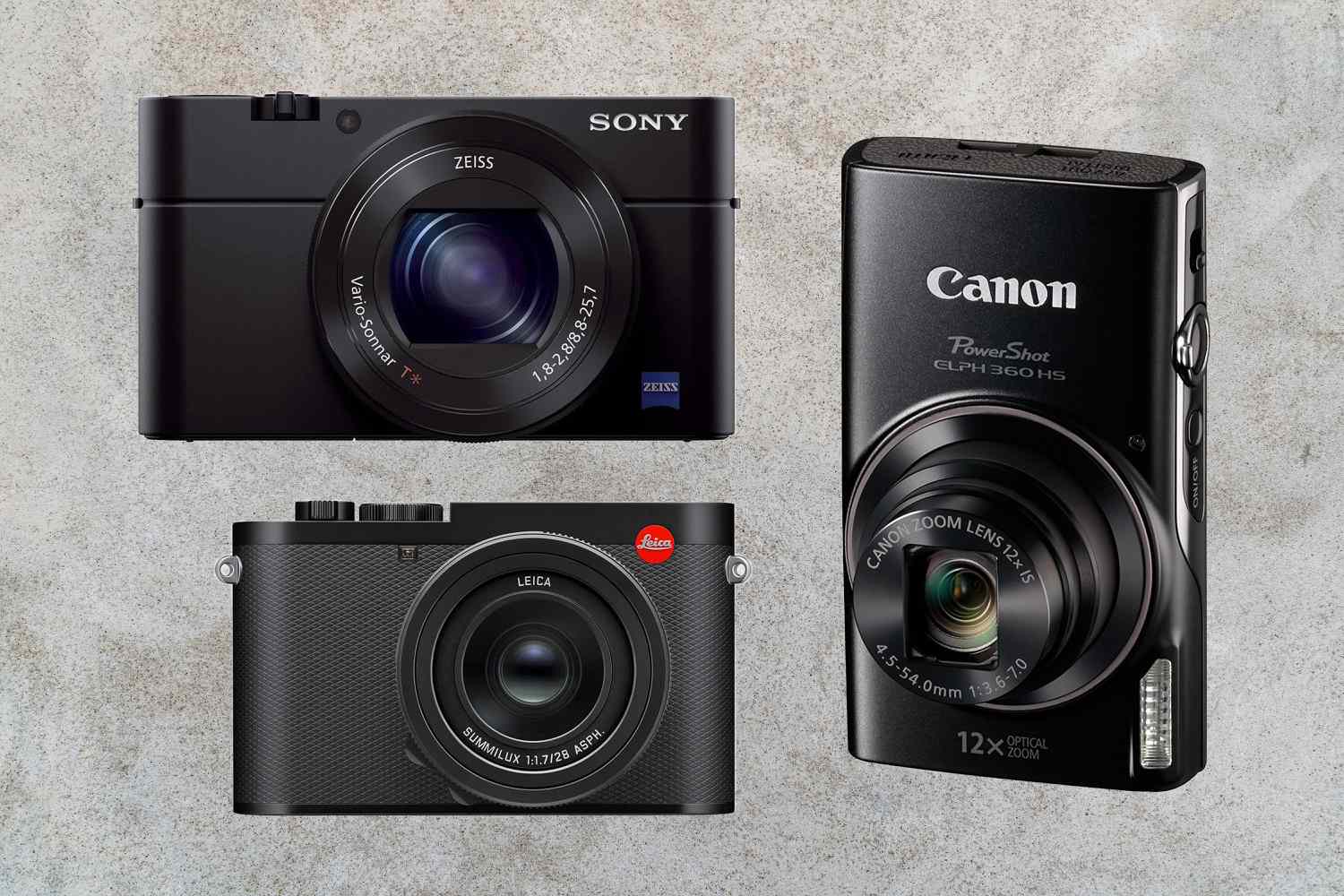
Smartphone cameras have become ubiquitous, and many users wonder whether a dedicated camera still holds value. While the iPhone offers impressive convenience and technological advances, there are nuanced factors that influence the decision to invest in a real camera. Below are key considerations that help clarify when a standalone camera is warranted and why the fascination with traditional photography persists.
1. Sensor Size and Light Sensitivity
Dedicated cameras typically feature larger sensors than smartphones, allowing them to capture more light and produce cleaner images in low‑light conditions. A larger sensor reduces noise and enhances dynamic range, which is crucial for professional work or artistic pursuits that demand high image fidelity.
2. Lens Interchangeability
Interchangeable‑lens cameras give photographers the flexibility to choose optics tailored to specific subjects—wide‑angle lenses for landscapes, telephoto lenses for wildlife, and macro lenses for close‑up details. An iPhone’s fixed lens system, even with digital zoom, cannot replicate the optical quality and creative versatility of genuine glass.
3. Manual Control and Customization
While iPhones offer intuitive touch controls and computational photography, they still abstract many settings. Real cameras provide full manual control over aperture, shutter speed, ISO, and focus, empowering users to engineer exposure precisely and develop a deeper understanding of photographic principles.
4. Image File Formats and Post‑Processing
Professional cameras can capture RAW files that preserve the entire sensor data, offering greater latitude for color grading, exposure correction, and noise reduction in post‑production. iPhone RAW capabilities exist but are limited by sensor size and often require additional apps to manage the workflow.
5. Ergonomics and Handling
The physical design of a camera—grip, button placement, and viewfinder—facilitates stability and quick adjustments, especially in fast‑moving scenarios. Holding a phone for extended shooting can lead to fatigue and increased shake, affecting image sharpness.
6. Viewfinder Advantage
Optical and electronic viewfinders let photographers compose shots with minimal glare and without the distraction of a screen. This separation of frame and preview helps maintain focus on the subject and provides a more immersive shooting experience.
7. Durability and Weather Sealing
High‑end cameras often feature robust construction and seals against dust, moisture, and extreme temperatures, enabling reliable performance in harsh environments. Smartphones, though increasingly rugged, remain vulnerable to water damage and accidental drops.
8. Battery Life for Extended Sessions
Shooting with a dedicated camera typically consumes less power per image compared to a smartphone, which must also power a display, network connections, and background processes. Photographers who spend hours in the field benefit from longer battery endurance and the option to carry spare batteries.
9. Professional Perception and Market Expectations
Clients, publishers, and galleries often associate high‑quality equipment with credibility. Using a real camera can influence perceived professionalism, affect hiring decisions, and meet industry standards that specify particular sensor sizes or lens types.
10. Creative Discipline and Learning Curve
The deliberate nature of handling a camera encourages mindfulness about composition, lighting, and exposure. This disciplined approach fosters skill development, whereas the instant gratification of smartphone photography can promote a more casual, less technically informed practice.
11. Special Features Not Replicated by Phones
Features such as high‑speed continuous shooting, advanced autofocus tracking, and built‑in neutral density or polarizing filters are still better executed on dedicated cameras. These tools are essential for sports, wildlife, and landscape photography where precision matters.
12. Longevity and Future‑Proofing
Camera bodies and lenses often outlive smartphone generations, which become obsolete after a few years due to rapid hardware turnover. Investing in a camera system can provide a lasting platform that can be upgraded incrementally without replacing the entire setup.
13. Cultural and Artistic Significance
The ritual of loading film, selecting lenses, and developing prints carries historic and emotional weight that resonates with many creators. This connection to photographic heritage fuels a fascination that transcends pure technical advantage, reinforcing the camera’s role as an artistic instrument.
14. Network Independence
Professional shoots frequently occur in locations without reliable cellular service. A camera operates independently of data connections, ensuring that photographers can capture high‑resolution images without reliance on cloud sync or streaming capabilities.
15. Cost-Benefit Analysis for Specific Use Cases
For casual snapshots, travel blogging, or social media content, an iPhone may provide sufficient quality while minimizing expense and bulk. However, for commercial assignments, fine art projects, or scenarios demanding top‑tier image resolution, the added investment in a real camera yields measurable returns.