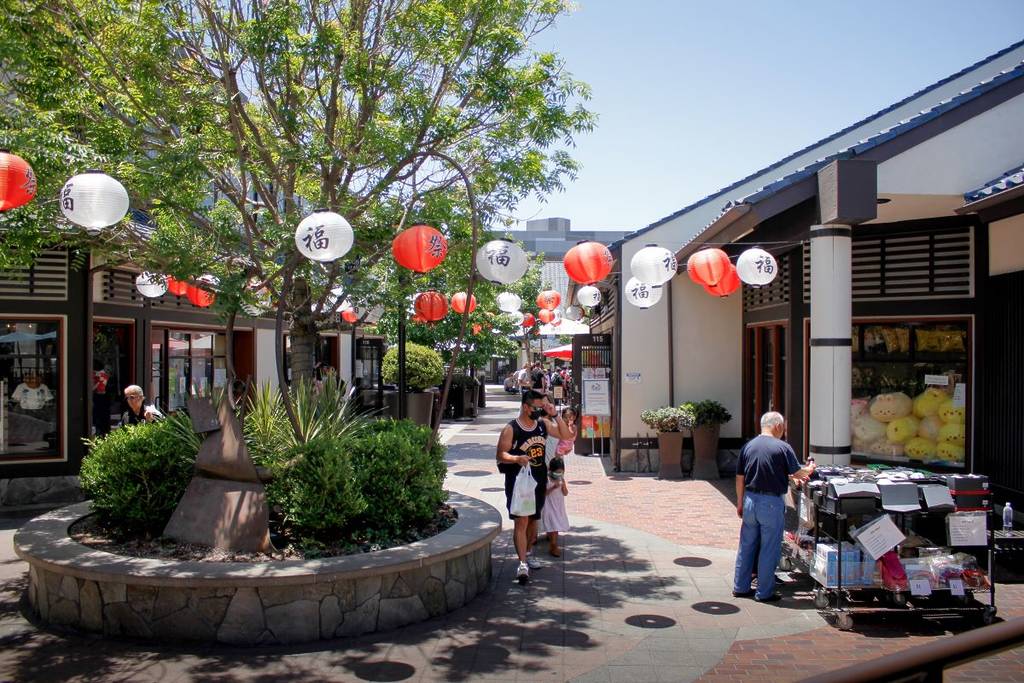
Los Angeles’ Little Tokyo may be the city’s most compact cultural enclave, yet it holds a depth that feels like a secret garden tucked behind a bustling freeway. Like a quiet ink wash painting hidden in a gallery of neon signs, this neighborhood invites explorers to discover layers of history, cuisine, and community that remain largely untouched by the mainstream tourist trail.
1. The Whispering Gate of the Japanese American National Museum
Entering the museum is akin to stepping through a silent kimono sleeve, where each exhibit unfurls stories of resilience and adaptation. The permanent collection showcases artifacts that trace the journey from early immigration to post‑World War II internment, offering visitors a palpable sense of the neighborhood’s foundational narrative.
2. The Bonsai Garden at the Japanese American Cultural & Community Center
Within the modest courtyard, a bonsai garden thrives like a miniature forest, each tree meticulously sculpted to reflect patience and precision. The space serves as a living meditation room, inviting passersby to pause and contemplate the interplay of nature and urban life.
3. Noodle Alley on Douglas Street
Douglas Street stretches like a culinary runway, lined with ramen shops and udon houses that compete in both flavor and authenticity. The steam rising from each bowl resembles a soft veil, masking the street’s quiet vibrancy beneath a fragrant, comforting haze.
4. The Hidden Tea House at the Miyako Shopping Center
Inside a discreet storefront, a traditional tea house offers matcha ceremonies that feel like time‑traveling sips of history. The ritual is performed with the precision of a tea master, each whisked froth a subtle reminder of the meticulous care embedded in Japanese culture.
5. The Neon Orchard of Little Tokyo’s Street Art
Murals and neon signs pepper the district, forming an electric orchard where colors bloom against concrete. Artists blend contemporary graffiti with classic Japanese motifs, creating a visual dialogue that bridges past and present without uttering a single word.
6. The Book Nook at Little Tokyo Branch Library
Beyond its façade, the library houses a curated Japanese language section, a quiet alcove where literature rests like delicate origami. Readers can leaf through translated haikus or samurai epics, each page turning like a gentle wind across a paper crane.
7. The Secret Sushi Counter at Kura Revolving Sushi Bar
Hidden behind a sliding door, this counter serves sushi that moves like a river’s current—fluid, ever‑changing, and expertly delivered. The chefs operate with the silent coordination of a tea ceremony, turning each plate into a fleeting masterpiece.
8. The Lantern-lit Pathway of the Japanese Garden
Mid‑week evenings reveal a path illuminated by lanterns, casting soft amber glows that guide visitors like fireflies through a night‑time maze. The garden’s koi pond mirrors the lights, creating a double‑layered reflection that feels almost meditative.
9. The Cultural Festivities of Nisei Week
Annual celebrations burst forth like fireworks of tradition, featuring parades, taiko drumming, and kimono displays. Each event acts as a living tapestry, stitching together generations of Japanese‑American experiences into a vibrant public showcase.
10. The Artisan Workshops at Little Tokyo Artisan Center
Workshops ranging from calligraphy to pottery offer hands‑on experiences that are as instructive as they are immersive. Participants shape clay and ink alike, creating tangible connections to the craftsmanship that defines the community.
11. The Subtle Aroma of Sake at HiroNori Craft Sake Bar
Nested behind a modest façade, this bar serves sake that whispers of rice fields and mountain springs. The tasting menu guides patrons through flavor profiles that evolve like a symphony—soft introductions followed by resonant, lingering notes.
12. The Quiet Reflection at the Little Tokyo Plaza Fountain
At the plaza’s heart, a fountain arcs water in graceful loops, resembling a calligrapher’s brushstroke. Visitors often linger, watching the water cascade as a metaphor for the constant flow of cultures, histories, and stories that converge within this compact district.