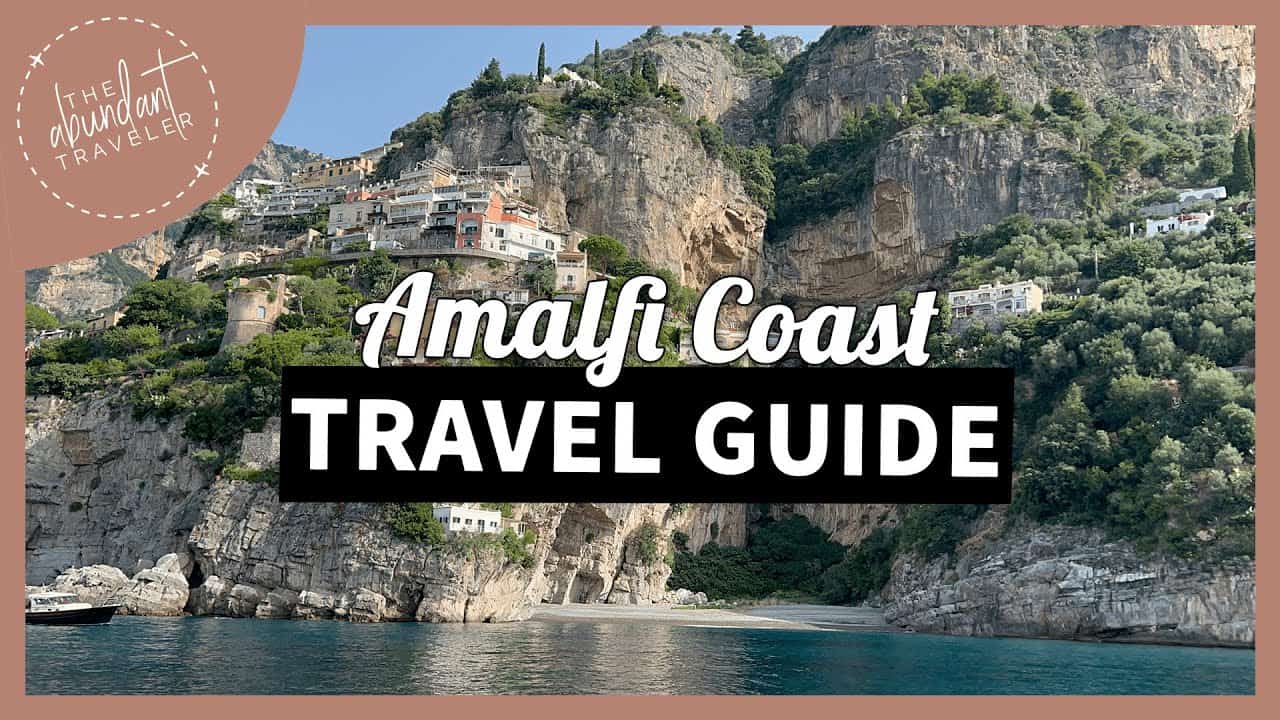
The Amalfi Coast is often portrayed as a playground for the affluent, its cliff‑side villages and turquoise waters appearing beyond the reach of budget travelers. Yet the allure of pastel‑colored towns, lemon‑scented breezes, and historic pathways endures because the region offers an authentic slice of Italian life that transcends price tags. By planning strategically, you can experience this iconic stretch of coastline without exhausting your wallet, keeping expenses under €100 per day.
1. Choose Hostels or Guesthouses Over Hotels
Hostels in Sorrento, Positano, and Amalfi regularly offer dormitory beds for €15‑€25 per night. Private rooms in family‑run guesthouses can be secured for around €35, especially during the shoulder season. These accommodations provide basic comforts, free Wi‑Fi, and often a communal kitchen, allowing you to save on meals while still being centrally located for exploring the coast.
2. Travel During the Off‑Season
Visiting between October and early December—or March to May—means lower accommodation rates, reduced ferry prices, and fewer crowds. The weather remains mild, and the dramatic scenery is just as striking, granting you the same photographic opportunities without the premium price of peak summer months.
3. Use Regional Buses Instead of Ferries
While ferries between towns are scenic, a single bus ticket on the SITA network costs €2‑€4 and covers the entire coastal route. Buses run frequently from Amalfi to Ravello, Minori, and Positano, offering a budget-friendly alternative that still delivers panoramic views of the cliffs and sea.
4. Dine at Local Trattorias and Pizzerias
Tourist hotspots often feature menus priced above €30. By venturing a few streets away, you’ll find trattorias where a plate of spaghetti al limone is €8 and a Margherita pizza is €6. Look for daily specials—“menu del giorno”—which typically include a starter, main, and a glass of house wine for under €12.
5. Purchase a “Coast Card” for Public Transport
The Amalfi Coast Card provides unlimited travel on buses and limited ferry routes for a flat fee of €12 per day. This pass eliminates the need to buy multiple tickets and encourages spontaneous visits to lesser‑known villages like Atrani and Praiano, enriching your travel experience while staying within budget.
6. Explore Free Walking Trails
The Sentiero degli Dei (Path of the Gods) is a renowned hiking trail that costs nothing to access. Starting in Bomerano (a short bus ride from Amalfi), the path offers breathtaking vistas of the coastline. Pack a water bottle and a modest snack, and you’ll experience the region’s natural splendor without spending a euro.
7. Take Advantage of Free Cultural Events
During summer evenings, many towns host open‑air concerts, religious festivals, and fireworks displays that are free to the public. Checking local municipality websites or community boards will reveal dates for events such as the Positano Music Festival, allowing you to soak up local culture at zero cost.
8. Shop at Local Markets for Fresh Produce
Every morning, towns like Amalfi and Ravello hold bustling markets where you can purchase lemons, olives, fresh fish, and seasonal vegetables at wholesale prices. Buying ingredients and preparing a simple meal in your hostel’s kitchen can keep food expenses under €5 per day.
9. Use the “Treno Regionale” to Reach the Coast
Traveling from Naples to Salerno by regional train costs roughly €4. From Salerno, a local SITA bus brings you to the Amalfi Coast for an additional €3‑€5. This combined rail‑bus route is far cheaper than a direct private transfer or rental car, yet it brings you directly into the heart of the region.
10. Stay Overnight in Less‑Touristy Villages
Villages such as Vietri sul Mare, Minori, and Scala offer cheaper lodging options while still providing easy bus connections to major attractions. By basing yourself in a quieter town, you reduce nightly accommodation costs and enjoy a more authentic Italian atmosphere, away from the tourist throngs.
11. Limit Souvenir Purchases to Local Artisans
Hand‑crafted ceramics and limoncello from small workshops often cost less than mass‑produced items sold in souvenir shops. Negotiating a modest price—typically €5‑€10 for a small item—ensures you bring home a genuine piece of the Amalfi Coast without overspending.
12. Embrace the “Dolce Far Niente” Lifestyle
One of the deeper reasons travelers are fascinated by the Amalfi Coast is its invitation to pause and savor simple moments—watching the sunset over the Tyrrhenian Sea, listening to the distant church bells, or strolling through narrow alleys. By adopting this relaxed mindset, you naturally avoid costly activities and instead find richness in everyday experiences, keeping your daily budget comfortably under €100.