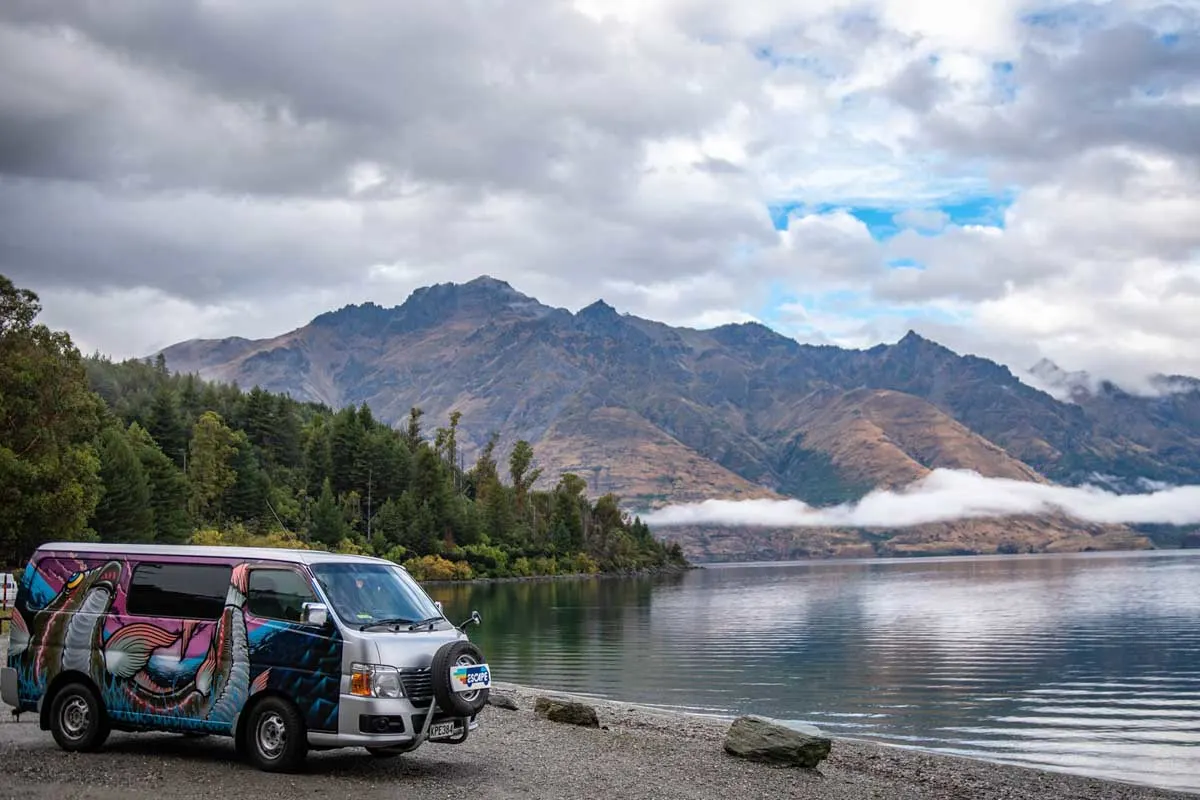
New Zealand’s spectacular scenery and well‑maintained road network make it a magnet for van‑life enthusiasts. Yet the surge in popularity has also attracted a wave of fraudulent rental schemes. Travelers often encounter the same red flags, but the underlying motivations behind these scams reveal a deeper exploitation of the adventure‑seeking mindset. Below is a systematic guide to the most common campervan rental scams operating across the country, along with clues to protect yourself.
1. The “Too‑Good‑to‑Be‑True” Discount
Operators post ultra‑low daily rates—sometimes 30–50 % below market price—on classifieds and social media. The listing typically includes glossy photos and vague location details. After payment, the renter discovers the vehicle does not exist or is a different model, often after they have already arrived in New Zealand. Scammers rely on the traveler’s eagerness to secure a bargain before the busy summer season.
2. Fake Online Booking Platforms
Scammers clone reputable rental websites, complete with convincing UI and SSL certificates. They use SEO tricks to rank high in search results, directing users to near‑identical domains (e.g., “campervanrentals.co.nz” versus “campervanrentals.co.nz”). Payments are requested via untraceable methods such as Western Union or cryptocurrency, bypassing consumer protections.
3. “Deposit‑Only” Reservations
Unscrupulous providers claim a full deposit is required to hold a van, often citing high demand or limited inventory. The deposit is paid in advance, but the renter never receives a contract, insurance details, or a confirmation number. When the traveler arrives, the scammer disappears, leaving the deposit unrecoverable.
4. Misleading Vehicle Descriptions
Listings advertise high‑spec models—such as a 4WD van with a full kitchen—while the actual vehicle is an older, poorly maintained model lacking essential amenities. The disparity is usually revealed during the handover, after the renter has already paid the full amount. The appeal lies in the romanticized image of a fully equipped “home on wheels.”
5. “Last‑Minute” Availability Claims
Scammers target travelers who are already in New Zealand and claim that a van has just become available due to a cancellation. They pressure the renter to book immediately, often with a “one‑hour window” to decide. The urgency exploits the fear of missing out on a limited travel window, prompting hasty decisions.
6. Phantom Insurance Offers
Some fraudsters bundle “comprehensive insurance” into the rental price, promising coverage for accidents, theft, and damage. In reality, the policy is either non‑existent or provided by an unlicensed insurer. When a claim is filed, the renter discovers the insurance is invalid, leaving them financially vulnerable.
7. “Local” Pick‑Up/Drop‑Off Hoaxes
Renters are directed to meet the “owner” at a remote address or a private residence instead of a formal office. The location is often a vacant lot or an unmarked building. The scammer may present a counterfeit registration or inspection sticker, convincing the renter that the vehicle is legitimate before vanishing with the payment.
8. Unofficial “Airbnb‑Style” Rentals
Platforms that mimic accommodation rentals have begun listing campervans as “unique stays.” The host posts attractive photos but fails to disclose that the van is not registered for commercial rental. Guests arrive to find no vehicle, or a sub‑standard van that does not meet safety standards, exposing the gap between tourism enthusiasm and regulatory oversight.
9. Counterfeit Documentation
Scammers provide forged registration papers, service histories, and even fake rental agreements that appear official. These documents often contain subtle errors—misspelled agency names or incorrect VIN numbers—that can be missed by hurried travelers. The authenticity illusion caters to the desire for a seamless, hassle‑free adventure.
10. “Upgrade” Scams
After the initial booking, the renter is contacted with an “upgrade” offer—a larger vehicle or added amenities—for a small additional fee. The upgraded van is never delivered; instead, the original, lower‑spec vehicle is handed over, or the renter is left without a van altogether. The lure of an enhanced experience drives acceptance of the upsell.
11. Hidden Fuel and Mileage Charges
Some rentals advertise “unlimited mileage” but later charge exorbitant fees for fuel, mileage, or “clean‑up” costs after the trip. The contract language is often fine‑print, written in legal jargon that the average traveler overlooks. The hidden fees exploit the perception that the rental is a straightforward, all‑inclusive deal.
12. Over‑booking and “Waitlist” Tactics
Similar to airline overbooking, fraudsters accept multiple reservations for the same van, promising a “waitlist” position if the first renter cancels. When the waitlist is activated, the scammer claims all vehicles are unavailable, offering a refund that never arrives. This technique banks on the common observation that many travelers are willing to wait for the perfect van.