Sleep, that elusive nocturnal sanctuary, has become both a cherished retreat and a perplexing adversary for many travelers worldwide. In recent years, a burgeoning trend—sleep tourism—has captivated the imagination of those tormented by insomnia, promising rejuvenation through carefully curated environments designed to induce slumber. But does a vacation truly possess the power to cure what modern life so frequently disrupts?
The Allure of Sleep Tourism
At first glance, sleep tourism appears a paradox: a quest for rest amid bustling travel landscapes. Yet, this phenomenon taps into a profound human yearning—restorative slumber as a commodity. Resorts and hotels now market specialized “sleep packages,” complete with darkened rooms, white noise machines, and bedding crafted from luxurious, hypoallergenic materials.
But what lies beneath the surface of these tranquil offerings? The fascination with sleep tourism stems not merely from its superficial amenities but from deeper psychological and physiological needs. Modern lifestyles—imbued with relentless digital connectivity, irregular work hours, and stress-inducing environments—fragment our natural circadian rhythms. Sleep tourism, in essence, becomes a sanctuary where disrupted bodies and minds are invited to recalibrate.

Biological Foundations of Restorative Sleep
To understand whether a vacation can genuinely alleviate insomnia, we must first explore the biology of sleep. The human sleep cycle comprises several stages, each integral to cognitive function and physical health. During deep (slow-wave) sleep, the body undergoes vital restorative processes—cell regeneration, hormone release, and memory consolidation.
Insomnia disrupts these natural rhythms, often due to environmental stressors such as noise, light pollution, or psychological anxieties about “sleeping away from home.” Sleep tourism environments attempt to mitigate these triggers by engineering conditions conducive to natural sleep patterns. However, the efficacy of such interventions hinges on individual susceptibility and underlying health factors.
Research suggests that acute stress reduction and controlled environmental stimuli (e.g., low blue light exposure, optimal room temperature) can significantly enhance sleep quality for many individuals. Yet, for chronic insomnia sufferers—whose conditions may be rooted in deeper neurochemical imbalances or psychological disorders—vacation-induced environments might offer only temporary respite.

Cultural and Psychological Dimensions
Beyond physiological considerations, cultural narratives surrounding sleep profoundly shape our perceptions of rest. In many societies, sleep is emblematic of vulnerability or idleness—a state to be minimized rather than embraced. Sleep tourism challenges this paradigm by repositioning slumber as a sacred ritual worthy of deliberate cultivation.
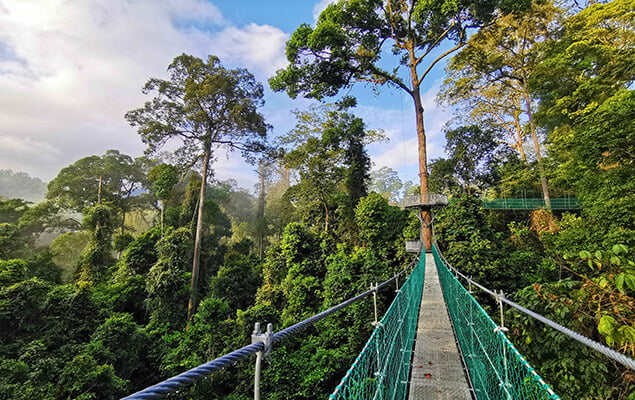
This shift reflects broader societal movements toward mindfulness and holistic wellness, wherein travel itself becomes a form of therapy. The choice of destination—be it a serene mountain retreat, a tranquil beachside enclave, or an urban oasis equipped with “sleep pods”—embodies a selection process guided by personal preferences for sensory stimulation (or its absence). Such choices underscore the subjective nature of sleep experiences and highlight the role of environment in shaping restorative outcomes.
Moreover, psychological factors such as anticipation, relaxation techniques taught at these resorts, and the placebo effect play pivotal roles. The mere expectation of improved sleep can lower stress levels, facilitating deeper states of repose. Thus, while a vacation may not cure insomnia outright, it can significantly ameliorate its symptoms by addressing contributing environmental and mental health factors.

The Limitations of Sleep Tourism
Despite its promise, sleep tourism is not a panacea. Chronic insomnia often necessitates comprehensive interventions—counseling, cognitive-behavioral therapy (CBT-I), or medical treatments—tailored to individual needs. Moreover, the transient nature of vacations means that benefits may dissipate once travelers return to their regular environments, which remain unaltered.
Another limitation lies in accessibility; high-end sleep tourism experiences can be prohibitively expensive for many, exacerbating inequalities in access to wellness resources. Furthermore, the effectiveness of these retreats can vary widely based on individual differences in sleep architecture and stress resilience—a reality that challenges the assumption of universal efficacy.
Nonetheless, for those grappling with transient bouts of insomnia or seeking periodic respite from an erratic schedule, sleep tourism offers a compelling avenue worth exploring. By consciously selecting environments that align with one’s biological and psychological sleep needs, travelers may unlock moments of profound restorative rest amidst the chaos of modern life.

Conclusion: A Balanced Perspective on Sleep Tourism
In sum, while a vacation cannot singularly “cure” insomnia, it can serve as an invaluable supplement to broader sleep hygiene practices. The allure of sleep tourism—rooted in both biological imperatives and cultural narratives—offers travelers a chance to recalibrate their relationship with rest. By acknowledging its limitations alongside its potential benefits, we can navigate this trend thoughtfully, perhaps uncovering deeper insights into the elusive art of sleeping well—not just at home, but wherever our journeys lead us.