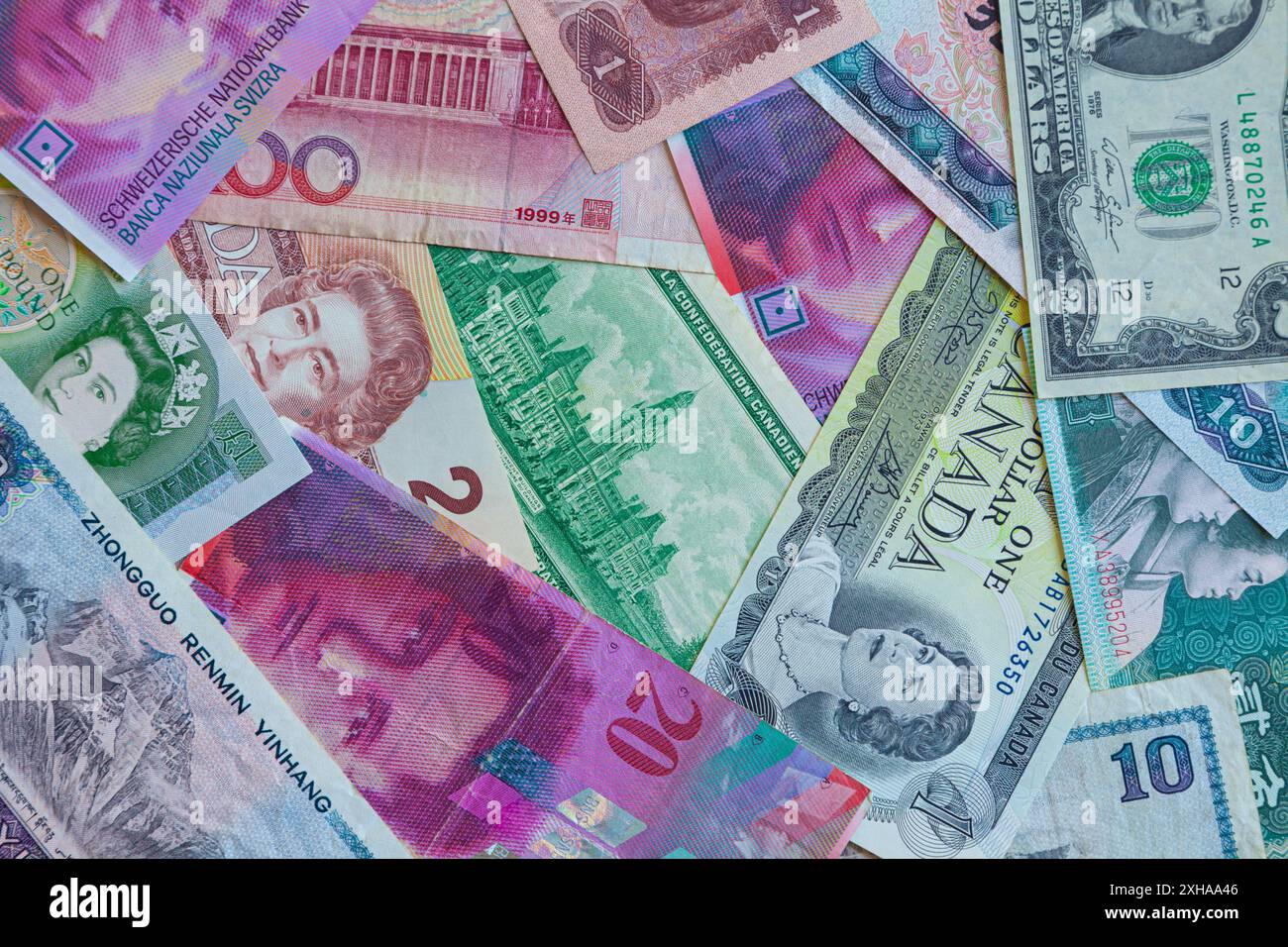
Traveling to cash‑only destinations can be a pleasant surprise or an unexpected hurdle, depending on your preparation. Some locales have deliberately limited electronic payments to preserve local commerce, avoid transaction fees, or maintain a rustic charm. This guide identifies ten cash‑only places around the globe, outlines what travelers typically encounter there, and offers practical advice to stay financially ready.
1. Vigan, Philippines
Vigan’s cobblestone streets and Spanish colonial architecture attract history buffs, but many of its boutique inns, street food stalls, and souvenir shops accept only Philippine pesos in cash. Credit‑card terminals are rare outside upscale hotels. Visitors should bring small denominations for train rides, tricycle fares, and entrance fees to museums.
2. Reykjavik, Iceland (Some Rural Guesthouses)
While Reykjavik’s urban core embraces contactless payments, numerous guesthouses and farms in the countryside still operate cash‑only. Travelers staying in these remote lodgings often find that local tours, horseback riding, and farm‑to‑table meals require Icelandic króna. Carrying enough cash before venturing out of the city prevents last‑minute cancellations.
3. Marrakech, Morocco (Traditional Souks)
The bustling souks of Marrakech prioritize cash transactions. Vendors selling textiles, spices, and pottery rarely accept cards, and many portable chargers or Wi‑Fi kiosks rely on cash for service fees. Having Moroccan dirhams in denominations of 20, 50, and 100 MAD simplifies bargaining and ensures you can purchase handmade goods without delay.
4. Buenos Aires, Argentina (Neighborhood Cafés)
In Buenos Aires, upscale restaurants and chain stores accept cards, but many beloved neighborhood cafés and tango venues prefer cash. The Argentine peso’s frequent devaluation makes card processing cumbersome for small businesses. A mix of pesos and a small amount of US dollars for exchange helps visitors avoid inflated conversion rates at tourist hotspots.
5. Siem Reap, Cambodia (Local Markets)
Beyond the famous Angkor Wat temples, Siem Reap’s night markets and street food vendors operate exclusively with Cambodian riel, although US dollars are also accepted for larger purchases. Credit‑card facilities are limited to hotels and larger restaurants. Travelers should withdraw enough riel for meals, tuk‑tuk rides, and souvenir bargaining.
6. Dubrovnik, Croatia (Island Ferries)
While Dubrovnik’s Old Town is well‑wired for card payments, the ferry services that connect the mainland to nearby islands often require cash in euros. Ticket booths and on‑board vendors for snacks and drinks accept only cash. Booking tickets in advance and keeping a stash of euros ensures a smooth island‑hopping experience.
7. Quito, Ecuador (Neighborhood Panaderías)
In Quito’s residential districts, traditional bakeries (panaderías) and small grocery stores seldom have card readers. Paying with Ecuadorian sucre, the country’s official currency, is mandatory for everyday purchases like bread, fruit, and bus tickets. Carrying small bills helps avoid needing change for larger notes.
8. Zanzibar, Tanzania (Beachside Shacks)
The idyllic beaches of Zanzibar host numerous beachfront shacks that serve fresh seafood and tropical drinks. These enterprises typically operate on a cash‑only basis, accepting Tanzanian shillings. Credit‑card acceptance is limited to upscale resorts, so travelers should exchange enough shillings before heading to the shoreline.
9. Medellín, Colombia (Local Transportation)
Metro stations and major airlines in Medellín accept cards, but most city buses, colectivos, and neighborhood eateries rely on cash in Colombian pesos. Drivers often give change in small denominations, so carrying a variety of bills prevents loss of small change and speeds up boarding.
10. Tallinn, Estonia (Farmers’ Markets)
Estonia’s digital reputation masks a tradition of cash‑only commerce at many farmers’ markets outside Tallinn. Vendors selling homemade cheese, berries, and crafts typically prefer euros in cash. Card terminals are absent, and mobile payment apps may not be universally supported. Bringing a modest amount of euros ensures you can sample local produce without missing out.