Winter in Chicago offers a quiet, crystalline version of the city that many tourists miss. When the wind whistles through the skyline and the streets are brushed with fresh snow, the metropolis becomes a canvas for calm exploration. Fewer crowds mean more space to absorb the architecture, culture, and hidden gems without the summer’s bustle. Below are the compelling reasons why packing a coat and heading to Chicago in winter unlocks a uniquely rewarding experience.
1. Snow‑kissed Skyline: A City Sculpted in Ice
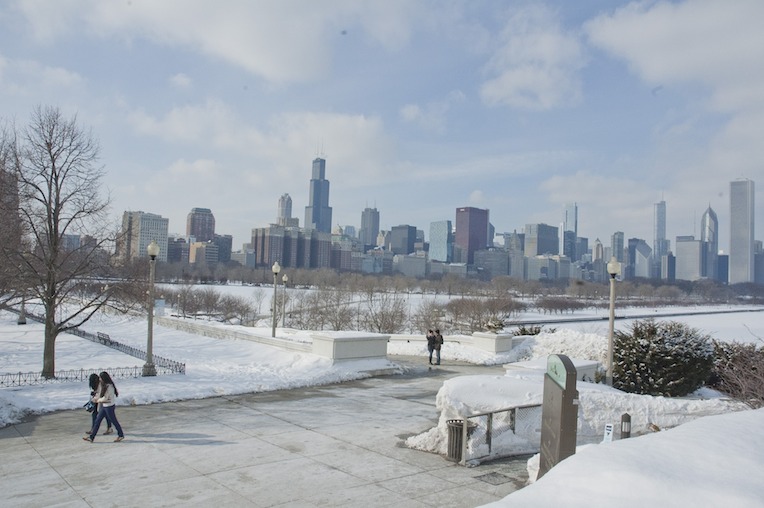
Snow transforms Chicago’s famed skyscrapers into towering ice sculptures, their glass facades reflecting a pale, winter light. The effect is akin to a giant snow globe gently shaken, revealing crisp silhouettes against the muted sky. This pristine backdrop makes photo opportunities effortless and the city’s architectural grandeur feels both intimate and grandiose.
2. Unrivaled Museum Access
Winter months bring thinner lines at world‑class institutions such as the Art Institute of Chicago and the Museum of Science and Industry. With fewer visitors, you can linger before masterpieces, engage with interactive exhibits, and even attend special evening programs that are often oversubscribed during peak seasons.
3. Frosty Riverwalk Serenity
The Chicago Riverwalk, usually humming with joggers and cyclists, quiets down in December and January. A frosty stroll along the water’s edge lets you hear the gentle crackle of ice forming on the rails, offering a rare chance to contemplate the city’s engineering marvels without distraction.
4. Seasonal Culinary Delights
Winter menus spotlight hearty, locally‑sourced fare. From deep‑dish pizza baked to perfection in a wood‑fired oven to rich bowls of Chicago‑style chili, restaurants celebrate comfort food with a Midwestern twist. The lack of crowds means you can secure prime seating at coveted spots without reservation anxiety.
5. Affordable Accommodations
Hotel rates dip noticeably after the holiday rush, providing premium lodging at a fraction of the summer price. Boutique hotels in the Loop and historic inns near Lincoln Park open their doors to travelers seeking luxury without the inflated cost typical of peak tourist months.
6. Winter Sports at Maggie Daley Park
The park’s iconic ice skating ribbon becomes a glistening artery winding through the city’s heart. Skating here feels like dancing on a frozen river, and with fewer skaters, you can glide at your own pace, soaking in the skyline’s reflection in the ice below.
7. Theater and Live Music Intimacy
Chicago’s vibrant performing arts scene thrives year‑round, but winter shows often enjoy smaller, more intimate audiences. Whether catching a Broadway revival at the Cadillac Palace Theatre or a blues set at the historic Green Mill, the closeness of the crowd heightens the sensory impact of each performance.
8. Unique Holiday Light Displays
From the luminous “Winter Wonderfest” at the Navy Pier to the sparkling tree in Millennium Park, winter illuminations dress the city in a festive glow. With post‑holiday crowds dwindling, you can wander these displays at leisure, allowing the lights to paint personal narratives across the night.
9. Quiet Architectural Tours
Guided tours of Chicago’s iconic structures—like the Willis Tower and the historic Chicago Cultural Center—are less congested, giving participants the chance to ask questions and linger under soaring arches. The winter air carries a crispness that mirrors the clean lines of modern architecture, enhancing the overall experience.
10. Local Festivals Without the Frenzy
Events such as the Chicago Restaurant Week and the Chicago International Film Festival thrive in the colder months. Attendance drops after the initial buzz, granting visitors the ability to explore tastings, screenings, and panels without battling long lines or packed venues.
11. Snow‑Bound Public Gardens
Garfield Park Conservatory and the Chicago Botanic Garden adopt a tranquil, wintry aspect where evergreen foliage and snow‑covered pathways provide a serene escape. The tranquility invites reflective walks, and the reduced visitor numbers mean you can discover hidden nooks rarely seen in summer.
12. The Quiet Charm of Neighborhood Streets
Chicago’s diverse neighborhoods—Pilsen, Hyde Park, Andersonville—slow down under a blanket of snow, revealing everyday life that tourists seldom witness. Local cafés stay open with steaming mugs, street art glistens with frost, and residents greet you with the warmth of Midwestern hospitality, all amid an atmosphere of tranquil, unhurried discovery.