There’s a myth that solo travel demands a solitary wallet—cramped hostels, instant noodles, and the constant hum of “I can’t afford this.” But what if I told you that the most exhilarating adventures don’t come from isolation, but from the alchemy of shared experiences? Group tours, often dismissed as tourist traps, are the unsung heroes of budget solo travel. They slash costs, amplify safety, and transform strangers into allies. Yet, the secret isn’t just booking any tour—it’s mastering the art of booking the *right* one. These eight strategies will shatter your preconceptions, revealing how group tours can be your ticket to wanderlust without the financial hangover.
The Illusion of Solitude: Why Group Tours Are Your Budget’s Best Friend
Solo travel isn’t about being alone; it’s about being unbound. Yet, the myth persists that going solo means paying solo prices. Enter group tours—a Trojan horse for your budget. The economics are simple: shared costs mean shared savings. A $2,000 private tour of Patagonia? Forget it. A $400 group trek with 12 strangers? Now we’re talking. But here’s the twist: these tours aren’t just cheaper; they’re *smarter*. Operators bulk-buy accommodations, transport, and guides, passing the savings to you. The real magic? You’re not just saving money—you’re buying access to insider knowledge, local secrets, and a built-in social network. The solo traveler’s paradox is this: the more people you’re with, the more you *feel* alone. Group tours flip the script.

Timing Is Everything: The Art of Booking Off-Peak (Without the Off-Peak Blues)
Peak season isn’t just expensive—it’s soul-crushing. Crowds, inflated prices, and the quiet resentment of overpriced gelato. But here’s the hack: off-peak isn’t just cheaper; it’s *better*. Shoulder seasons—those liminal months between high and low—are where group tours become a steal. Take Southeast Asia: November to February is peak, but March to May? The same temples, the same beaches, half the price. The key is to book *early* for off-peak. Operators slash prices to fill spots, and you snag the same itinerary for 30-50% less. Pro tip: use tools like Google Trends to spot when demand dips. The best time to book isn’t when you *want* to travel—it’s when no one else does.
Group Dynamics: How to Find Tours That Don’t Feel Like a Herd
Not all group tours are created equal. Some are cattle drives with itineraries; others are curated experiences where strangers become collaborators. The difference? Size and structure. Avoid tours with more than 15 people—any larger, and you’re just a face in the crowd. Look for “small-group” operators (10 or fewer) or “private group” options where you can split costs with 3-4 others. The sweet spot? Tours marketed as “social,” “adventure,” or “local immersion.” These attract like-minded travelers, ensuring your group feels less like a tour and more like a temporary family. Read reviews not for the star ratings, but for the *stories*. A five-star tour with lukewarm anecdotes is a red flag. A four-star tour with rave reviews about “the best people I’ve ever met”? That’s your goldmine.

The Negotiation Gambit: How to Haggle Like a Local (Without the Awkwardness)
You don’t need to be a wheeler-dealer to slash tour prices. The trick is to *ask*—politely, persistently, and at the right time. Start with operators who don’t list prices publicly (they’re more flexible). Email them with a simple pitch: “I’m traveling solo and noticed your [X] tour. Are there any discounts for early booking or off-peak dates?” Mention your flexibility—”I can travel in March instead of April”—and watch the offers roll in. For last-minute deals, target tours with 50%+ availability. Operators would rather fill a spot at 30% off than leave it empty. The key is to frame your request as a *collaboration*: “I’m committed to your tour, but my budget is tight—can we make this work?” Nine times out of ten, they’ll meet you halfway.
Hidden Gems: The Tours That Aren’t on the Front Page (But Should Be)
The internet is a graveyard of overpriced, overhyped tours. The real deals? They’re buried in niche corners of the travel world. Start with “voluntourism” platforms like Workaway or WWOOF—yes, you’ll work, but you’ll also get free lodging and meals in exchange for a few hours of your time. Then there are “slow travel” tours, where you spend a week in one place instead of hopping cities. These are cheaper, deeper, and often include homestays. Don’t overlook “local” operators either. Big-name companies like Intrepid or G Adventures dominate the search results, but smaller outfits (e.g., a family-run trekking company in Nepal) offer the same experience for half the price. The trick is to dig beyond the first page of Google and into forums like Reddit’s r/solotravel or Facebook groups like “Budget Travelers Anonymous.” The best tours aren’t advertised—they’re *recommended*.
The Solo Paradox: How to Book a Group Tour Without Losing Your Independence
Group tours aren’t about surrendering control—they’re about *strategic surrender*. The key is to choose tours with “free time” built into the itinerary. A 10-day tour with 3 days of structured activities and 7 days of exploration? That’s the sweet spot. You get the camaraderie and savings of a group, but the freedom to wander solo when the mood strikes. Another tactic? Book a “basecamp” tour, where you stay in one place and take day trips. This gives you the stability of a home base while still letting you explore independently. And if you’re worried about being trapped in a groupthink bubble? Opt for “self-guided” group tours, where you follow a loose itinerary but have the flexibility to deviate. The goal isn’t to lose yourself in the crowd—it’s to use the crowd as a springboard for your own adventures.
The Aftermath: Turning Tour Mates Into Lifelong Travel Buddies
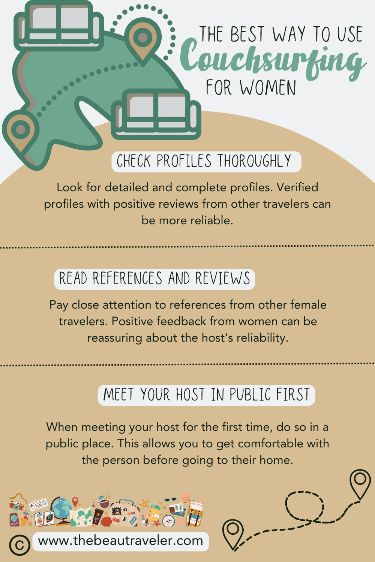
A group tour ends, but the connections don’t have to. The best tours aren’t just about the places you see—they’re about the people you meet. Swap numbers, add each other on social media, and plan your next trip together. The beauty of solo travel is that you’re not bound by pre-existing friendships; you can curate your own tribe. Use apps like Meetup or Couchsurfing to organize post-tour meetups. Turn a one-time group into a traveling network. And if you’re feeling bold? Propose a “group tour hack” where you and your new friends book a private tour together, splitting the cost and customizing the itinerary. The line between tour and friendship blurs when you’re the one holding the map.
The solo traveler’s greatest fear isn’t getting lost—it’s getting stuck. Stuck in a cycle of overpriced flights, lonely hostels, and the gnawing sense that adventure is a luxury reserved for others. Group tours shatter that illusion. They’re not a compromise; they’re a catalyst. The right tour doesn’t just save you money—it multiplies your experiences, your stories, and your courage. So the next time you’re staring at a price tag that makes your stomach drop, remember: the world isn’t just out there waiting. It’s out there *sharing*. And the best deals? They’re the ones you don’t have to take alone.