Sleep tourism is poised to redefine wellness travel by 2026, offering an immersive experience that transcends conventional relaxation paradigms. This emerging trend promises a profound shift in perspective, inviting travelers to explore sleep as a curated journey rather than a mere necessity. As we delve into the facets of this burgeoning phenomenon, prepare to have your curiosity piqued and your understanding of rest reinvigorated.
The Neurological Symphony of Sleep Tourism
At the heart of sleep tourism lies a sophisticated orchestration of neuroscience, where environments are meticulously designed to harmonize with the brain’s natural rhythms. Sensory deprivation tanks, biophilic retreats, and chrono-optimized schedules are staples, each engineered to enhance deep REM cycles and synaptic renewal. The neurologist’s dream, these havens promise not just sleep, but a recalibration of cognitive functions—boosting memory consolidation, emotional resilience, and creative insight.

Sensorial Sanctuaries: The Architecture of Serenity
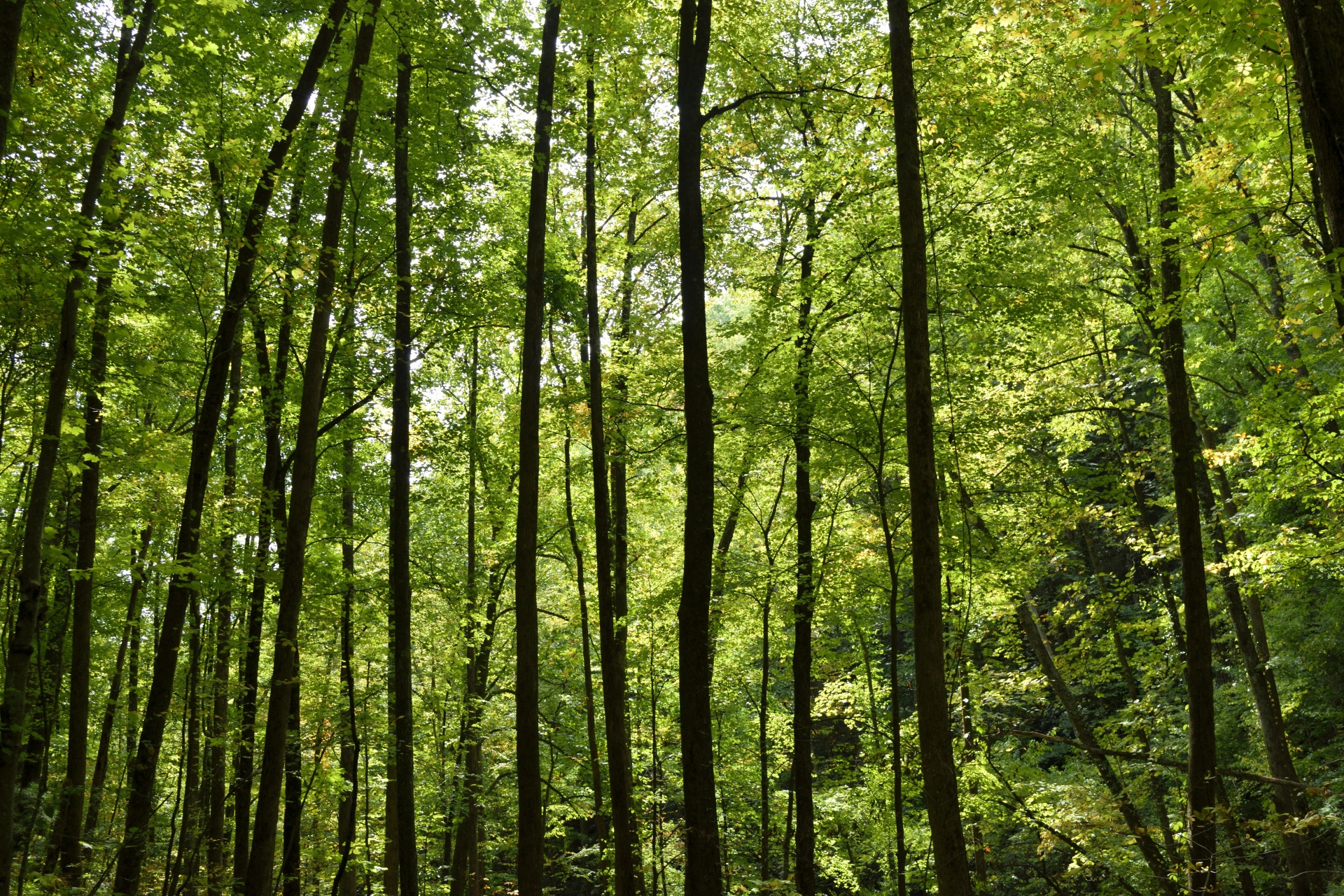
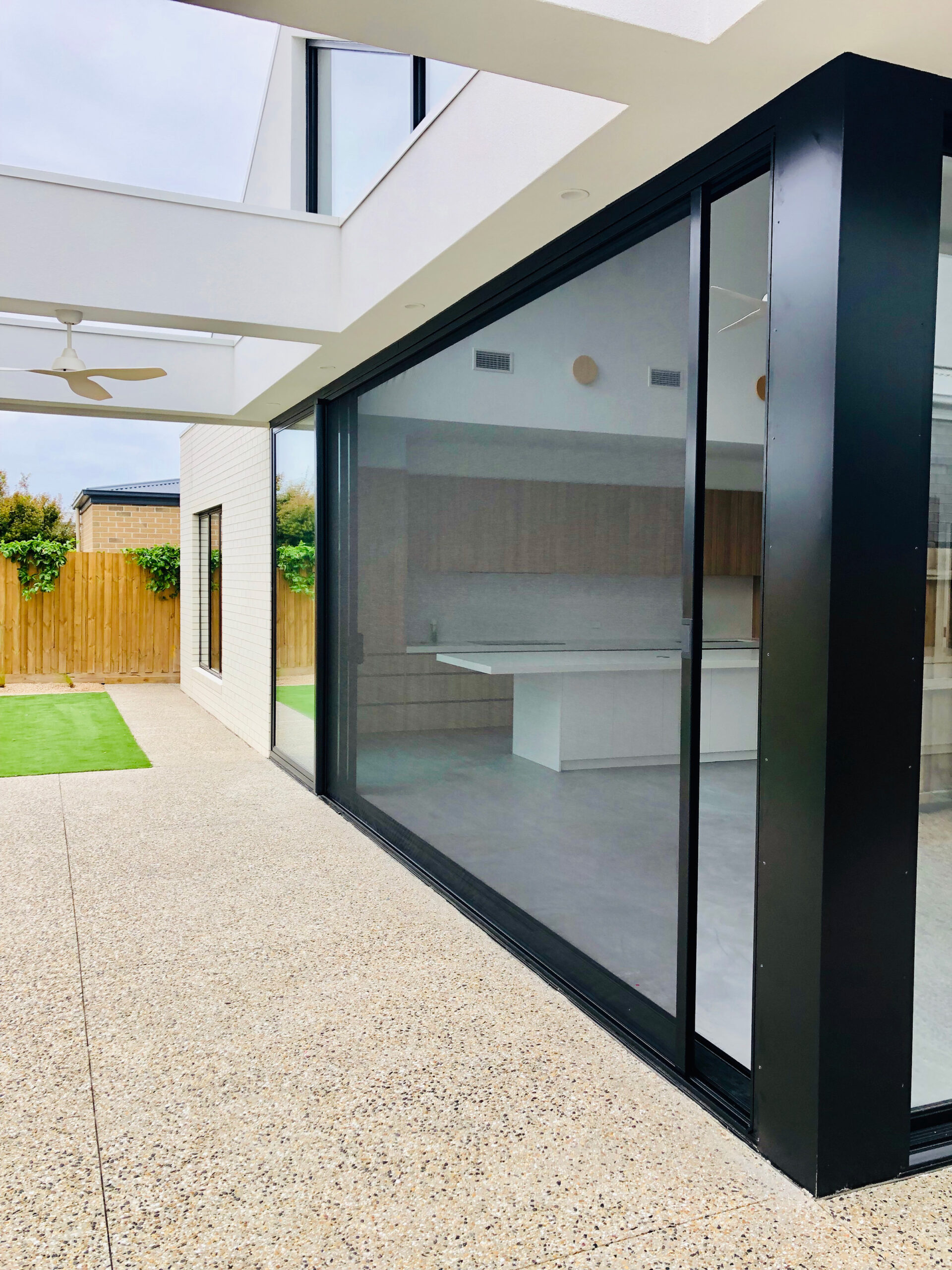
The architectural ethos of sleep tourism is one of intentional minimalism, where every tactile element serves a restorative purpose. Hypoallergenic linens crafted from merino wool, aromatherapy diffusers tuned to personal pheromonal profiles, and zero-gravity beds that redistribute body weight—are but a few examples. These sanctuaries are not mere abodes; they are biophilic contraptions designed to rekindle the primal connection between nature and nocturnal repose.

Chronobiology: Aligning with Earth’s Rhythms
A pivotal component of sleep tourism is its alignment with chronobiology—the science of time cycles within living organisms. Destination-specific retreats leverage local solar and lunar patterns to synchronize visitors’ circadian rhythms, fostering a natural entrainment that eliminates jet lag even before it begins. This chrono-tuned approach ensures that each moment—whether in the balmy dawn of Bali or the crisp evening of Aspen—is an opportune slot for deep restorative slumber.
Personalized Sleep Curation: The Role of AI and Holistic Practitioners
The advent of artificial intelligence has ushered in a new era of personalized sleep curation. Sophisticated algorithms analyze individual sleep data, environmental conditions, and personal wellness goals to craft bespoke itineraries that optimize restorative potential. Enlisting the expertise of holistic practitioners—ranging from acupuncturists to breathwork specialists—these tours are tailored to address specific health narratives, making each visitor’s experience as unique as their DNA.

Culinary Consonance: The Alchemy of Sleep-Inducing Gastronomy
No exploration of sleep tourism would be complete without acknowledging its gastronomic underpinnings. Culinary alchemists craft menus rich in tryptophan, magnesium, and melatonin-enhancing ingredients—think lavender-infused risottos and tart cherry lattes. Each dish is a symphony of flavors designed not just to satiate but to lull the senses into a pre-sleep state, making dining itself an act of restorative alchemy.

Social Wellness: Community and Collective Rest
Sleep tourism is not solitary indulgence; it’s a communal phenomenon. Retreats foster environments where shared nocturnal experiences become opportunities for social bonding and collective healing. Group activities such as guided moonlit walks, synchronized meditation, and storytelling sessions around bioluminescent pools create a tapestry of connections that amplify the restorative benefits of solitude through community.
Environmental Stewardship: Sustainable Sleep Paradigms
In an era acutely aware of ecological footprints, sleep tourism champions sustainability as a core tenet. Eco-friendly lodgings employ renewable energy sources, utilize native plant palettes for landscaping, and engage in carbon-neutral operations. This commitment to environmental stewardship ensures that the quest for restfulness does not compromise the sanctity of our planetary home.

The Economic Ripple: A New Frontier for Local Economies
As sleep tourism burgeons, it heralds a seismic economic shift for locales worldwide. From rural hamlets to urban oases, communities are poised to benefit from the influx of wellness-focused travelers. This trend catalyzes job creation in hospitality, culinary arts, and holistic therapies, thereby infusing local economies with vitality while offering visitors unparalleled restorative experiences.
Conclusion: A World Reimagined Through Rest
The ascendancy of sleep tourism by 2026 promises not just a revolution in wellness travel but a redefinition of what it means to rest. By marrying cutting-edge science, bespoke personalization, and sustainable stewardship, this trend invites travelers on an odyssey where every night is an opportunity for profound renewal. As we inch closer to this future, the world awaits—with open arms and perhaps just a little more patience—ready to welcome those seeking the ultimate in restorative journeys.