Embarking on a journey through the sylvan realms, one discovers an ancient practice that whispers secrets of rejuvenation and harmony with nature—forest bathing, or shinrin-yoku as the Japanese term suggests. This is not merely a stroll among trees; it is a sensory immersion into an alchemical environment where air, earth, and light transmute stress into serenity.
Origins and Essence of Forest Bathing
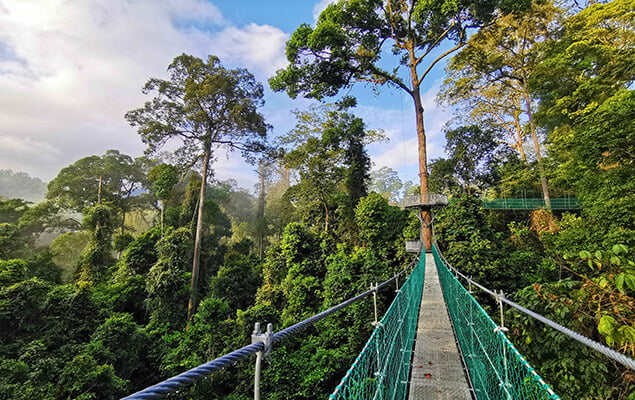
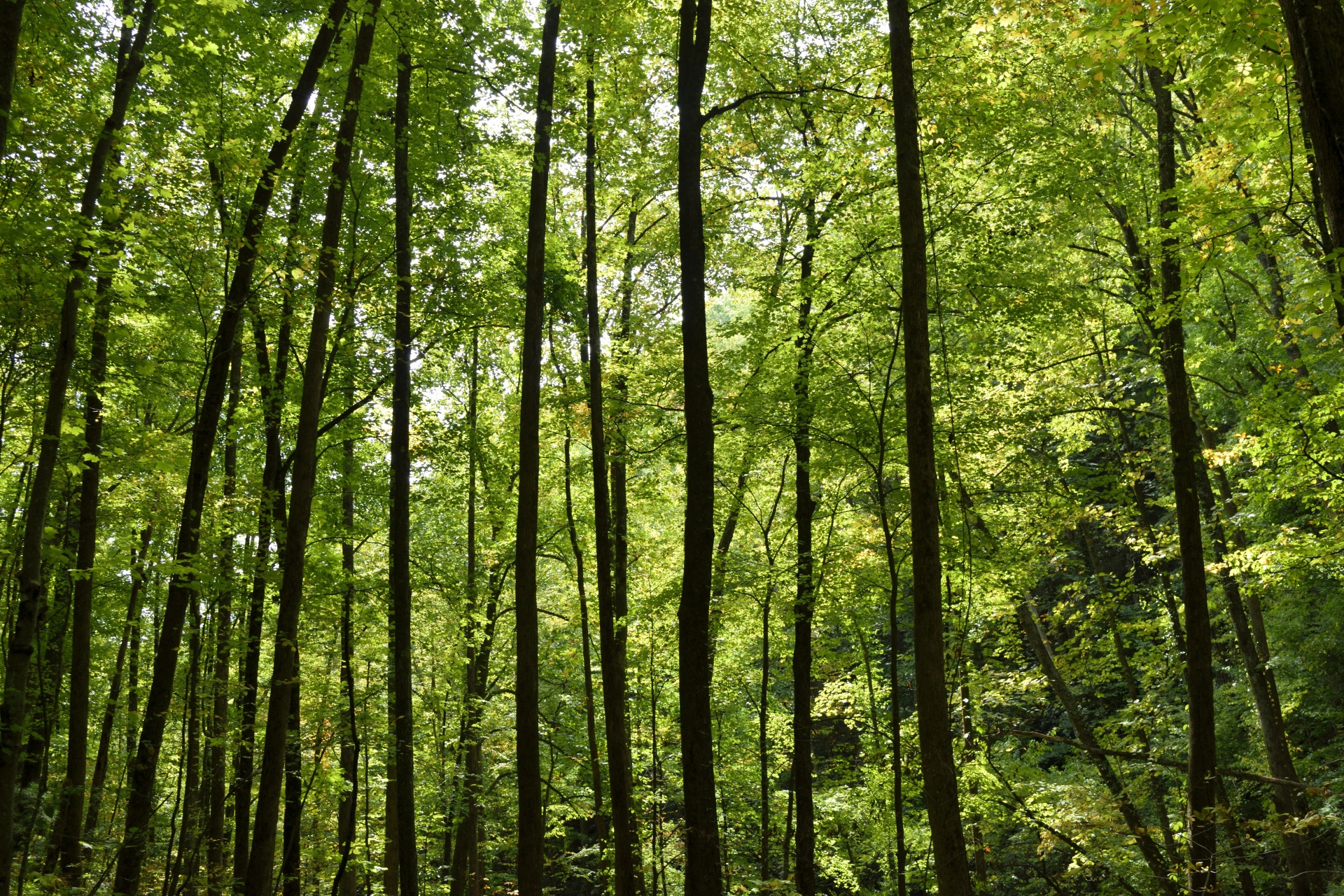
Melding the ethereal with the terrestrial, forest bathing originated in Japan during the 1980s as a therapeutic response to rising occupational stress. Unlike brisk hiking, it advocates gentle sauntering through woodlands, engaging all senses to absorb nature’s offerings—a kaleidoscope of scents from resinous pine and earthy moss, the dappled symphony of sunlight filtering through leaves, and textures that cradle the soles beneath you.

Scientific Backing: Nature’s Pharmacopeia
Pioneering studies reveal that this arboreal communion exudes tangible health benefits. Phytoncides—organic compounds emitted by plants—fortify our immune system, boosting natural killer cell activity. Moreover, the forest’s ambience reduces cortisol levels, tempering the physiological underpinnings of stress. Electroencephalogram readings indicate a shift toward alpha waves, heralding a state of tranquil alertness akin to deep meditation yet grounded in present-moment awareness.
Cognitive and Emotional Resilience
Delving deeper, forest bathing nurtures cognitive resilience. The distraction from rumination fosters a “soft fascination,” allowing mental clutter to dissolve under the benign scrutiny of natural beauty. Emotionally, it cultivates a profound sense of interconnectedness—a poignant reminder that we are but one thread in nature’s grand tapestry. This communion can catalyze emotional healing, transforming existential solitude into shared existence with flora and fauna.

Practical Guide: Initiating Your Forest Bath
To embark on this odyssey, select a setting that resonates—a temperate woodland or shaded grove suffices. Disrobe digital distractions; let your phone rest in silent slumber while you don the cloak of unfiltered perception. Begin at a leisurely pace, inhaling deeply to savor the arboreal perfume. Observe the interplay of light and shadow, attune to subtle sounds—a breeze rustling leaves or distant birdcalls.
Integrating Sensory Depth
Beyond visual appreciation, immerse your other senses. Feel the firmament beneath—soft moss underfoot or bark’s textured embrace. Taste the crispness of filtered air, a mentholated whisper on your tongue. Engage in mindful listening, identifying layered auditory motifs—from the gentle sigh of wind to the rhythmic heartbeat of sap ascending through branches.
Sustaining the Practice
To forge lasting benefits, incorporate forest bathing into your routine bi-weekly or monthly, depending on availability and personal rhythm. Document experiences in a journal, noting sensory revelations and emotional shifts—a testament to nature’s enduring influence. As seasons evolve, observe how each arboreal tableau—spring’s verdant burst, autumn’s fiery foliage—offers distinct therapeutic narratives.
Conclusion: A Continuous Embrace
In an era where the digital veneer often eclipses organic reality, forest bathing beckons as a bastion of authenticity. It is not a singular encounter but a continuous embrace—a dialogue between human and habitat that transcends temporal bounds. By stepping through leaf-littered gateways, we not only revive our spirits but also reaffirm our intrinsic bond with the biosphere, nurturing both personal well-being and ecological stewardship.