Embarking on a long-distance road trip with a canine companion transforms an ordinary journey into an odyssey of shared resilience, unexpected camaraderie, and the quiet triumphs of navigating the open road together. While the allure of distant horizons and the promise of adventure fuel the human spirit, the true magic lies in the unspoken bond forged between traveler and four-legged co-pilot. Dogs, with their unwavering loyalty and intuitive understanding, don’t just endure the miles—they thrive in them, turning rest stops into playgrounds and highway restlessness into moments of quiet companionship. Yet, beneath the surface of tail wags and panoramic vistas, there’s a deeper fascination: the way a dog’s presence reshapes the travel experience, turning what could be a solitary slog into a symphony of shared discovery. This guide isn’t just about logistics; it’s about embracing the transformative power of the journey when your best friend is by your side.
The Pacific Coast Highway: Where the Ocean Meets the Open Road
Stretching from the rugged cliffs of California’s Big Sur to the misty shores of Washington’s Olympic Peninsula, the Pacific Coast Highway (PCH) is a ribbon of asphalt that clings to the continent’s edge, offering a sensory feast of salt-kissed air, towering redwoods, and the hypnotic rhythm of crashing waves. For dogs, this route is a sensory playground—endless beaches to dig paws into, coastal trails to sniff out hidden coves, and the rare privilege of watching seals bask on offshore rocks from the safety of a car window. Yet, the PCH’s allure isn’t just in its scenery; it’s in the way it forces travelers to slow down. Dogs, after all, don’t care about the next Instagram-worthy viewpoint—they care about the next patch of grass to mark, the next seagull to bark at. This forces humans to adopt a canine pace: stop frequently, linger in the salty breeze, and let the journey unfold in real time. The deeper reason for the PCH’s fascination? It’s a reminder that the best adventures aren’t measured in miles but in the moments between them—the way a dog’s ears perk up at the sound of a distant foghorn or the way they curl up on your lap after a day of exploration, exhausted and content.

The Great Plains Crossings: Endless Skies and the Art of the Unhurried Drive
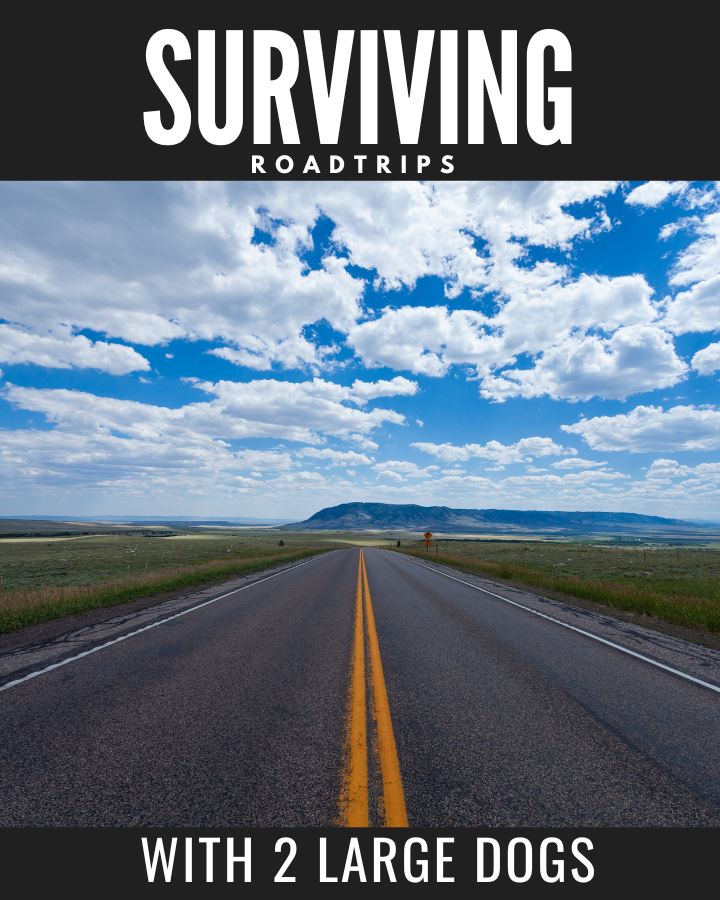
Crossing the Great Plains—from the wheat fields of Kansas to the badlands of North Dakota—is an exercise in existential reflection, where the horizon stretches so far it feels like the edge of the world. For dogs, this expanse is both a playground and a challenge. The wide-open spaces mean endless room to run (when safely leashed), but they also demand patience. Unlike coastal routes where distractions are constant, the Plains reward those who embrace monotony. A dog’s fascination with the journey here isn’t about novelty; it’s about the rhythm of the road itself. The hum of tires on asphalt becomes a lullaby, the passing of cattle trucks a daily parade. The deeper pull of this route lies in its ability to strip away the noise of modern life. There are no traffic jams, no crowded rest stops—just the steady pulse of the engine and the occasional coyote sighting to break the monotony. For humans, it’s a lesson in surrendering control; for dogs, it’s the ultimate test of adaptability. The Plains teach both species that sometimes, the journey isn’t about the destination—it’s about the quiet acceptance of the miles between.

The Blue Ridge Parkway: A Canine’s Guide to Mountain Majesty
The Blue Ridge Parkway, winding 469 miles through Virginia and North Carolina, is a masterclass in elevation and serenity. For dogs, this route is a vertical playground—steep climbs to overlook vistas that steal the breath (and the bark), cool mountain streams to splash in, and the crisp scent of pine needles to roll in at every turn. The Parkway’s magic lies in its unpredictability. One moment, you’re winding through dense forests where the only sounds are the chirp of crickets and the rustle of leaves; the next, you’re at an overlook where the world unfolds in layers of blue and green. Dogs, with their keen noses and boundless energy, thrive in this environment. They don’t just see the mountains—they *experience* them, their paws crunching on gravel, their tails wagging at the scent of wild berries. The deeper fascination with this route is its ability to reset the human-dog dynamic. In the city, dogs are often confined by sidewalks and leashes; on the Parkway, they’re free to explore in ways that feel primal and joyful. For humans, it’s a chance to remember what it’s like to move through the world with unbridled curiosity. The Parkway doesn’t just connect two points—it connects two states of being: the hurried and the present.

The Historic Route 66: A Time Capsule of Americana (and Dog-Friendly Pit Stops)
Route 66 isn’t just a road—it’s a time capsule, a 2,400-mile journey through the heart of America’s soul, where neon signs flicker like stars and diners serve pie that tastes like nostalgia. For dogs, this route is a treasure hunt. Every roadside attraction, from the Cadillac Ranch in Texas to the Blue Swallow Motel in New Mexico, is a potential photo op and sniffing ground. The deeper appeal of Route 66 lies in its contradictions: the relentless forward motion of the highway contrasted with the slow, meandering charm of small-town America. Dogs, with their love of routine and familiarity, thrive in this environment. They become connoisseurs of roadside parks, experts in the art of the car window down, and unofficial greeters at every truck stop. For humans, the route offers a chance to reconnect with a slower, more tactile version of America—one where the journey is as important as the destination. Route 66 teaches that the best adventures aren’t about the miles logged but the stories collected along the way. And for a dog, every mile is a story waiting to be told.
The Trans-Canada Highway: A Northern Odyssey of Wilderness and Wonder
Stretching from the Atlantic to the Pacific, the Trans-Canada Highway is a 4,860-mile testament to the raw, untamed beauty of a continent. For dogs, this route is the ultimate test of endurance and adaptability. The wilderness here is not manicured or tamed—it’s wild, unpredictable, and breathtaking. Moose crossings, glacier-fed rivers, and the aurora borealis painting the night sky are all part of the journey. The deeper pull of this route is its ability to humble travelers. In a world where most roads are designed for speed, the Trans-Canada forces you to slow down, to watch the landscape change from maritime cliffs to prairie grasslands to the jagged peaks of the Rockies. Dogs, with their innate curiosity and resilience, embody this spirit of adaptation. They don’t just tolerate the journey—they revel in it, whether it’s splashing in a glacial lake or curling up in a cozy cabin after a day of exploration. The Trans-Canada Highway isn’t just a road; it’s a pilgrimage. And for those willing to embrace its challenges, it becomes a journey that reshapes the bond between human and dog, turning companions into partners in adventure.