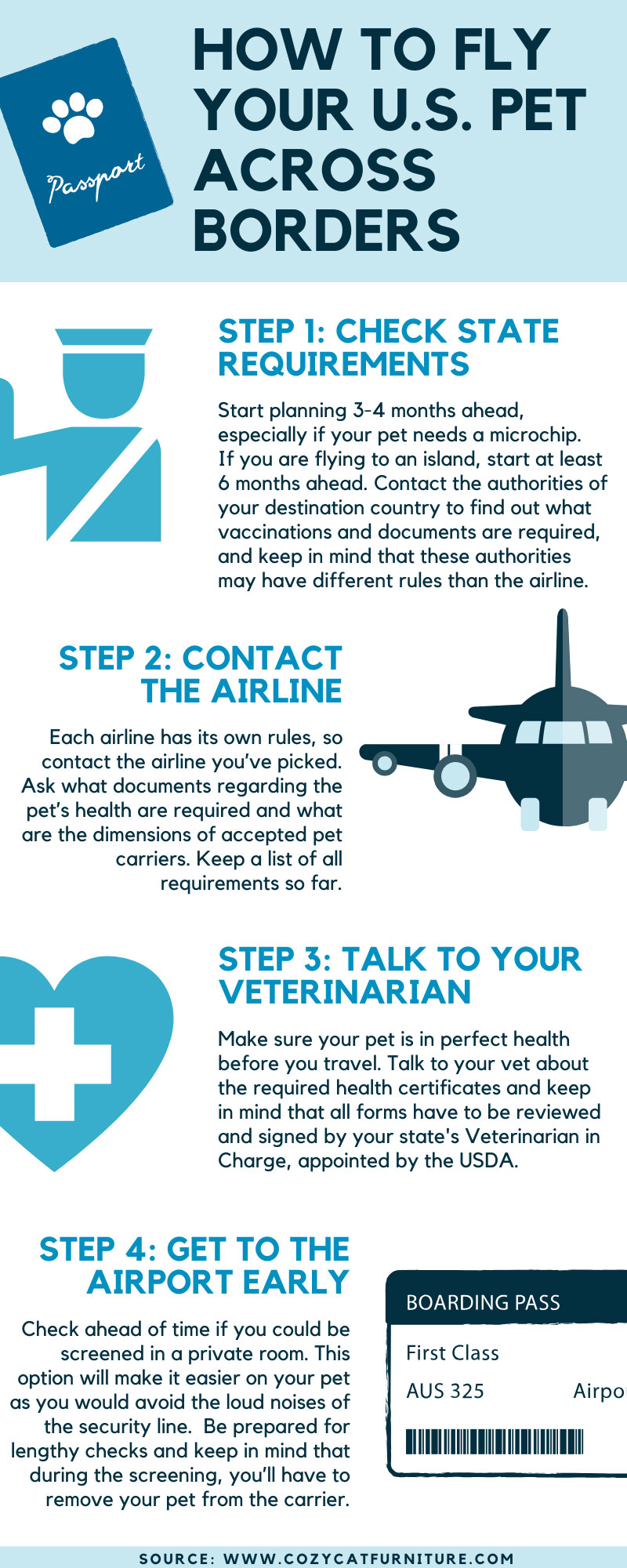
When the world becomes too small for your furry, feathered, or scaled companion, the skies—or rather, the cargo holds and relocation services—become the bridge to new horizons. International pet travel is a labyrinth of regulations, logistics, and emotional crossroads, where every choice shapes the journey ahead. Should your pet hitch a ride in the cargo hold, nestled among suitcases and shipments, or entrust their voyage to a dedicated pet relocation service, where every pawstep is meticulously curated? The answer lies not just in cost or convenience, but in understanding the hidden currents of each path. This guide peels back the layers of international pet travel, revealing the stark contrasts, unexpected delights, and critical considerations that define the journey from one continent to another.
The Great Divide: Cargo Hold vs. Pet Relocation Service
Imagine boarding a transatlantic flight, your pet tucked away in a climate-controlled, dimly lit hold, surrounded by the hum of engines and the occasional rattle of luggage. This is the realm of airline cargo travel, where pets become parcels with paws—subject to the same logistical dance as crates of electronics or stacks of duty-free perfume. The cargo hold is a world of efficiency, where your pet’s safety hinges on the airline’s protocols: temperature regulation, ventilation, and the ever-present risk of delays that could leave them stranded in a foreign terminal.
Contrast this with the pet relocation service, a bespoke odyssey where your companion is not a shipment but a guest of honor. These services orchestrate every detail—from veterinary paperwork to in-flight monitoring—transforming the journey into a seamless narrative. While cargo travel is a solo act, relocation services are a symphony, with each note (or paw) playing a role in a larger, more harmonious composition. The choice between the two is not merely practical; it’s a philosophical one. Do you trust the cold precision of the cargo system, or the warm, guiding hand of a service that treats your pet like family?
The Cargo Hold: A Voyage of Resilience and Uncertainty
The cargo hold is a liminal space, neither here nor there, where pets become temporary stowaways in the belly of the beast. Airlines have strict guidelines: IATA-approved crates, health certificates, and, in many cases, a ban on snub-nosed breeds due to respiratory risks. The experience is one of controlled chaos—temperature fluctuations, the jostle of baggage handlers, and the eerie silence of a hold that feels like a void. Yet, for many pets, this journey is survivable. Dogs and cats, with their adaptable natures, often emerge unscathed, their resilience tested but unbroken.
But resilience is not without its toll. The cargo hold is a place of sensory deprivation, where the absence of familiar sounds and smells can be disorienting. For anxious pets, the experience may leave emotional scars. Airlines mitigate risks with protocols—priority loading, temperature checks, and dedicated staff—but the margin for error remains. A delayed flight, a misplaced crate, or a sudden temperature spike can turn a routine journey into a nightmare. The cargo hold is a gamble, one where the stakes are your pet’s comfort and safety.
Pet Relocation Services: The Art of Tailored Travel
Enter the pet relocation service, a guardian angel for globetrotting pets. These services are the architects of stress-free journeys, where every detail is preempted and every contingency planned. From the moment you contact them, your pet’s voyage becomes a curated experience. Veterinary visits are scheduled with precision, crates are customized for comfort, and flights are chosen not just for cost but for minimal layovers and optimal conditions. Some services even offer real-time tracking, so you can follow your pet’s progress as if they were a VIP on a world tour.
The appeal of relocation services lies in their hyper-personalization. Need a layover in Dubai with a pet-friendly hotel? They’ll arrange it. Worried about your parrot’s sensitivity to temperature? They’ll ensure a climate-controlled environment. These services don’t just move pets; they orchestrate a seamless transition, handling everything from customs paperwork to quarantine protocols. For high-strung or exotic pets, this level of care is not just preferable—it’s essential. The relocation service is the difference between a journey and an adventure, between survival and thriving.
The Cost Conundrum: Weighing Value Against Expense
Of course, such meticulous service comes at a price. Pet relocation services can cost several thousand dollars, depending on the destination, pet size, and level of care required. Cargo travel, by contrast, is a fraction of the cost—often under $200 for a one-way trip. But cost is not merely a number; it’s a reflection of value. A $50 cargo ticket might save you money, but it could also leave your pet vulnerable to the vagaries of airline logistics. A $3,000 relocation service might feel extravagant, but it buys peace of mind, knowing your pet’s every need has been anticipated.
Consider the hidden costs of cargo travel: potential vet bills for stress-induced illness, last-minute crate purchases, or even the emotional toll of a harrowing journey. Relocation services, while expensive, often include insurance, emergency support, and post-arrival care, turning a one-time expense into a long-term investment in your pet’s well-being. The true cost of travel is not just financial—it’s emotional. And in that equation, the value of a stress-free journey may far outweigh the sticker price.
Regulations and Red Tape: The Unseen Battleground
International pet travel is a minefield of regulations, where one misstep can derail an entire journey. Airlines have their own rules—some ban pets in cargo during extreme temperatures, others require advance booking for live animals. Then come the governmental hurdles: rabies vaccinations, microchipping, import permits, and, in some countries, mandatory quarantine. The cargo hold route demands that you navigate these waters alone, deciphering airline policies and country-specific laws with little guidance. A single overlooked document can mean a pet left behind—or worse, quarantined for months.
Pet relocation services, however, are navigators par excellence. They know the ins and outs of each country’s requirements, from Australia’s strict quarantine laws to Japan’s microchipping mandates. They handle the paperwork, liaise with customs, and ensure your pet meets every legal threshold. For complex destinations—think Hawaii’s 120-day quarantine or the UK’s pet travel scheme—they are indispensable. The red tape of international travel is not just a nuisance; it’s a labyrinth. And without a guide, even the most intrepid pet owner can get lost.
The Emotional Equation: Stress vs. Serenity
Pets are not just animals; they are emotional barometers, sensitive to every shift in their environment. The cargo hold is a crucible of stress—unfamiliar sounds, confined spaces, and the absence of their human’s scent. Even the most stoic pets may emerge from the journey shell-shocked. Relocation services, however, prioritize comfort. They may arrange for a pet to travel in the cabin (if the airline allows), provide calming pheromones, or even sedate anxious pets under veterinary supervision. The goal is not just to transport, but to preserve the pet’s emotional equilibrium.
For some pets, the journey is a non-event. For others, it’s a trial. The difference often lies in the level of care. A dog crated in the hold of a busy airport may face hours of uncertainty, while a cat traveling with a relocation service might enjoy a layover in a quiet, temperature-controlled lounge. The emotional cost of travel is not just a footnote—it’s a critical factor in your pet’s long-term well-being. A stressed pet may develop behavioral issues, from separation anxiety to aggression. A serene pet, on the other hand, may arrive as if they’ve merely taken a nap.
The Final Verdict: Which Path to Choose?
The choice between cargo travel and pet relocation service is not one-size-fits-all. For the budget-conscious traveler with a resilient pet, cargo may suffice. For those with exotic, elderly, or highly anxious pets, relocation services offer a lifeline. The key is to weigh the variables: your pet’s temperament, the destination’s requirements, and your own capacity to navigate the logistical maze. Ask yourself: Can I handle the uncertainty of cargo travel, or do I need the reassurance of a curated journey? Is my pet’s comfort worth the investment, or can they endure the hold’s challenges?
Ultimately, international pet travel is about more than logistics—it’s about love in motion. Whether your pet soars in the cargo hold or glides through a relocation service’s care, the goal is the same: to reunite them with you, safe and sound, on the other side of the world. Choose wisely, for the journey is as important as the destination.