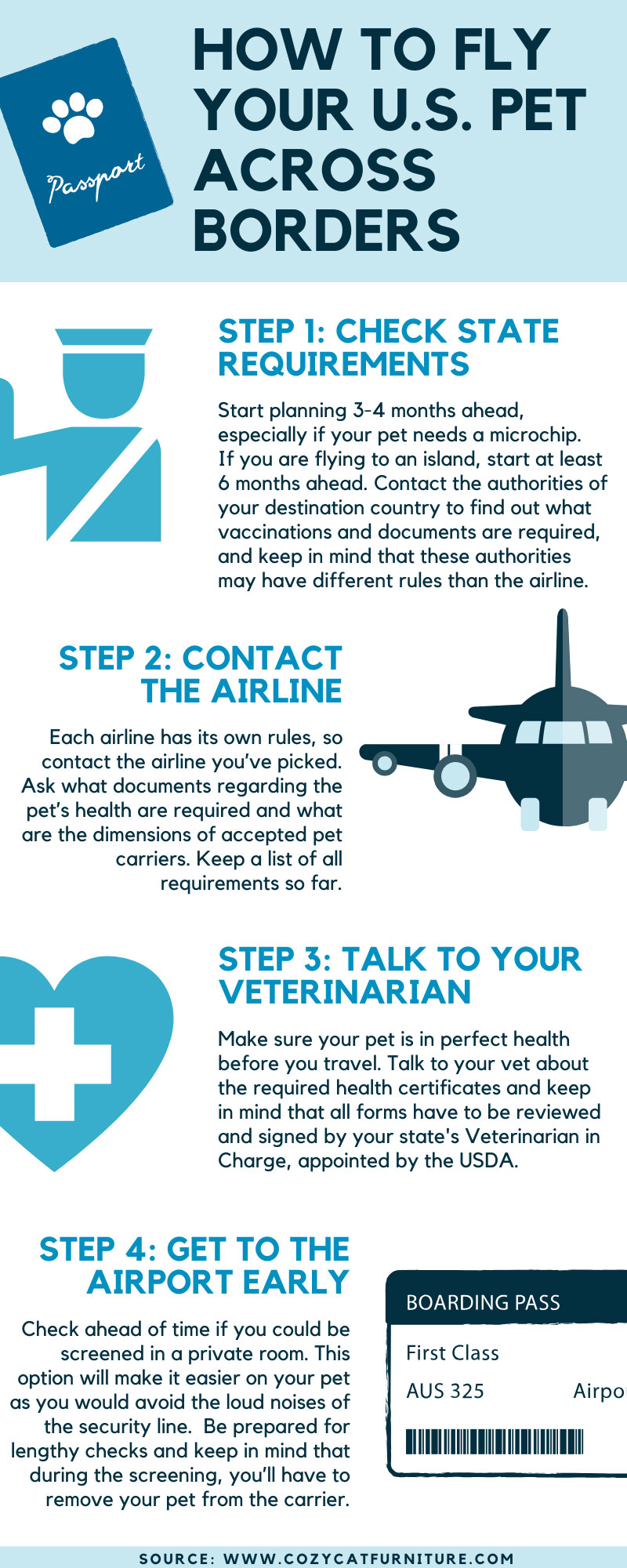
Imagine boarding a flight with your beloved feline companion, only to land in a country where your pet’s arrival is met with quarantine cells, microchipping mandates, and months of meticulous paperwork. Welcome to the labyrinthine world of pet import regulations, where some nations treat foreign animals with the same scrutiny as high-risk contraband. From Australia’s biosecurity fortress to Japan’s rabies-free utopia, these eight countries enforce some of the strictest pet import rules on the planet—rules designed not just to protect ecosystems, but to preserve centuries-old cultural and biological sanctity. Whether you’re a globetrotting pet owner or simply fascinated by the extremes of animal governance, prepare to have your perspective on international pet travel irrevocably shifted.
The Quarantine Capital: Australia’s Biosecurity Bastion
Australia doesn’t just welcome pets—it interrogates them. With its geographical isolation acting as both blessing and curse, the continent enforces a draconian import regime that can span up to 30 days in quarantine facilities. Dogs and cats must undergo a minimum 10-day quarantine upon arrival, regardless of their impeccable health records. The reason? Australia’s fragile ecosystem, which has evolved in splendid isolation, is uniquely vulnerable to foreign pathogens. Even a single lapse in documentation—such as an unscanned microchip—can trigger extended detention. Vaccination histories are scrutinized with the intensity of a financial audit, and imported pets must arrive via approved air routes, often requiring transits through designated hubs like Sydney or Melbourne. For owners, this means not just financial strain but emotional turbulence, as their companions are whisked away to sterile, kennel-like cells upon touchdown. The message is clear: Australia’s borders are not just lines on a map; they are impenetrable barriers to biological intrusion.
New Zealand’s Pristine Paradise: A Model of Vigilance
If Australia is a fortress, New Zealand is its even more meticulous neighbor. The island nation’s pet import laws are a symphony of precision, where every microchip, vaccination, and blood test is a note in a carefully orchestrated legal composition. Dogs and cats face a mandatory 10-day quarantine, but the real gauntlet begins long before arrival. Microchipping must occur before any vaccinations, and rabies vaccinations require a waiting period of at least 21 days post-inoculation. Blood tests for rabies antibodies follow, with results taking weeks to process. Even the packaging of pet food during transit is regulated—no raw meat allowed, lest it harbor pathogens. New Zealand’s approach is less about punishment and more about prevention, reflecting a national ethos of environmental purity. The result? A country where Fido and Fluffy can roam freely, but only after proving they pose no threat to the land of the long white cloud.
The United Kingdom’s Rabies-Free Utopia: A Paper Trail to Paradise
Brexit may have reshaped trade, but for pets entering the UK, the rules remain as rigid as ever. Since 2012, the UK has operated under the Pet Travel Scheme (PETS), a system designed to keep rabies—a disease the island has been free of since the 1920s—at bay. Dogs, cats, and ferrets must be microchipped, vaccinated against rabies, and treated for tapeworm (yes, tapeworm) between one and five days before entry. A blood test, known as an RNAT (Rabies Neutralising Antibody Test), is required for pets entering from non-approved countries, with a three-month waiting period post-test before travel. The UK’s rules are less about quarantine and more about bureaucratic rigor, where a single misplaced document can derail months of preparation. For expatriates returning home with pets, the process is a rite of passage—a gauntlet of paperwork that tests patience as much as it ensures safety.
Japan’s Rabies-Free Dream: A Nation’s Obsession with Purity
Japan’s pet import laws are the stuff of legend, a testament to the nation’s unyielding commitment to its rabies-free status. Since 2011, the country has enforced some of the most stringent requirements in the world, demanding not just microchipping and rabies vaccinations, but a full year of preparation. Dogs and cats must undergo a rabies antibody test at an approved laboratory, with results submitted to Japanese authorities for approval. Only then can they enter the country, where they face a mandatory 12-hour quarantine upon arrival. The process is so rigorous that some airlines refuse to transport pets to Japan unless owners can prove compliance months in advance. For Japanese pet owners returning from abroad, the reverse journey is equally daunting, with pets often quarantined for weeks upon re-entry. Japan’s rules are not just about health—they reflect a cultural reverence for purity, where even the slightest risk of disease is treated as an existential threat.

Singapore’s High-Tech Haven: Where Pets Are Passport Holders
In Singapore, pets aren’t just animals—they’re potential immigrants, subject to the same scrutiny as human visa applicants. The city-state’s Agri-Food & Veterinary Authority (AVA) enforces a system where every pet’s entry is a calculated risk assessment. Dogs from certain countries face a 30-day quarantine, while others may be subject to blood tests, vaccinations, and even breed-specific restrictions (yes, Singapore bans breeds like Pit Bulls). Microchipping is mandatory, and pets must arrive via approved airlines and routes. The AVA’s approach is hyper-modern, leveraging technology to track pets from cradle to quarantine cell. For expats, this means that bringing a pet to Singapore is less about spontaneity and more about meticulous planning. The message is clear: in Singapore, even your pet’s arrival is a matter of national security.
Norway’s Arctic Rigor: A Chilling Welcome for Foreign Pets
Norway’s pet import laws are a reflection of its harsh climate and equally harsh approach to animal health. Dogs and cats from non-EU countries face a mandatory 30-day quarantine, while those from EU nations must meet rigorous documentation standards. The country’s focus on preventing rabies and other zoonotic diseases is unwavering, with even minor lapses in paperwork resulting in extended detention. Norway’s rules are less about cultural quirks and more about biological pragmatism—after all, in a land where wolves and bears roam freely, the last thing the nation needs is an imported pathogen. For pet owners, this means that a move to Norway is not just a logistical challenge but a psychological one, where the joy of reunion is tempered by the cold reality of quarantine.
United Arab Emirates’ Desert Dilemma: Luxury Meets Bureaucracy
The UAE’s gleaming skyscrapers and opulent lifestyles extend even to its pet import regulations, which are as polished as they are perplexing. While Dubai and Abu Dhabi offer pet-friendly luxury, the path to entry is paved with paperwork. Dogs and cats must be microchipped, vaccinated, and tested for diseases like leishmaniasis and ehrlichiosis. Import permits are required, and pets must arrive via approved airlines and routes. The UAE’s rules are a blend of Western rigor and Middle Eastern bureaucracy, where even the most minor oversight can result in delays. For expats, this means that bringing a pet to the UAE is less about convenience and more about navigating a labyrinth of permits and permissions. The message is clear: in the land of excess, even your pet’s arrival must be meticulously planned.
Iceland’s Volcanic Vigilance: A Land Where Pets Are Scrutinized Like Volcanoes
Iceland’s pet import laws are as dramatic as its landscapes, where every potential risk is treated with the same gravity as a looming volcanic eruption. Dogs and cats from non-Nordic countries face a mandatory 30-day quarantine, while those from approved regions must still meet rigorous documentation standards. The country’s focus on preventing rabies and other diseases is absolute, with even minor lapses in paperwork resulting in extended detention. Iceland’s rules are less about cultural quirks and more about preserving its pristine environment, where the introduction of a single pathogen could have catastrophic consequences. For pet owners, this means that a move to Iceland is not just a logistical challenge but a high-stakes gamble, where the joy of reunion is tempered by the ever-present threat of quarantine.