Embarking on an astronomical journey invites more than just a glance at the night sky; it promises a profound shift in perspective. Traveling under the velvet canopy speckled with ancient suns is an experience that intertwines science, wonder, and the innate human desire to explore the cosmos. For the astro-tourist, venturing into the silent wilderness or obscure locales to witness celestial phenomena demands more than enthusiasm—it requires strategic planning, specialized gear, and digital tools that elevate stargazing from a simple pastime to an enthralling adventure. Here are nine indispensable astronomy travel hacks designed to transform your nights beneath the stars.
Timing Your Voyage: Choosing the Best Months for Stargazing
The celestial ballet unfolds differently across the calendar. Understanding which months cast the most enchanting views of the cosmos is paramount. Late autumn through early spring months typically offer the most transparent skies because of lower humidity and less atmospheric turbulence. In the northern hemisphere, October through March are prime for viewing prominent constellations like Orion and Cassiopeia, accompanied by brilliant planetary displays. Conversely, the southern hemisphere beholds the Magellanic Clouds and the dazzling Milky Way core more visibly during these months, especially between June and September.
But it isn’t only seasonal clarity that matters; astronomical events like meteor showers, eclipses, or planetary oppositions provide rare spectacles. Planning your trip around the Perseids in August or the Geminids in December can elevate your experience exponentially. Patience and a well-chosen date can turn an ordinary sky into the theater of cosmic grandeur.
Mastering Lunar Phases to Maximize Dark Sky Conditions
Light pollution isn’t solely about urban sprawl and artificial lights—it also comes from our closest celestial neighbor: the Moon. The lunar phase profoundly affects night sky visibility. New moon periods, when the Moon is hidden from Earth’s view, produce ideal darkness, revealing myriad stars and faint nebulae otherwise washed out.
Scheduling your expedition during a new moon week invites the most vivid star fields. Conversely, avoid planning stargazing during full Moon phases, where the lunar brilliance outshines almost all celestial bodies except for the brightest planets. This knowledge fine-tunes your trip timing, ensuring the subtle details of the cosmos sparkle unimpeded by lunar glare.
Curating Essential Gear for the Ultimate Astro-Tourist
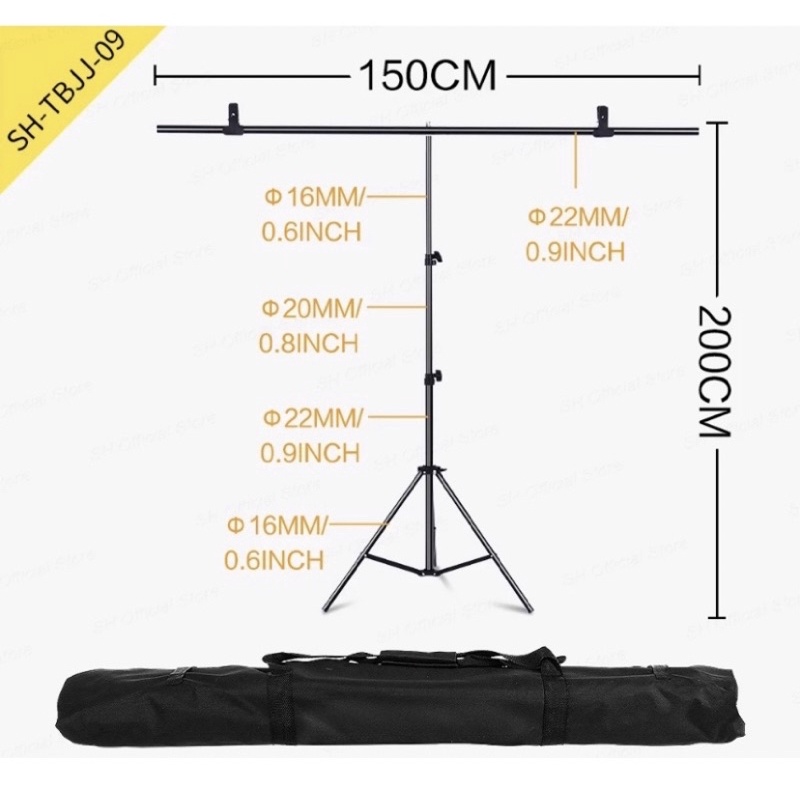
When traversing the stargazing landscape, sophisticated yet portable equipment becomes your trusted ally. A lightweight, high-quality telescope or binoculars with wide fields of view unlock hidden vistas, from open star clusters to distant galaxies. Equipping yourself with a sturdy, adjustable tripod stabilizes your observations, mitigating the frustration of shaky images during long viewing sessions.
Layered clothing designed for nocturnal chills is indispensable—temperatures plummet once the sun dips below the horizon. Specialized headlamps with red LED settings preserve night vision while allowing mobility. Furthermore, carrying a comfortable reclining chair or a compact mat can transform long stretches of sky gazing from a test of endurance into serene contemplation. Altogether, adept preparation ensures the night’s wonders reveal themselves in full glory.
Navigation Beyond the Naked Eye: Top Astronomy Apps to Illuminate Your Journey
Digital tools have revolutionized astronomical travel, bridging the gap between cosmic vastness and human comprehension. Apps equipped with augmented reality overlay star charts onto real-time night skies, allowing even novices to locate planets, constellations, and satellites with uncanny precision. These apps usually incorporate real-time celestial event alerts, so you never miss a rare alignment or transit.
Highly recommended are applications that operate offline, critical for remote locations where connectivity vanishes. Integration with your GPS enables targeted exploration of dark sky parks and remote observation points. These intuitive digital guides turn the vast, intimidating cosmos into an accessible and interactive spectacle.
Selecting Dark Sky Destinations to Escape Light Pollution
The essential pilgrimage of any astro-tourist is to escape the urban glow that suffocates celestial brilliance. Seeking out internationally recognized Dark Sky Parks or local spots known for minimal light pollution can radically alter your experience. These havens of velvety darkness unlock views of the Milky Way, zodiacal light, and meteor showers in unprecedented clarity.
Planning travel to isolated mountain ranges, desert expanses, or coastal promontories often affords the highest-quality observing conditions. Distant from artificial illumination, these pristine locations allow the cosmos to illuminate your night, evoking feelings of insignificance and infinite wonder in equal measure.
Optimizing Observation Techniques: Patience and Adaptation
Astro-tourism demands more than equipment and location; it commands a mindset of patience and adaptability. Your eyes require at least 20-30 minutes to adjust fully to darkness, during which time roadside headlights or phone screens can irreparably disrupt night vision. Training yourself to gaze peripherally can reveal faint stars invisible in direct view due to the distribution of rod cells in the retina.
Understanding atmospheric conditions—like transparency and seeing—also helps choose when to observe specific celestial targets. Low air turbulence offers crisper images, while high transparency means fewer moisture and particulate obstructions. Adapting your plans as weather evolves will maximize the astronomical bounty of your travels.
Photographing the Night Sky: Essential Tips for Celestial Imaging
Capturing the cosmic spectacle through photography offers a tangible keepsake of your voyage. Long exposure techniques can reveal star trails, aurora borealis, or the faint nebulosity invisible to the naked eye. Using a camera with manual settings allows control over ISO, shutter speed, and aperture to best capture faint light sources.
Stabilization is critical—tripods and remote shutter releases minimize vibrations. Additionally, scouting your location during daylight allows careful composition, avoiding obstructions on the horizon and planning foreground interest. While astrophotography can demand technical savvy, mastering even basic techniques transforms your experience from watching to immortalizing the universe.
Synchronizing with Local Culture and Environment
Astro-tourism rarely occurs in isolation. Many dark sky sites coexist alongside indigenous communities or rural settlements whose cultural narratives are enriched by celestial lore. Engaging with local guides can illuminate traditional star myths and cosmic calendars, adding depth to the astronomical experience.
Environmental stewardship is also paramount; travelers must respect fragile ecosystems and minimize impact by following Leave No Trace principles. This mindfulness ensures these celestial paradises remain unmarred for future stargazers.
Preparing for Safety and Comfort in Remote Settings
Venture beyond urban climes, and pragmatic considerations surface. Remote observation points often entail rugged terrain, extreme temperatures, and limited amenities. Preparation extends to carrying sufficient hydration, weather-appropriate attire, and emergency medical kits. Informing contacts of your itinerary ensures assistance if unforeseen issues arise.
Moreover, digital star maps and GPS devices mitigate navigational risks but having physical maps and compass as backups ensures resilience in the event of technological failure. With safety meticulously addressed, the cosmic show can unfold with peace of mind sweeping across the night horizon.
Armed with timing, gear, apps, and mindful strategies, the astro-tourist embarks on a transformative odyssey. Each night beneath the profound expanse reconfigures the mind’s compass, inspiring awe and humility. The stars, long a source of human mystery, become intimate companions whose stories unfold across the dark canvas of your journey.