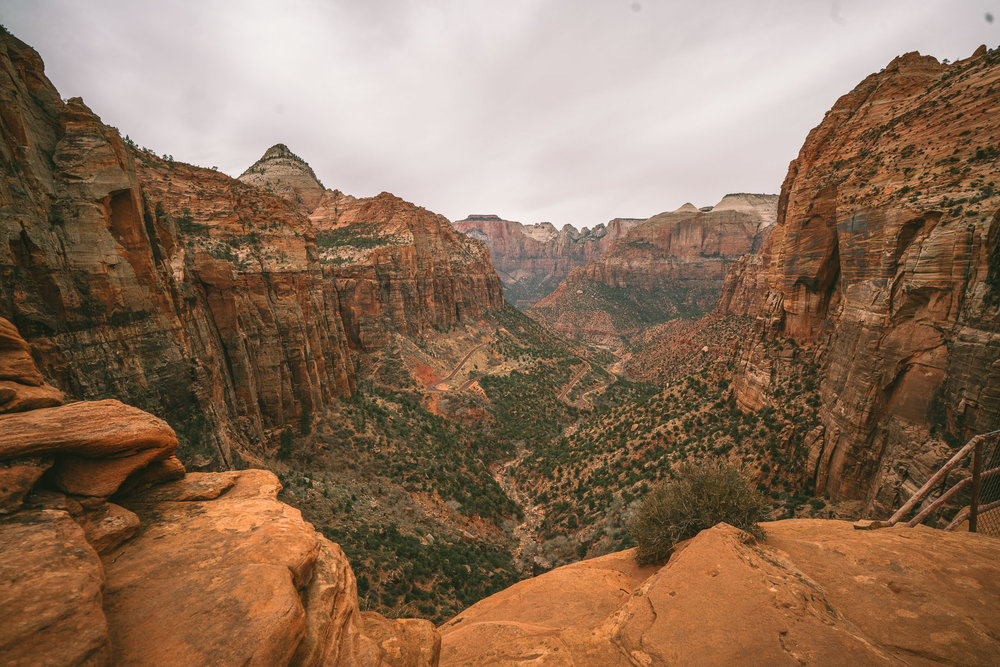
As night drapes its velvet cloak over the towering peaks, the mountains reveal their most enigmatic secret: an unadulterated celestial symphony. Stargazing in these elevated sanctuaries is akin to stepping through a cosmic portal, where the heavens are laid bare in a scintillating tapestry of light, free from the murmur of the lower world. The thin, crystalline air at high altitudes sharpens the brilliance of distant constellations and galaxies, transforming the sky into a cathedral of infinity. Here are six enthralling mountain locales that elevate the art of stargazing into an almost transcendental experience.
Mauna Kea, Hawaii: The Summit Where Stars Whisper
Nestled high above the tropical clouds, Mauna Kea emerges as an astral amphitheater perched nearly 14,000 feet above sea level. The summit’s pristine atmosphere acts like a cosmic lens, revealing stars as if they were punctures in the fabric of night itself. Observatories lie scattered across this dormant volcano, testaments to humanity’s relentless pursuit to decode the universe’s secrets. Visitors can witness the sky in its purest form, an unblemished mosaic where the Milky Way stretches like a silver river. The mountain’s isolation from urban glow further accentuates the ethereal glow of countless celestial bodies, offering a spectacle both humbling and sublime.
Rocky Mountain National Park, Colorado: Where Earth Meets the Cosmos
The Rocky Mountains drape the skylines with jagged silhouettes that cultivate a theatre of darkness crucial to stellar clarity. This national park is renowned for its exceptional air quality and minimal light pollution, which conjures an intimate dialogue between earthbound peaks and the infinite cosmos above. At elevations surpassing 12,000 feet, the atmosphere’s rarity sharpens the stars’ twinkle into crystalline pinpoints. The nocturnal canopy here is a playground for astronomers and dreamers alike; meteor showers cascade with crystalline intensity, and planets emerge as celestial sentinels, anchoring the heavens with their steadfast glow.
Atacama Desert Highlands, Chile: The Celestial Frontier
Stretching into one of the world’s driest deserts, the Atacama Highlands float on a plateau above 9,000 feet, where the heavens seem to unspool endlessly. The paucity of atmospheric moisture and pollution crafts an extraordinary vantage point, unmatched in its clarity and breadth. This is where the stars unveil their nuances in vivid detail—nebulae glow with ghostly chromaticity; spiral galaxies shimmer like distant lanterns. The vast, desolate landscape strips away worldly distractions, drawing observers into a stillness that mirrors the infinite calm of the cosmos. Here, stargazing transcends observation and evolves into a silent communion with the universe itself.
Alps, Switzerland: Peaks of Heavenly Luminescence
The Swiss Alps, with their snow-swathed summits and crystalline air, provide a breathtaking stage for nocturnal starshows. The high-altitude villages and alpine meadows, far removed from the glare of metropolitan centers, offer sanctuaries for star enthusiasts to immerse themselves in the night’s embrace. Above 8,000 feet, the atmosphere becomes a celestial canvas, against which stars and planets punctuate the darkness with an almost palpable luminosity. The Alps’ rugged terrains and serene lakes reflect starlight in a quiet binary dance, as constellations appear to navigate the mountains’ jagged crests, weaving terrestrial and cosmic beauty into one.
Himalayas, India and Nepal: The Roof of the World’s Astronomy
The Himalayas, towering as the Earth’s supreme spine, push the limits of human perspective both physically and metaphysically. At elevations exceeding 14,000 feet, the stratosphere thins, releasing a night sky of unparalleled profundity. Here, the veil of atmospheric interference grows sheer, and stars project their brilliance with intensified fervor. The vast mountain ranges provide remote vantage points where the silence is profound and the darkness pure, fostering an environment ripe for deep stargazing immersion. Watching the nocturnal procession of celestial luminaries against the icy slopes is an experience that reverberates with ancient mysticism and modern awe, as if the universe itself descends to meet Earth’s pinnacle.
Sierra Nevada, California: A Celestial Sanctuary in the West
The Sierra Nevada mountain range, with its rugged ridges and expansive wilderness, is a stargazer’s sanctuary carved from the West’s wild heart. Its higher elevations—towering above 10,000 feet—boast remarkable atmospheric transparency and reduced light interference. This celestial alcove unleashes spectacular views where galaxies swirl in distant spirals and the zodiac constellations parade poignantly across the vast dome above. Particularly from spots like the John Muir Wilderness or Mount Whitney trailheads, watchers can surrender to the cosmos’ grand narrative, feeling the inherent rhythm of the night’s silent, sparkling orchestra.