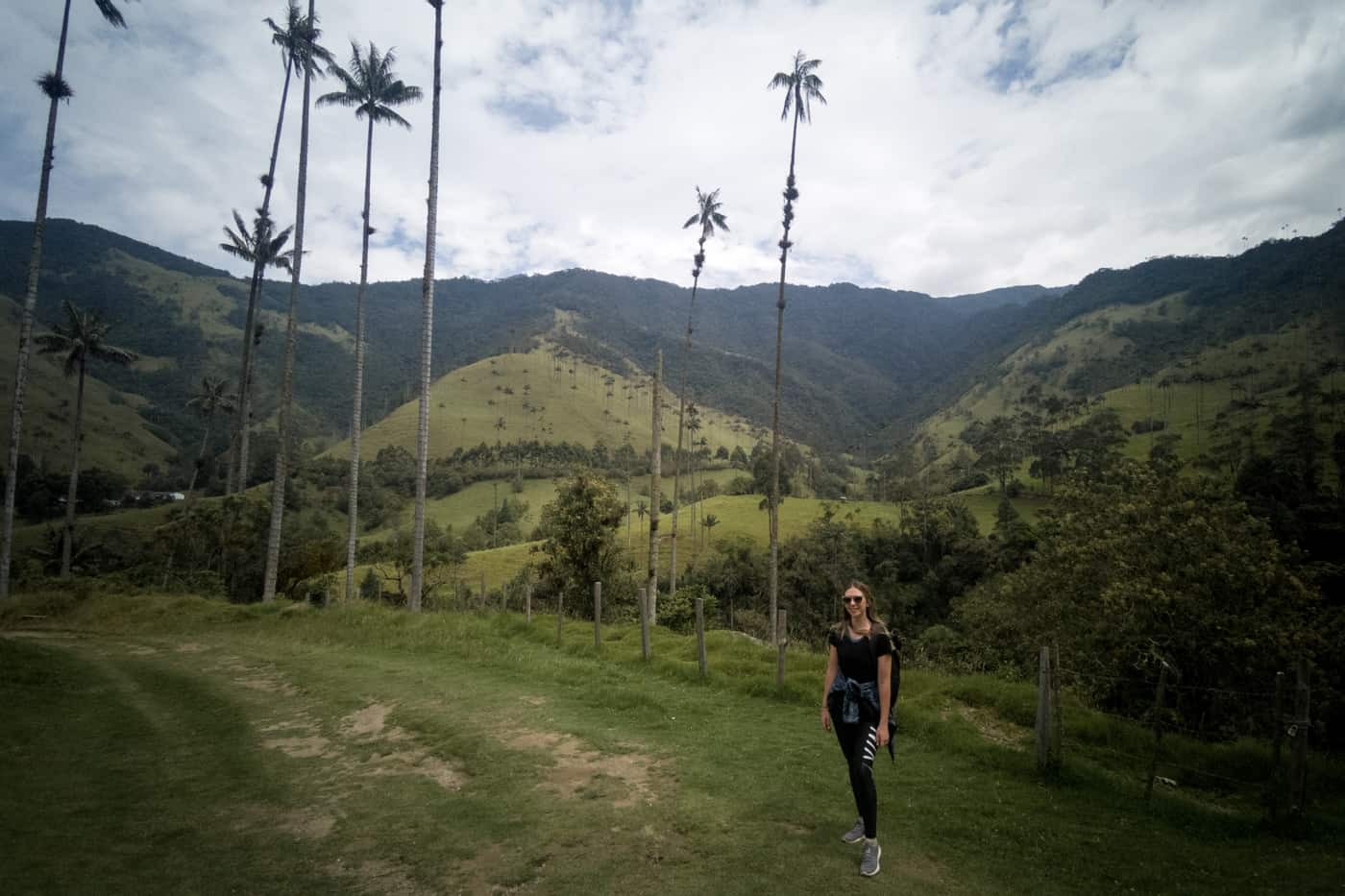
Colombia’s solo travel scene radiates a magnetic aura that draws independent explorers into its diverse landscapes, bustling cities, and welcoming communities. The country functions like a living tapestry, each thread—whether a mist‑clad mountain, a rhythmic salsa beat, or a steaming cup of café de olla—offering a distinct pattern for the lone wanderer to follow. Below are the key elements that shape the singular charm of traveling alone in Colombia.
1. The Andean Peaks as Silent Guides
High above the valleys, the Andes act as towering sentinels, directing solo travelers toward introspection and adventure. Trekking routes such as the Ciudad Perdida trail provide clear markers and occasional communal camps, ensuring that even in isolation, hikers remain connected to a network of fellow explorers who share the same mountain pathways.
2. Bogotá’s Urban Mosaic
The capital’s streets form a patchwork of colonial charm and modern flair, offering solo travelers a safe, well‑lit environment to navigate. Public transportation, especially the TransMilenio bus system, operates like a circulatory system, efficiently delivering visitors to neighborhoods like La Candelaria, where history and street art converge in a walkable, self‑guided experience.
3. Language as a Bridge
Spanish functions as the primary bridge across Colombia’s varied regions, yet the country’s reputation for linguistic hospitality eases communication for non‑native speakers. Language exchange cafés and free walking tours frequently offer English translations, allowing solo adventurers to engage with locals without feeling linguistically stranded.
4. The Caribbean Coast’s Open‑Air Stage
Santa Marta, Cartagena, and the lesser‑known Tayrona National Park serve as open‑air stages where solo travelers can perform their own story. Sun‑kissed beaches, vibrant nightlife, and organized group excursions create a fluid mix of privacy and communal activity, ensuring that solitude never feels like isolation.
5. Coffee Region’s Warmth
The Sierra Nevada de Santa Marta’s coffee plantations exude a comforting warmth comparable to a fresh brew. Solo visitors can join farm tours that include hands‑on harvesting and tasting sessions, fostering connections with growers who welcome curious individuals into their daily rituals.
6. Safety Net of Hostels and Co‑Working Spaces
Modern hostels and co‑working hubs across cities like Medellín act as safety nets, providing secure lodging, reliable Wi‑Fi, and communal kitchens. Their structured social calendars—movie nights, city walks, language tables—offer solo travelers opportunities to mingle organically while maintaining personal space.
7. Medellín’s Transformation Narrative
Once known for turbulence, Medellín now stands as a living metaphor for personal reinvention, mirroring the solo traveler’s journey. The city’s MetroCable system connects hillside neighborhoods to the downtown core, symbolizing how individual effort can elevate one’s perspective while still remaining accessible to all.
8. Salsa as a Universal Rhythm
Music and dance serve as universal translators in Colombia. Salsa clubs in Cali and Bogotá invite solo dancers to join circles, where rhythmic patterns replace language barriers. The structured steps provide a comfortable framework for newcomers to blend into the local nightlife without prior experience.
9. Ecotourism and Sustainable Practices
Colombian ecotourism initiatives prioritize low‑impact travel, encouraging solo adventurers to partake in conservation projects. Programs in the Amazon basin and the Chocó rainforest combine guided treks with volunteer opportunities, making solitary travel environmentally responsible and socially meaningful.
10. Culinary Exploration as a Sensory Map
From arepas in the high plains to ceviche on the Pacific coast, Colombia’s cuisine offers a sensory map for the independent palate. Street food markets double as safe meeting points where solo diners can sample regional specialties while observing the daily rhythm of local life.
11. Festivals as Temporal Landmarks
Annual celebrations like the Carnival of Barranquilla act as temporal landmarks, providing structured events that draw crowds from across the nation. Solo travelers can plan their itineraries around these festivals, ensuring a blend of organized festivities and spontaneous encounters.
12. The Spirit of “Paisa” Hospitality
In the Antioquia region, the “paisa” attitude—characterized by generosity and outspoken friendliness—creates an atmosphere where solo travelers are often invited into homes for coffee or offered directions with genuine enthusiasm. This cultural openness reinforces the notion that traveling alone in Colombia is never truly solitary.