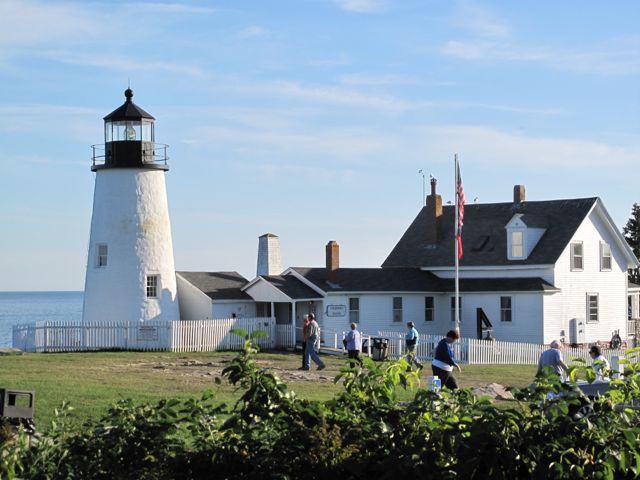
Ever wondered what it would feel like to drift off to sleep with the Atlantic’s roar as your night‑time lullaby? Maine’s historic lighthouses offer more than a view; they promise an immersive experience where the walls themselves have guided mariners for centuries. Below are three lighthouse rentals that let you step inside a beacon’s keep, plus a handful of practical considerations and challenges to test your seaside stamina.
1. Portland Head Light – Cape Elizabeth
Located on the iconic cliffs of Fort Williams Park, Portland Head Light transforms its keeper’s quarters into a modest one‑bedroom retreat. The stone‑capped cottage retains original wood paneling, a brass lantern‑style lamp, and a small kitchenette stocked with local cranberry jam. Guests receive a private key to the lighthouse door and a lighthouse‑logbook entry for their stay. While the sea views dominate the front porch, the interior offers a quiet, insulated haven that stays cool in summer and retains heat through winter’s bite.
2. West Quoddy Head Light – Lubec
At the easternmost point of the United States, West Quoddy Head Light offers a compact two‑room loft within the historic keeper’s house. The loft features floor‑to‑ceiling windows that frame the dramatic rise of the Atlantic, especially during sunrise. A stone fireplace remains functional, allowing guests to toast marshmallows while listening to waves crash against the rocky shoreline. The property includes a short, sandy trail that leads directly to the lighthouse’s lantern room, where you can climb the spiral staircase for panoramic views.
3. Marshall Point Light – Port Clyde
Marshall Point Light’s refurbished caretaker’s cottage provides a cozy three‑bedroom escape perfect for families or small groups. The cottage combines rustic pine beams with modern conveniences such as Wi‑Fi and a full kitchen stocked with locally sourced seafood seasonings. A short walk takes you to the lighthouse’s base, where a private path grants access to the lantern and a tide‑pool observation deck. Night‑time is particularly magical: the beacon’s flash can be seen from the porch, creating a rhythmic backdrop to your evening routine.
4. How to Secure Your Stay During Peak Season
The demand for lighthouse rentals spikes between June and September, when maritime festivals and coastal tours attract visitors from across the country. Booking at least three months in advance is advisable, as many properties cap occupancy to preserve the historic integrity of the structures. Expect a higher deposit requirement—typically 30 % of the total cost—because of the delicate nature of the properties.
5. Navigating Staircases: A Physical Challenge
All three lighthouse rentals feature steep, narrow staircases that wind vertically through the keeper’s quarters. While the steps are sturdy, they can be slippery when damp. Guests should wear non‑slip footwear and be prepared for a modest cardio workout each morning when climbing to the lantern room. The descent can be equally taxing, especially after a late‑night snack, so planning rest stops is essential.
6. Weather Preparedness: Expect the Unexpected
Maine’s coastal climate shifts rapidly; fog can roll in within minutes, and winds often exceed 30 mph during the fall. It is wise to bring layered clothing, waterproof boots, and a wind‑resistant jacket. Most lighthouse rentals provide emergency blankets and a battery‑operated lantern, but personal gear ensures comfort during sudden weather changes.
7. Local Wildlife Encounters
The surrounding grounds of each lighthouse serve as habitats for seabirds, seals, and occasional porpoises. Nighttime sightings of distant whale songs are not uncommon near West Quoddy Head Light. While wildlife enriches the stay, visitors should keep a respectful distance and avoid feeding animals, adhering to local conservation guidelines posted at each site.
8. Culinary Options: From Sea‑to‑Table to Campfire
All three rentals include basic kitchen facilities, but regional specialties can elevate the experience. Porter’s fresh lobster caught nearby can be boiled in the kitchen’s pot, while the nearby farmer’s market supplies organic berries for breakfast. For a true lighthouse experience, each property offers a designated fire pit where you can grill fish or roast marshmallows under the flashing beacon.
9. Photography Restrictions and Opportunities
While the exterior of each lighthouse is open for photography, interior shots may be limited to protect historic artifacts. Guests are encouraged to capture sunrise from the lantern rooms, where the angle of light creates dramatic silhouettes against the ocean. A tripod and a wide‑angle lens will help maximize the sweeping vistas, but be mindful of any posted “no flash” signs inside the keeper’s quarters.
10. Accessibility Considerations
Because these structures predate modern building codes, they are not fully ADA‑compliant. The steep stairs and narrow doorways limit access for guests with mobility challenges. However, each site offers a ground‑level guest house or nearby alternative accommodation for those who need a more accessible option while still enjoying the lighthouse ambiance.
11. Night‑Time Beacon Viewing: A Quiet Challenge
One of the most coveted experiences is watching the lighthouse’s light cut through the night fog. The challenge lies in timing: the beacon flashes at a specific interval—usually every 10 seconds—so guests must position themselves at the optimal viewing spot. Patience and a keen eye are required, especially when the tide is high and the shoreline recedes.
12. Sustainability Practices at Each Rental
All three lighthouse properties have adopted eco‑friendly measures. Composting bins for kitchen waste, low‑flow showerheads, and solar‑powered exterior lighting reduce the environmental footprint. Guests are asked to participate by separating recyclables and minimizing water usage, ensuring the historic sites remain preserved for future generations.
13. Departure Checklist: Preserving History
Before checking out, guests must complete a brief inspection checklist: return any borrowed historical artifacts, ensure fire pits are fully extinguished, and confirm that all windows and doors are securely locked. A final walkthrough with the property manager helps confirm that the lighthouse’s integrity remains intact, allowing the next visitor to enjoy the same timeless experience.