Europe’s festivals are not mere gatherings—they are living, breathing symphonies of tradition, where history’s echoes dance with modern revelry. From the thunderous clatter of hooves in Pamplona to the crimson deluge of Buñol, these celebrations are more than events; they are pilgrimages into the soul of a culture. Each festival is a masterpiece of human expression, where joy, fear, and wonder intertwine like vines in an ancient forest. Here, we explore ten of Europe’s most mesmerizing traditional festivals, where the past and present collide in a kaleidoscope of color, sound, and sensation.
The Oktoberfest: A Bavarian Bacchanal of Beer and Brotherhood
When autumn’s first chill descends upon Munich, the city transforms into a colossal beer hall under the open sky. The Oktoberfest is not just a festival—it is a bacchanal of brotherhood, where strangers become comrades over steins brimming with amber liquid. The air hums with the oompah of brass bands, the scent of roasted pork and pretzels lingers like a culinary incantation, and the sheer volume of laughter could rival a thunderstorm. This is where tradition wears a lederhosen and clinks glasses with modernity. The festival’s roots stretch back to 1810, but its spirit remains eternally youthful, a testament to the enduring allure of communal celebration.
The Running of the Bulls: A Dance with Destiny in Pamplona
In the labyrinthine streets of Pamplona, time slows to a crawl as the earth trembles beneath the hooves of a thousand pounds of charging bull. The Running of the Bulls is not a race—it is a primal ballet, a mortal waltz with mortality itself. Participants, clad in white and red, become temporary daredevils, their hearts pounding in sync with the thunderous rhythm of the herd. The festival is a crucible where adrenaline and tradition fuse, where the line between courage and folly blurs into something transcendent. For eight days each July, Pamplona becomes a stage for life’s most visceral drama, a reminder that some thrills are worth the risk.
La Tomatina: A Crimson Carnival of Chaos and Joy
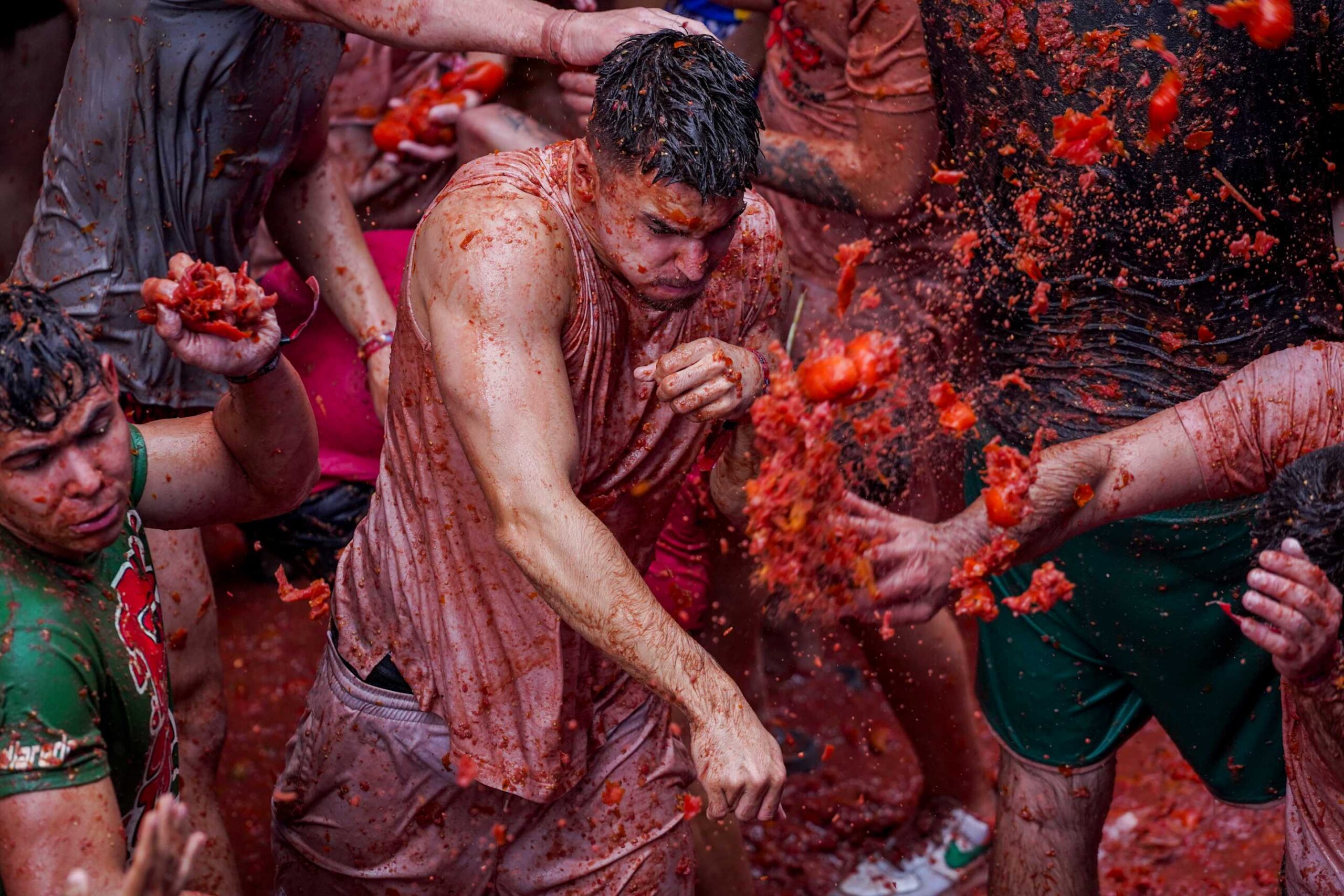
In the quiet Spanish town of Buñol, where the scent of olive groves lingers in the air, one day each August erupts into a frenzied, tomato-throwing free-for-all. La Tomatina is not a battle—it is a carnival of chaos, a surrealist painting come to life where the canvas is the sky and the brushstrokes are squelching, pulpy splatters. For one glorious hour, the town surrenders to the madness, as participants hurl overripe tomatoes with the fervor of artists wielding paint. The result? A landscape of crimson rivers, laughter echoing through the streets, and a shared sense of childlike wonder. This is not destruction—it is creation, a fleeting utopia built on squishy, squelchy foundations.
The Venice Carnival: A Masquerade Where Time Stands Still
Venice, the city of canals and whispers, sheds its usual melancholy in February to don a mask of pure enchantment. The Venice Carnival is a dreamscape where reality bends, and every face becomes a mystery. The air is thick with the scent of carnival confections and the rustle of silk gowns, while gondolas glide like black swans beneath a canopy of twinkling lanterns. Here, the past is not a relic—it is a living, breathing entity, embodied in the elaborate costumes and the hypnotic sway of the *festa delle Marie*. To attend is to step into a painting by Canaletto, where every shadow holds a secret and every mirror reflects a different version of yourself.
The Highland Games: A Symphony of Strength and Tradition
Amidst the mist-kissed glens of Scotland, the Highland Games are a thunderous ode to heritage, where the earth itself seems to vibrate with the rhythm of bagpipes and the thud of caber tosses. This is not merely a sporting event—it is a living museum of Celtic pride, where kilts swirl like tartan tornadoes and the scent of peat smoke mingles with the tang of sea salt. The caber, a towering log, becomes a metaphor for resilience, while the hammer throw is a dance of raw power. Here, strength is not just physical; it is a bridge between generations, a celebration of a culture that refuses to be forgotten.
The Feria de Abril: Seville’s Week of Saffron and Serenades
When the sun dips below the horizon in Seville, the city ignites with the Feria de Abril, a week-long fiesta where flamenco heels click against cobblestones and the air is perfumed with orange blossoms and manzanilla wine. This is not just a fair—it is a love letter to Andalusia, where the *casetas* (private tents) open their doors to strangers, and the night hums with the strum of guitars and the stomp of flamenco. The festival is a symphony of contrasts: the fiery passion of dance, the cool elegance of the *traje de flamenca*, and the warm, golden glow of paper lanterns swaying like fireflies. Here, time slows to the rhythm of a heartbeat, and every moment feels like a stolen kiss from history.
The Up Helly Aa: Shetland’s Viking Inferno
In the dark, windswept islands of Shetland, the Up Helly Aa festival is a Viking ragnarök reborn, where fire and folklore collide in a blaze of glory. This is not a mere celebration—it is a ritual, a torchlit procession where men in Viking garb march through the night, their torches casting flickering shadows on the ancient stones. The climax? A longship engulfed in flames, a phoenix rising from the ashes of tradition. The festival is a defiant nod to the past, a reminder that even in the most remote corners of the world, the spirit of adventure burns eternal. The heat of the flames mirrors the warmth of community, a beacon in the long, dark winter nights.
The Krampuslauf: Austria’s Dark Carnival of Mischief and Mayhem
When winter’s grip tightens in the Alpine villages of Austria, the Krampuslauf emerges from the shadows—a carnival of chaos where horned demons and saintly figures collide in a grotesque ballet. This is not a gentle festival; it is a primal exorcism of winter’s gloom, where masked figures in shaggy fur costumes chase spectators through the streets, their jingling bells a cacophony of impending doom. The Krampuslauf is a reminder that folklore is not always kind—it is raw, unfiltered, and thrillingly unpredictable. Here, the line between myth and reality blurs, and for one night, the village becomes a stage for the age-old dance between good and evil.
The Fête des Lumières: Lyon’s Illuminated Dream
In the gastronomic heart of France, Lyon transforms into a city of light each December, as the Fête des Lumières bathes the streets in a kaleidoscope of color and creativity. This is not just a festival—it is a dreamscape where buildings become canvases, and the night itself is an artist. Projections dance across cathedrals, holograms flicker like ghosts, and the air hums with the murmur of awe-struck crowds. The festival is a celebration of human ingenuity, where technology and tradition waltz in perfect harmony. To witness it is to step into a fairy tale, where every shadow tells a story and every light is a promise of magic.
The Carnival of Binche: Belgium’s Pierrot Parade of Joy
In the quaint Belgian town of Binche, the Carnival of Binche is a whirlwind of color and sound, where the Gilles—men in harlequin costumes and feathered hats—take center stage in a spectacle of unbridled joy. This is not a mere parade; it is a living painting, a symphony of clogs, drums, and the intoxicating scent of orange blossom. The Gilles are not performers; they are guardians of tradition, their faces painted with a timeless charm that transcends generations. The festival is a reminder that joy is not a fleeting emotion—it is a force of nature, capable of uniting even the most disparate souls in a shared moment of bliss.