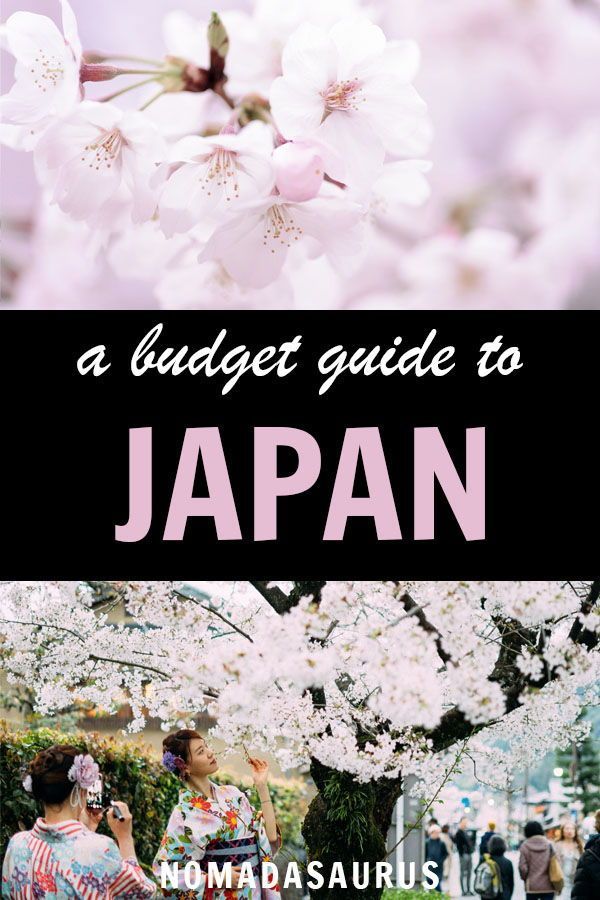
Can you truly explore the highlights of Japan while keeping your budget to just $50 a day? The answer is a resounding yes—if you plan wisely, stay flexible, and embrace the adventure of backpacking. Below is a practical, step‑by‑step guide that lays out the essential strategies, tips, and tricks to make your Japanese journey both unforgettable and affordable. Ready to accept the $50‑a‑day challenge?
1. Craft a Lean Daily Budget Spreadsheet
Before you set foot on Japanese soil, create a simple spreadsheet that allocates funds for accommodation, transport, food, attractions, and miscellaneous expenses. Aim for $30 on lodging and transport combined, $10 for meals, and $10 for entry fees or souvenirs. Tracking each category daily prevents overspending and helps you adjust on the fly.
2. Secure a Japan Rail Pass or Regional Discount Ticket
The nationwide Japan Rail (JR) Pass can be pricey, but a 7‑day regional pass—such as the JR East or Kansai Area Pass—often costs under $100 and pays for itself after a few long-distance trips. Purchase the pass online before arrival to lock in the best rate, then use it for high‑speed Shinkansen rides, local trains, and some buses, dramatically reducing your transport budget.
3. Choose Capsule Hotels and Hostels Over Traditional Ryokans
Capsule hotels and youth hostels dominate the budget accommodation market in cities like Tokyo, Osaka, and Kyoto. Prices range from $15 to $30 per night for a dormitory bed, often including free Wi‑Fi, lockers, and communal kitchens. For a touch of local culture without breaking the bank, book a single‑room capsule in a capsule hotel that offers shower facilities and a lounge area.
4. Cook Simple Meals in Shared Kitchens
Dining out for every meal quickly exhausts a $50 budget. Opt for hostels with shared kitchens and purchase affordable staples—rice, noodles, eggs, and seasonal vegetables—from local supermarkets or convenience stores (konbini). A bowl of udon or a quick onigiri (rice ball) costs under $2, and you can stretch a single grocery haul across multiple meals.
5. Leverage Free Attractions and Public Parks
Japan boasts countless free or low‑cost experiences: stroll through the historic streets of Gion in Kyoto, explore the Meiji Shrine grounds in Tokyo, or hike the scenic trails of Mount Takao. Many museums offer free admission on specific days—check their websites in advance to align your itinerary with these opportunities.
6. Use IC Cards for Seamless, Discounted Transit
IC cards like Suica (Tokyo) and Icoca (Kansai) simplify travel across trains, subways, and buses. Load them with cash and receive a modest discount on each ride compared to buying single tickets. The cards are also accepted at many vending machines, convenience stores, and even some restaurants, minimizing the need for cash transactions.
7. Take Advantage of Discounted Night Buses
Long‑distance night buses connect major cities for as little as $20 one‑way. While they sacrifice a night’s sleep, they double as transportation and accommodation, allowing you to save $30‑$50 on a hostel night. Popular routes include Tokyo to Osaka, Osaka to Fukuoka, and Kyoto to Sapporo.
8. Embrace Local Street Food for Authentic Flavors
Street vendors and food stalls (yatai) serve up iconic dishes—takoyaki, yakitori, taiyaki—at prices ranging from $1 to $4. These bite‑size portions provide a genuine taste of Japanese cuisine without the overhead of restaurant dining. Pair a snack with a bottle of cheap yet tasty Japanese beer for a satisfying and inexpensive meal.
9. Prioritize Low‑Cost Cultural Experiences
Many temples and shrines request a modest donation of $1‑$5, granting access to tranquil gardens and historic architecture. Participate in a free tea ceremony demonstration or attend a local festival (matsuri) where entrance is free and the atmosphere is vibrant. Such experiences deliver cultural depth without inflating your budget.
10. Purchase a Discounted Data SIM or Portable Wi‑Fi
Staying connected is essential for navigation and budget tracking. Buying a short‑term data SIM or renting a pocket Wi‑Fi device costs around $10‑$15 for a week, far cheaper than relying on paid Wi‑Fi hotspots. Unlimited data plans ensure you can quickly check train schedules, restaurant reviews, and budget apps on the go.
11. Set Daily Spending Limits and Challenge Yourself
To stay within the $50 cap, set a hard limit for each category—no more than $30 on transport and lodging, $10 on food, and $10 on activities. At the end of each day, review your expenses; if you overspend, adjust the next day’s budget accordingly. This self‑imposed challenge sharpens your budgeting skills while encouraging creative problem‑solving.
12. Pack Light, Travel Smart, and Avoid Extra Fees
Airlines and trains often charge for oversized luggage. Keep your backpack under 10 kg and fit within the standard cabin‑size dimensions. Packing versatile clothing layers, a reusable water bottle, and a compact travel towel eliminates the need for costly purchases en route, preserving your daily $50 allowance.