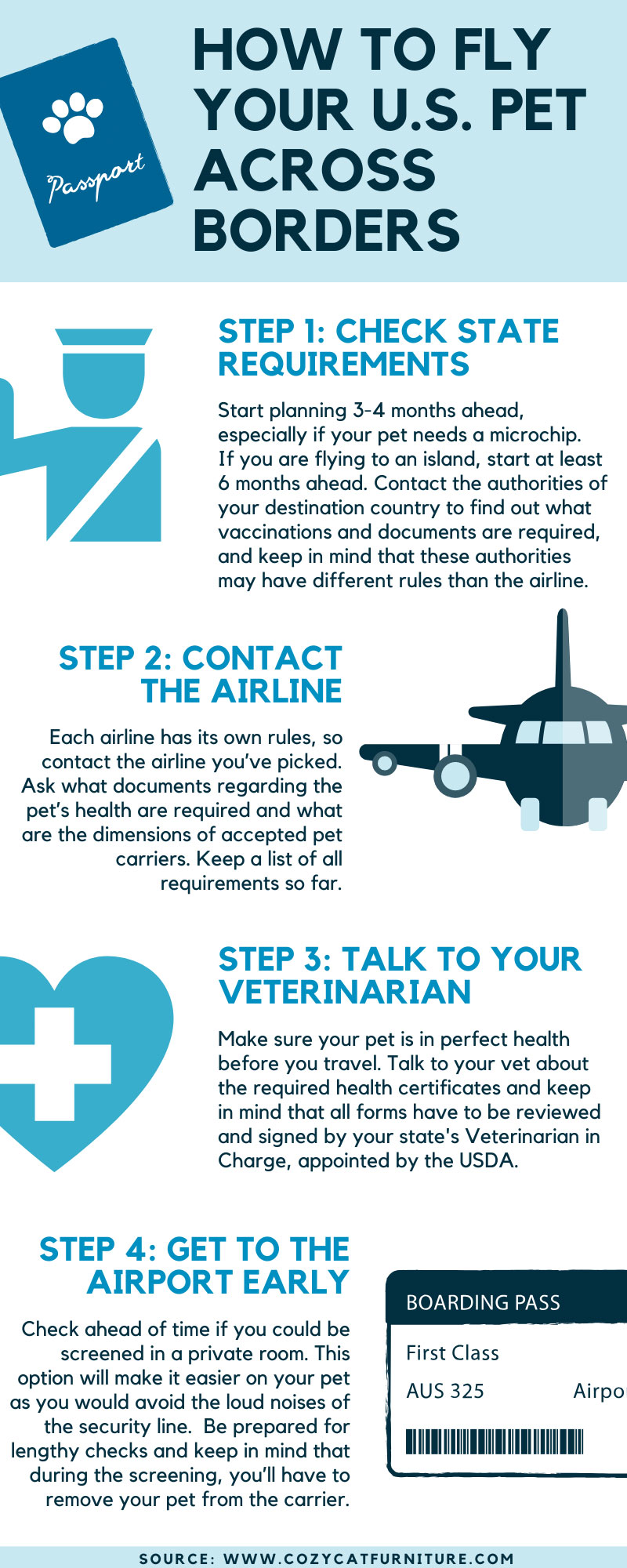
Traveling internationally with pets has become increasingly common, yet the complexities of navigating different countries’ regulations can be daunting. From banned breeds to strict weight limits, each destination imposes unique restrictions that often reflect deeper cultural, historical, and even economic priorities. Understanding these rules isn’t just about compliance—it’s about ensuring your pet’s safety while avoiding unexpected hurdles. Whether you’re relocating for work, embarking on a long-term adventure, or simply visiting, knowing the nuances of pet travel policies can save you time, stress, and potential heartache. Below, we explore nine key international destinations, dissecting their pet travel requirements to help you prepare with confidence.
The United States: A Patchwork of State and Federal Rules
The U.S. presents a fragmented landscape where federal guidelines coexist with state-specific mandates. While the CDC and USDA regulate the entry of dogs, cats, and other animals, individual states may impose additional restrictions. For instance, Hawaii enforces a stringent 120-day quarantine for pets without proper documentation, a policy rooted in its isolated ecosystem’s vulnerability to rabies. Meanwhile, states like New York and California have banned certain breeds—such as Pit Bulls and Rottweilers—under the guise of public safety, though critics argue these laws disproportionately target low-income communities. Weight limits for in-cabin travel on airlines like Delta and United typically cap pets at 20 pounds, though exceptions exist for service animals. The deeper fascination here lies in how America’s love for pets clashes with its historical anxieties about immigration and disease control, revealing a nation grappling with identity and security.

Canada: The Quietly Strict Northern Neighbor
Canada’s pet import regulations are often praised for their clarity, but beneath the surface lies a labyrinth of micro-details. The Canadian Food Inspection Agency (CFIA) requires all dogs and cats to be microchipped, vaccinated against rabies, and accompanied by a valid health certificate issued within 10 days of travel. Breed-specific legislation is less common here, though some provinces like Ontario have historically targeted breeds like the American Staffordshire Terrier. Weight limits for in-cabin travel on Air Canada hover around 22 pounds, with larger pets relegated to the hold—a policy that prioritizes cabin space over animal welfare. What’s intriguing is how Canada’s strictness mirrors its broader immigration policies, where meticulous documentation is a cultural hallmark. The country’s vast wilderness and sparse population density may also explain its cautious approach to animal imports, ensuring ecosystems remain undisturbed.
Australia: The Fortress Continent
Australia’s reputation for stringent biosecurity measures is well-earned. The country enforces a mandatory 10-day quarantine for all pets entering from overseas, a policy designed to protect its fragile ecosystems from invasive species. Even pets from rabies-free countries must undergo this process, which can cost upwards of $2,000 AUD. Breed restrictions are minimal, but the government’s obsession with preventing disease extends to even the most mundane details—such as prohibiting fresh food in pet crates. Weight limits for in-cabin travel on Qantas are capped at 8 kg, with larger pets requiring specialized crates and additional fees. The deeper narrative here is one of isolationism; Australia’s geographical remoteness has fostered a culture of hyper-vigilance, where every potential threat is treated as an existential risk. This mindset extends to its pet policies, reflecting a society that prioritizes control over convenience.
The United Kingdom: Brexit’s Unintended Consequences
The UK’s post-Brexit pet travel rules have introduced a layer of complexity that even seasoned travelers find baffling. While the Pet Travel Scheme (PETS) still allows pets from EU countries to enter with minimal hassle, the rules for non-EU nations like the U.S. and Canada now require additional steps. All pets must be microchipped, vaccinated against rabies, and treated for tapeworm between 1 and 5 days before entry. Breed-specific legislation remains a contentious issue, with the UK’s ban on American Pit Bull Terriers and other “dangerous” breeds dating back to the 1990s. Weight limits for in-cabin travel on British Airways are set at 6 kg, with larger pets facing strict crate requirements. The fascination here lies in how Brexit has reshaped not just trade and politics, but also the movement of beloved family members. The UK’s historical role as a global power may explain its cautious approach—where even pets are subject to the remnants of imperial-era regulations.
Japan: The Land of Precision and Patience
Japan’s pet import process is a masterclass in bureaucracy, where every detail is scrutinized with almost obsessive precision. The country requires pets to undergo a 30-day quarantine upon arrival, a policy rooted in its strict rabies-free status and cultural aversion to risk. All dogs and cats must be microchipped, vaccinated, and accompanied by a lengthy list of documents, including a rabies titer test from an approved lab. Breed restrictions are rare, but the government’s emphasis on homogeneity extends to its pet policies—where even the slightest deviation can lead to delays. Weight limits for in-cabin travel on ANA and JAL are capped at 8 kg, with larger pets requiring specialized arrangements. What’s compelling is how Japan’s love for order and ritual is mirrored in its pet regulations. The quarantine period, while arduous, reflects a society that values harmony and stability above all else—a trait that extends to its treatment of animals.
Germany: Europe’s Most Stringent Hub
As Europe’s largest economy, Germany’s pet travel regulations are both comprehensive and unforgiving. The country adheres to the EU Pet Passport system, which mandates microchipping, rabies vaccination, and a tapeworm treatment for dogs. While breed-specific legislation is rare, some states like Bavaria have historically targeted breeds like the Staffordshire Bull Terrier. Weight limits for in-cabin travel on Lufthansa are set at 8 kg, with larger pets facing strict crate requirements. The deeper intrigue lies in how Germany’s historical trauma—particularly its experiences with war and disease—has shaped its approach to animal imports. The meticulous documentation required isn’t just red tape; it’s a reflection of a culture that prioritizes thoroughness and accountability. This mindset ensures that even pets are subject to the same rigorous standards as humans.
Singapore: The City-State’s Obsession with Control
Singapore’s pet import regulations are a microcosm of its broader societal values—order, efficiency, and control. The country enforces a 30-day quarantine for all pets entering from non-rabies-free countries, a policy designed to prevent any disruption to its meticulously planned urban landscape. All dogs and cats must be microchipped, vaccinated, and accompanied by a health certificate issued within 30 days of travel. Breed restrictions are minimal, but the government’s obsession with preventing disease extends to even the most harmless of pets. Weight limits for in-cabin travel on Singapore Airlines are capped at 7 kg, with larger pets requiring specialized crates and additional fees. The fascination here lies in how Singapore’s hyper-modernity is juxtaposed with its archaic quarantine policies. The city-state’s rapid development has not softened its traditionalist approach to animal imports, revealing a society that clings to control as its defining characteristic.
New Zealand: The Last Great Wilderness
New Zealand’s pet import process is as rugged and untamed as its landscapes. The country enforces a mandatory 10-day quarantine for all pets, a policy designed to protect its unique biodiversity from invasive species. All dogs and cats must be microchipped, vaccinated against rabies, and accompanied by a health certificate issued within 48 hours of travel. Breed restrictions are minimal, but the government’s obsession with preventing disease extends to even the most mundane details—such as prohibiting fresh food in pet crates. Weight limits for in-cabin travel on Air New Zealand are capped at 6 kg, with larger pets facing strict crate requirements. What’s compelling is how New Zealand’s geographical isolation has fostered a culture of hyper-vigilance. The quarantine period, while arduous, reflects a society that prioritizes ecological purity above all else—a trait that extends to its treatment of animals.
United Arab Emirates: The Crossroads of Tradition and Modernity
The UAE’s pet travel regulations are a fascinating blend of ancient traditions and cutting-edge modernity. The country requires all pets to be microchipped, vaccinated against rabies, and accompanied by a health certificate issued within 10 days of travel. Breed-specific legislation is minimal, but the government’s emphasis on public safety has led to restrictions on certain breeds like the Pit Bull Terrier. Weight limits for in-cabin travel on Emirates are capped at 7 kg, with larger pets requiring specialized arrangements. The deeper narrative here is one of cultural duality. The UAE’s rapid modernization has not erased its traditionalist roots, where even pets are subject to the remnants of Bedouin-era customs. The meticulous documentation required isn’t just bureaucracy; it’s a reflection of a society that values both progress and preservation.