There is an alchemical dissonance between the cultivated rusticity of a farm table and the polished steel of a five-star kitchen. Many travelers, seduced by the bucolic imagery of sun-ripened tomatoes and dew-kissed lettuce, walk into a farm-to-table experience clutching the wrong expectations. They anticipate linen tablecloths, a sommelier’s whispered advice, and a brigade of silent servers. Instead, they find themselves in a world of weathered wood, unhurried service, and a plate that tastes profoundly of *terroir*. This jarring disconnect is not a failure of the establishment, but a failure of the diner’s paradigm. To truly savor the farm-to-table movement, one must jettison the dogma of conventional luxury and embrace a more authentic, and often more profound, form of hospitality. Below are eight misconceptions that, once shed, will unlock a richer, more rewarding journey.
The Myth of Impeccable, Invisible Service
The first and most pervasive mistake is equating farm-to-table with the preternatural efficiency of a Michelin-starred tasting menu. In a five-star hotel, service is a performance of vanishing acts—plates appear and disappear, water glasses are perpetually refilled by ghosts. On a working farm, however, the person who just brought you your artisanal cheese plate might also be the same person who milked the goat that morning. The wait times are often longer because produce is harvested *à la minute*, not from a walk-in cooler. This unhurried cadence is not incompetence; it is a deliberate deceleration. You are paying for provenance and patience, not for the illusion of instantaneous fulfillment. The service is genuine, sometimes slow, and always human. That is not a flaw; it is the entire point.
Pronounced Lack of Ambient Sterility
Do not mistake a film of dust on a window sill for negligence. Farm-to-table venues often eschew the sterile, antiseptic atmosphere of a corporate chain. You might encounter a persistent, earthy aroma—a fragrant melange of damp soil, horse hay, and fermenting compost. There will be flies. Not a swarm, but a few curious insects that wander in from the garden door. This is not a health code violation; it is an indicator of proximity. The very absence of chemical disinfectants and sealed environments is what allows the food to be so alive. Learning to distinguish between a pristine, fake environment and a genuinely thriving, slightly untidy one is a skill worth developing. The former is a stage; the latter is a habitat.
Contradictory Sourcing and Seasonal Limitations
A common intellectual folly is assuming that “farm-to-table” means the entire menu is sourced from the single visible acreage behind the restaurant. The reality is often a complex patchwork of local and regional suppliers. Do not be shocked to find that the salt comes from a distant coast or that the coffee beans were grown on another continent entirely. Furthermore, the menu is a slave to the season. In the dead of winter, do not demand a Caprese salad with heirloom tomatoes. Instead, embrace the unexpected bounty of root vegetables, preserved fruits, and hearty brassicas. The sign of a great farm-to-table operation is not a year-round list of your favorites, but a masterful transformation of what is available *right now*. Your disappointment over a missing tomato is a missed opportunity to celebrate a rare, foraged mushroom.
Rustic, Not Refined, Tableware and Ambiance
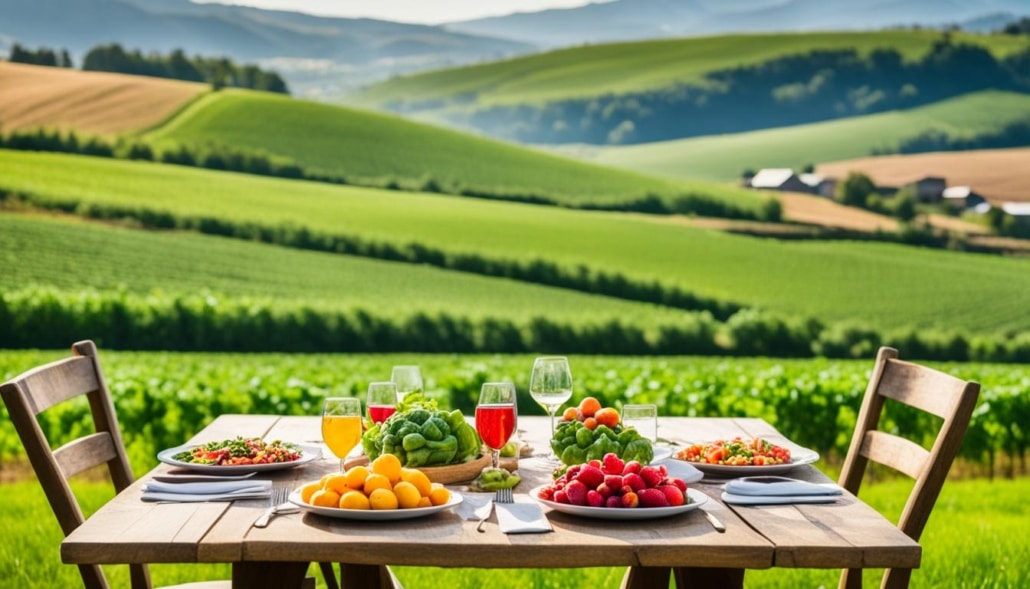
Forget the heavy crystal stemware and the weighted, bone-china plates. The vessel for your food in a true farm-to-table setting might be a slab of unfinished slate, a rough-hewn wooden trencher, or a ceramic bowl with an intentional, slightly warped glaze from a local potter. The cutlery may be mismatched, and the napkin might be a piece of unbleached linen. This is not a sign of cheapness, but a celebration of artisanal imperfection. The aesthetic is one of honest utility, not decorative opulence. The focus is meant to be on the food itself, not on the material value of its surroundings. If you are measuring the experience by the thickness of the tablecloth, you are missing the virtue of the naked grain of the wood beneath.
The Misconception of a Famous Chef as a Constant Presence
There is a romantic notion that the vision of the farm is always the physical presence of the chef. In many farm-to-table establishments, especially those truly integrated with an agricultural operation, visibility is high but personality is low. The chef might be a farmer who cooks, or a cook who farms. Do not expect a dashing figure in a pristine white jacket to emerge tableside and explain the provenance of each leaf. The narrative of the meal is often embedded in the plate itself. The team is small, the work is monumental, and the person who crafted your dish is likely elbow-deep in seeding the next crop. The story is best read in the taste, not heard in a performative monologue. Focus on the dialect of the ingredients, not the celebrity of the hands that arranged them.
Touring as a Bumpier, more Immersive, Affair
Many farm-to-table experiences include a pre-dinner tour of the property. Do not approach this like a sterile museum walk. An organic farm is not a manicured botanical garden. The paths are often uneven, the ground muddy, and the greenhouses humid and dripping with condensation. You might be asked to step over irrigation hoses or dodge a curious chicken. This is not a lazy, paved walkway. Wear appropriate footwear and prepare for a sensory immersion. You will touch soil, smell raw compost, and see the food in its nascent, sometimes gnarly state. The tour is the catechism of the meal. To skip it or to complain about the terrain is to refuse the very sermon you came to hear.
Erratic Pricing and the Cost of Permanence
A classic fallacy is comparing the cost of a farm-to-table meal to a standard restaurant. The price tag is often higher for a seemingly simpler dish. This is the cost of non-commodity production. Small-scale farming is laboriously inefficient compared to industrial agriculture. The $40 for a whole roasted chicken is not paying for the bird alone; it is paying for the heritage breed genetics, the organic feed, the hand weeding, and the life of an animal that was raised in dignity. Conversely, you might find that the bread is included for free, or that the water is served from a pitcher, not a bottle. The pricing is reflective of ecological truth, not market whimsy. It is an uneven, honest ledger. Accept the high cost of the protein and celebrate the low cost of the staple.
The Ultimate Revelation: The “Best” Service is Unfiltered Hospitality
Finally, the greatest mistake is believing that five-star service is the zenith of dining. In a farm-to-table setting, the service is often clumsy, personal, and unforgettable. The waitress might spill a little dressing on the table, then apologize with a genuine laugh. The owner might sit down for a moment to tell you about the difficult season for the apricots. This is not a lack of professionalism; it is an abundance of human connection. You are not a reservation number; you are a guest at a very long, very interesting table. The service is not a choreographed ballet; it is a cooperative potluck. You leave not feeling pampered, but feeling *included*. You have touched the soil, seen the kitchen, and shared a story with the grower. That is a service no five-star hotel can ever replicate. It is messier, truer, and ultimately, profoundly better.