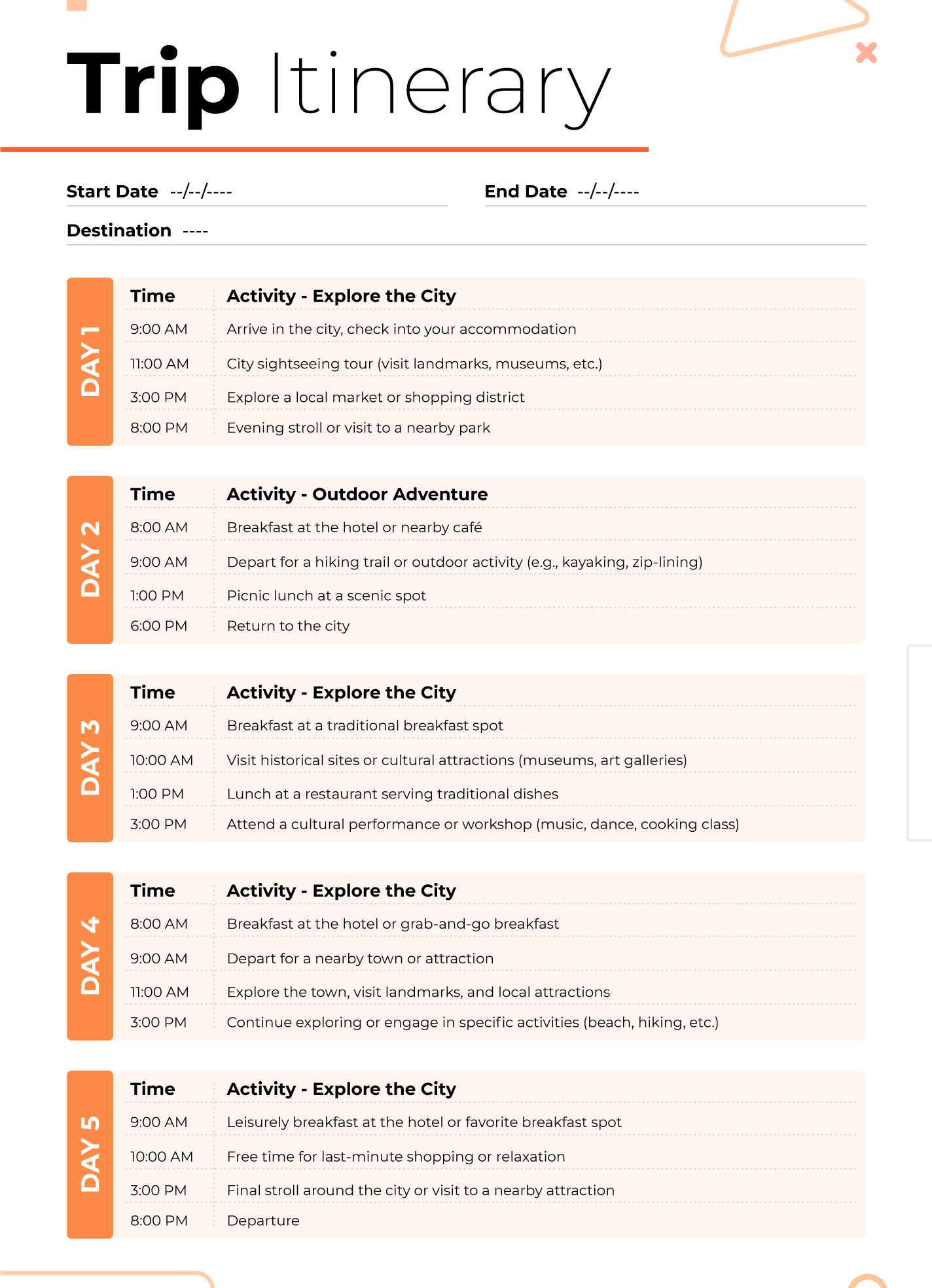
Can you truly capture the soul of a destination in seventy-two hours, weaving through its bustling markets and plating the stories of a dozen dishes? This is the conundrum at the heart of modern travel—a race against the clock where mere sightseeing feels sacrilegious. The challenge is not a lack of options, but an overwhelming glut of them. You are faced with the paradox of choice: how do you distill a culture’s culinary heritage into a single weekend without succumbing to the tyranny of a packed schedule? The answer lies in rhythmic planning, a tactical surrender to the flow of the city, and a voracious appetite for the ephemeral. We are about to dissect twelve such itineraries, each a three-day mnemonic device for flavor, designed to lead you through five distinct markets and past ten definitive plates. This is not a vacation; it is a gastronomic campaign.
The Architecture of the Three-Day Culinary Marathon
To embark on this gustatory gauntlet, one must first understand its skeletal structure. The three-day window is an exquisite torture—short enough to demand ferocious efficiency, yet long enough to build a narrative arc. The first day serves as a palate calibration, a reconnaissance mission into the mundane. The second day is the crescendo, where you assault the most storied markets and confront the iconic dishes of the region. The final day is a denouement, a chance to revisit a favorite stall or stumble upon an accidental masterpiece. Five markets are not chosen at random; they represent a hierarchy of commerce—the wet market for primal freshness, the night market for theatrical street food, the specialty market for curated artisanal goods, the farmers’ market for seasonal terroir, and the forgotten neighborhood market for unvarnished authenticity. Ten dishes are your milestones, each a bracketed moment in time, demanding you to eat with purpose, not just hunger.
Itinerary One: The Coastal Umami Trail (Lisbon, Portugal)
Your base camp is the Alfama district, where the smell of brine and baking bread intertwines. Begin at the **Mercado da Ribeira** (Time Out Market) for a curated hit of bacalhau à brás and a glass of Vinho Verde. This is your introductory dish: salted cod, shredded and scrambled with potatoes. For your second market, navigate to the **Mercado de Campo de Ourique**, a quieter, more local affair. Here, you hunt for the second dish: a platter of percebes (gooseneck barnacles), which require a primal, messy technique to extract the sweet meat. The third dish emerges at a tiny tasca in the Mouraria quarter: a bowl of caldo verde, the peasant soup of kale and chouriço. Day two requires a trek to the **Mercado do Livramento** in Setúbal, a train ride south, for dish four: cuttlefish fried in its own ink, a stark, blackened delicacy. Your fifth dish is a pastel de nata at the venerable Pastéis de Belém, a custard tart with a shattering crust. The third day brings three dishes at the **Mercado da Baixa**: grilled sardines, a bifana (pork sandwich) with piri-piri, and a final, sweet note of arroz doce (rice pudding). The journey concludes with a haunting, ghostly flavor—a shot of ginjinha, a sour cherry liqueur, swallowed outside a stall that has stood for a century.
Itinerary Two: The Spice Bazaar Odyssey (Istanbul, Turkey)
Enter the labyrinth of the **Spice Bazaar** (Mısır Çarşısı) not as a tourist, but as a negotiator. Your first dish is a test of resolve: a stuffed mussel (midye dolma), gobbled on the street, its rice filling perfumed with cinnamon and allspice. The second market is the sprawling **Kadıköy Market** on the Asian side. Here, you consume dish two: a simit, its sesame crust cracking under your fingers, paired with a glass of salty ayran. The third dish appears in a hidden lokanta—a plate of mercimek çorbası, a red lentil soup so profound it feels like a benediction. Day two is anchored by the **Grand Bazaar**, but for food, you escape to the **Eminönü** waterfront. Dish four is balık ekmek—a grilled mackerel sandwich, eaten while swaying on a ferry. The fifth dish is a generous portion of Adana kebab, a spiced minced lamb skewer, at a kebabçı in the Aksaray district. Your final day begins at the **Fatih Market**, a rough-hewn cluster of butchers. Dish six is a kelle paça, a sheep’s head soup, a gelatinous, restorative ritual. The seventh and eighth dishes arrive at a meyhane: a plate of enginar (artichokes in olive oil) and a hunk of pastırma (air-cured beef). The ninth is a sweet, flaky baklava from a shop in Karaköy, and the tenth is the surprise: a dense, chewy piece of Turkish delight, dusted with rose, that leaves your teeth tacky and your thoughts hazy.
Itinerary Three: The Street Cart Symposium (Bangkok, Thailand)
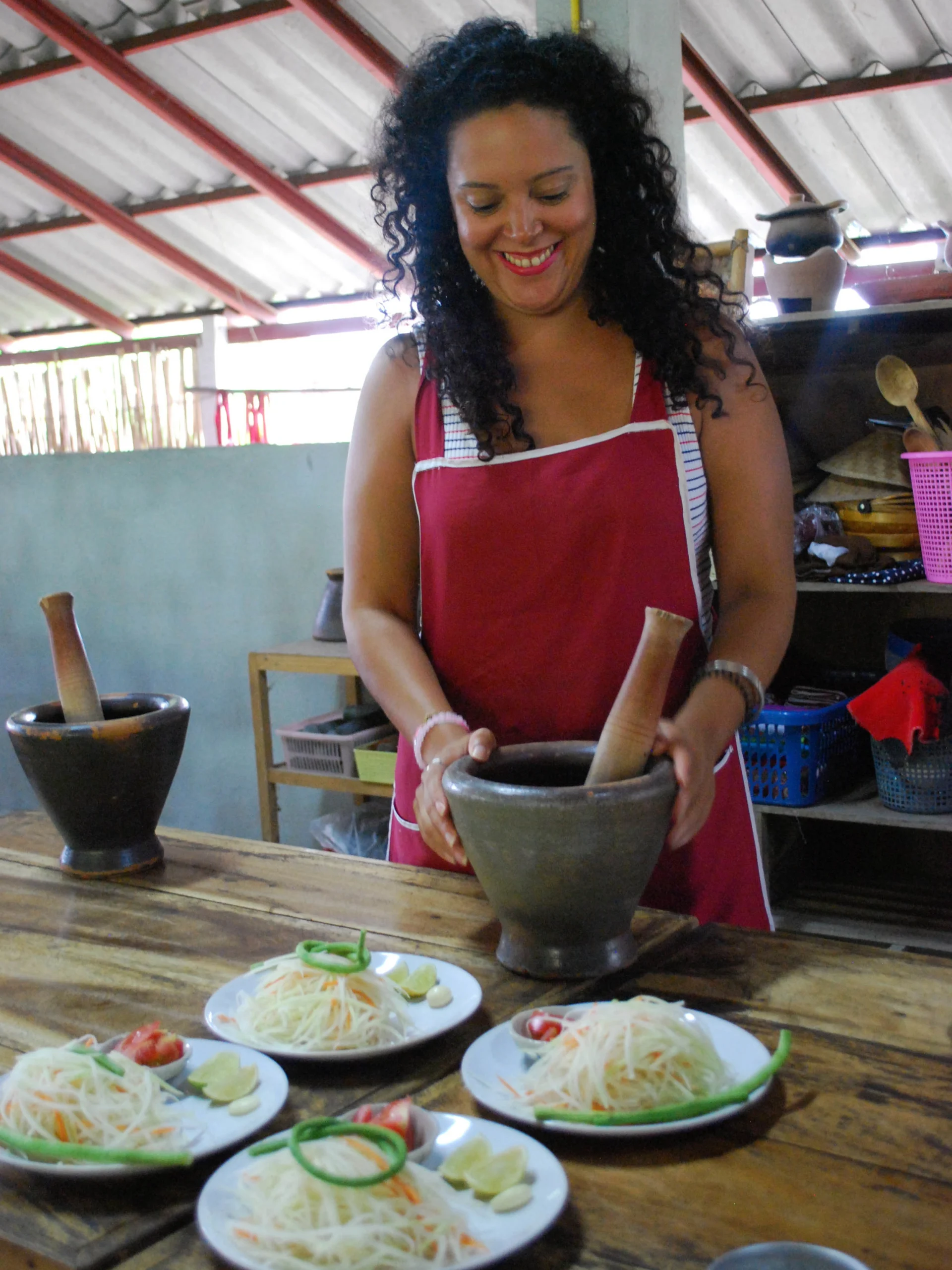
Thailand demands surrender to chaos. Your first market is the **Or Tor Kor Market**, a temple of mid-century modernist cleanliness. Here, dish one is a bowl of khao soi, a creamy, coconut-rich curry soup from the north, topped with crispy noodles. The second market is the **Wang Lang Market**, a tapestry of awnings and shouting vendors. Dish two is a grilled banana, caramelized and smoky, skewered and sold by a woman whose hands are blackened with charcoal. The third dish is a pad thai from a cart in the Banglamphu district—not the tourist version, but the one made with tamarind, dried shrimp, and a squeeze of lime that burns your nostrils. Day two is dominated by the **Khlong Toei Market**, Bangkok’s most visceral wet market. Dish four is a plate of som tam (green papaya salad) pounded with crab that is alive until the last minute. The fifth dish is a boat noodle soup, a dark, pork-laden broth consumed in a tiny bowl, meant to be ordered multiple times. The third day requires a trip to **Chatuchak Weekend Market**, but you focus on the food section. Dish six is a coconut ice cream served in a coconut husk, with sticky rice and peanuts. Dish seven is a grilled squid, its tentacles still twitching. Dish eight is a massaman curry, a Muslim-influenced dish of beef and potatoes. The ninth dish is khao niao mamuang—mango with sticky rice, a dessert of shocking simplicity. The tenth is a final, clandestine dish: a piece of fried chicken from a stall near the market’s edge, bathed in a sweet chili sauce that resists any attempt at classification.
Itinerary Four: The Market to the Mountains (Oaxaca City, Mexico)
Oaxaca is a mole of a city—dark, layered, and deeply complex. The **Benito Juárez Market** is your first stop. Dish one is a tlayuda, a colossal, ashen tortilla loaded with refried beans, tasajo (grilled beef), and a stringy, white cheese that stretches like a memory. The second dish emerges from a comal in the same market: a memela, a thick tortilla topped with pork lard and salsa, its edges crispy. The third market is the **20 de Noviembre Market**, a cathedral of smoke where vendors grill tasajo and cecina over wood. Dish three is a bowl of mole negro, a sepia-toned alchemy of chocolate and chili, served with a leg of chicken. Day two leads to the **Mercado de la Merced**, a chaotic hall of produce. Dish four is a spider-crab tamal, wrapped in a hoja de aguacate (avocado leaf), steamed until the leaf’s aroma invades the masa. The fifth dish is a cup of tejate, a pre-Hispanic beverage of corn, cacao, and the flor de cacao, drunk from a clay cup. The final day takes you to the **Mercado de Tlacolula**, a Sunday market of immense proportions. Dish six is a smoky, charred chicken, cooked in a pit dug into the earth. Dish seven is a plate of chapulines (grasshoppers), toasted with garlic and lime, which pop with a faint bitterness. Dish eight is a slice of queso fresco, creamy and sharp. The ninth dish is a slice of pan de muerto, a sweet bread that tastes of orange and a faint, melancholic sweetness. The tenth is a tiny cup of mezcal, a spirit that tastes of the earth after rain, the final punctuation mark on a weekend of relentless, rewarding consumption.
Itinerary Five: The Tempering of the Palate (Marrakech, Morocco)
Marrakech is a fever dream of scents—cumin, saffron, and rotting oranges. Your first market is the **Jemaa el-Fnaa** at dusk, when the smoke from a hundred grills forms a low cloud. Dish one is a bowl of bissara, a fava bean soup drizzled with olive oil, eaten from a clay bowl. The second dish is a skewer of kefta, minced lamb grilled over a flaming cart. The second market is the **Mellah Market**, hidden in the old Jewish quarter. Dish three is a pastilla, a pigeon pie dusted with cinnamon and sugar, a shocking fusion of sweet and savory. Day two requires a trip to the **Bab el-Khadra Market**, for dish four: a tagine of kid goat with prunes and almonds. The fifth dish is a portion of msemen, a flaky, fried flatbread, torn and dipped in honey. Your final market is the **Souk Semmarine**, but for food, you hunt for a hidden hammam. Dish six is a bowl of harira, a tomato and lentil soup broken with a sprinkle of cinnamon. Dish seven is a baked sardine, stuffed with chermoula and pounded into a paste. Dish eight is a medley of briouats, fried pastries filled with minced meat. The ninth dish is a glass of spicy, scalding mint tea, poured from a great height. The tenth dish is the last thing you expect: a single, overripe fig from a basket in the souk, bought for a dirham, its sweetness a final, subtle betrayal of all the heat and spice that preceded it.
Itinerary Six: The Fermentation Festival (Tokyo, Japan)
Tokyo is a city of precision, and its food is a meditation on umami. The **Tsukiji Outer Market** is your first, chaotic stop. Dish one is a bowl of kaisendon, a raw seafood rice bowl—sea urchin, salmon roe, and tuna, each component a distinct note. The second dish is a tamagoyaki, a layered omelet grilled on a special pan, sweet and savory. The second market is the **Ameya-Yokochō Market** in Ueno. Dish three is a plate of yakitori—chicken skin, heart, and cartilage, grilled over binchotan charcoal. The fourth dish is a bowl of katsudon, a pork cutlet and egg bowl, consumed at a counter so narrow your elbows touch the cook. Day two brings you to the **Kappabashi Market**, a street of kitchen supply stores, but its food stalls offer dish five: a sample of menchi katsu, a deep-fried ground meat croquette. The sixth dish arrives at **Kichijoji Market**: a bowl of soba noodles, served cold with a dipping sauce of dashi and soy, the perfect palate cleanser. The final day is for the **Kuromon Ichiba Market**, but in Tokyo, you simulate it. Dish seven is a piece of otoro, the fattiest tuna belly, melting on your tongue. Dish eight is a bowl of matcha soft serve, the bitterness of the green tea fighting the cream. Dish nine is onigiri, a rice ball filled with pickled plum. The tenth dish is a single, perfect, wobbly piece of dango, a sweet rice dumpling on a skewer, a quiet ending to a loud, electronic city. The challenge here is not finding food, but restraining yourself from eating everything in a single, dizzying afternoon.