Begin not with a suitcase, but with a changed palate. To travel for food is to unlock a city’s secret diary, written in the steam of street stalls and the crunch of a perfect crust. It is a promise that you will taste a place, not just see it. For the novice, the sheer deliciousness of global cuisine can be overwhelming, but the true shift happens when you stop eating *at* a destination and start eating *as* it. This guide offers the scaffolding for your first culinary odyssey, transforming passive consumption into active, delicious discovery.
Abandon the Algorithm, Embrace the Anomaly
The internet is a crowded bazaar of hyper-curated “best of” lists, often leading to queues of tourists clutching the same glowing phone screens. Your journey begins with a deliberate act of rebellion. Walk three blocks past the main square. Duck into a lane with no English signage. The most transcendent meals are rarely found on a map; they are whispered about by locals. When a grandmother waves you into her kitchen from a doorway, or a baker grunts his approval of your selection, you have found the genuine article. This is not about sacrificing quality; it is about discovering an authenticity that algorithms cannot replicate.
Master the Art of the Inquiry
Your most powerful tool is not a fork, but a polite question. Learn a single phrase in the local tongue: “What do you eat?” not “What should I eat?” This subtle shift opens doors. A fishmonger in Sicily might slice you a sliver of raw amberjack he was saving for his own lunch. A spice merchant in Marrakech will crush a blend of ras el hanout on your palm, explaining the ghosts of saffron and rose. These moments of connection are the true appetizers of any trip. Do not rely on a translation app for nuance; rely on the universal language of pointing, smiling, and showing genuine, hungry curiosity.
Deconstruct the Plate Before You Eat
Every dish is a palimpsest of history, geography, and culture. Before you take a bite, pause. Look at the architecture of the food. Why is the sauce served on the side? Why is this particular vegetable charred, not boiled? Consider the trade routes that brought the cinnamon, the terroir that shaped the wine, the colonial or migratory stories that forced two disparate cuisines into a beautiful, merging embrace. This analytical moment deepens the flavor. You are no longer just eating; you are reading a narrative composed of salt, heat, and fermented time.
Hunt for the Hyper-Local Ingredient
A tomato in Barcelona tastes nothing like a tomato in New Jersey. Seek the ingredient that cannot travel. This might be a wild, foraged herb found only on a specific mountain slope, a cheese made from the milk of goats that graze on a single coastal meadow, or a fruit that bruises so easily it never leaves the region. These are the cornerstones of a place’s identity. When you taste a shio koji-cured fish in a remote Japanese fishing village, or a sour, grassy chicha in the Andes, you are ingesting the geography itself. Eat the wind, the soil, and the rain of the place.
Venerate the Vendor, Not Just the Venue
Michelin stars are a wonderful benchmark, but they are not the sole arbiters of greatness. True culinary education often happens on a plastic stool in a dusty market square. Respect the vendor who has been perfecting a single dish for forty years. Their calloused hands, the worn wooden handle of their knife, the precise choreography of their movements—this is a mastery no cooking class can fully impart. Strike up a conversation about their ingredients. They are the unsung archivists of a culture’s gastronomic memory. Buying from them is an act of preservation.
Adopt the Polytemporal Eating Schedule
Forget breakfast, lunch, and dinner. The rhythm of a new place is dictated by the market, the tide, and the siesta. Eat a second breakfast of fried dough and sweet coffee at 10 a.m. because that is when the fisherman returns. Have a small, sharp snack of pickled vegetables at 4 p.m. because the day’s heat demands a shock. The most memorable meal might be a late-night bowl of noodles eaten with strangers at a counter after the bars close. Let your stomach listen to the city’s clock, not your own. This disruptive schedule is the secret to tasting the full spectrum of daily life.
Choose Your Street Food by the Queue
A long, silent queue of locals, with no phones in hands, is a culinary prophecy. This is a tribe that knows the truth. Do not be deterred by a lack of frills or a questionable-looking awning. Sizzle, steam, and a focused crowd are the only credentials you need. Conversely, a stall with a flashy sign, a bored vendor, and a line of distracted tourists is a trap. The best street food is often a singular, obsessive experience. One stall makes the perfect banh mi. Another, just across the way, has the definitive pad thai. Let the local queues be your guide.
Revere the Rituals of Preparation
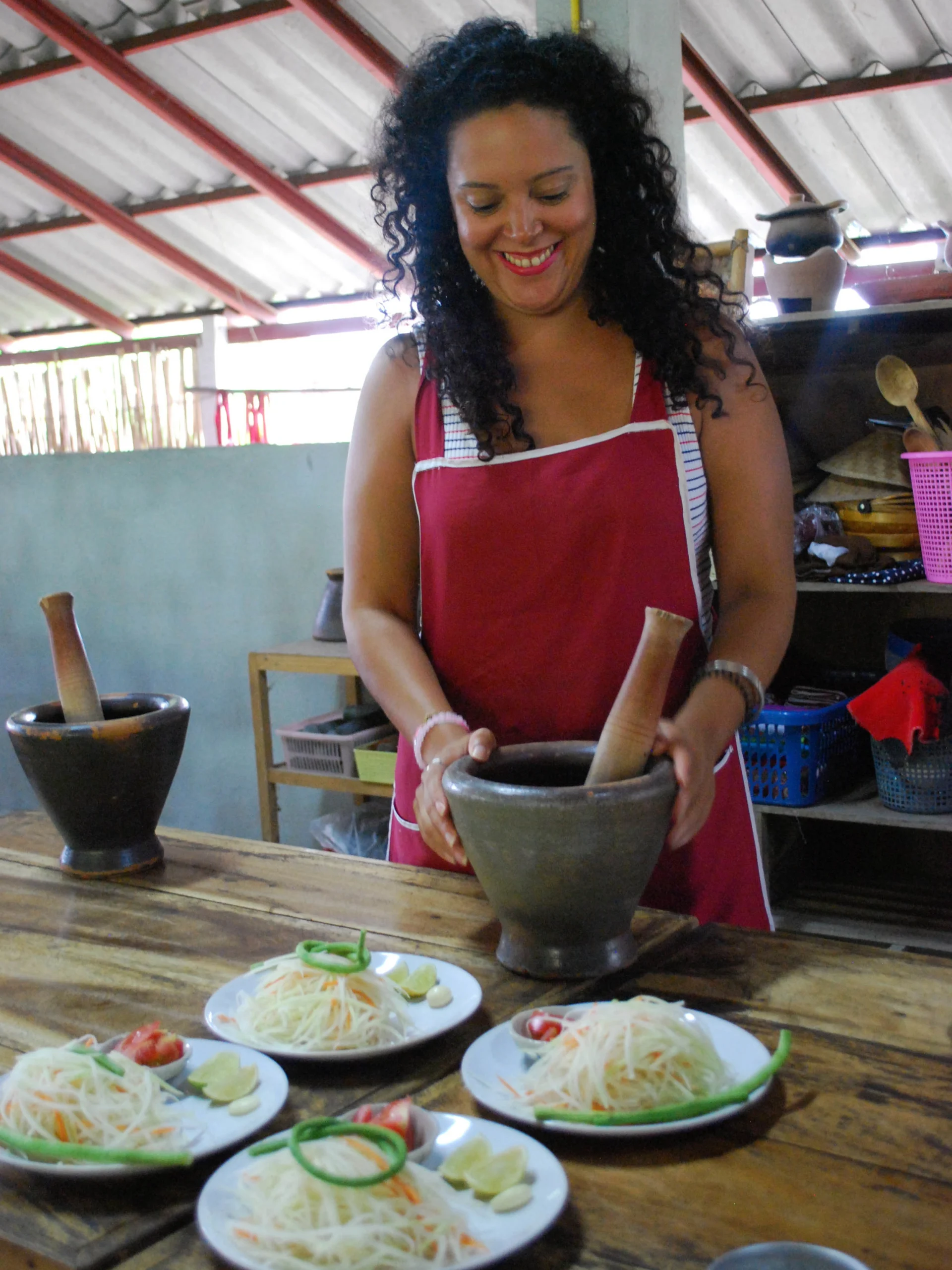
Some of the most profound moments happen before the meal begins. Watch a sushi chef’s hands as they massage a grain of rice. Observe the careful, almost meditative assembly of a tamale. In Morocco, the act of pouring mint tea from a height is a performance of hospitality and status. Do not ask them to hurry. Do not photograph the final dish before experiencing the process. This reverence is not just polite; it is a form of learning. You begin to understand that the cooking is the culture, not just the result. You are a witness to a ritual.
Embrace the Discomfort of the Unknown Stomach
The best culinary journeys require a certain gastric bravery. You will eat something that smells alarming, looks alien, and contains an organ you can’t name. This is the moment your perspective truly shifts. Your palate is not a fortress to be defended; it is a landscape to be expanded. The initial shock of fermented herring or a pungent durian is a doorway. What follows that shock can be a profound, acquired taste—a new favorite. Do not reject the unfamiliar outright. Take a small, curious bite. Your comfort zone is a small, boring room. The banquet is just outside the door.
Keep a Voyeur’s Journal, Not a Review
Put down your phone after documenting the dish. Instead, write down a sensation. Record not the “good” or “bad,” but the texture—the “gelatinous pop” of a fish eye. The sound—the “wet, percussive crunch” of a fresh cucumber. The feeling—the “tender weight of a slow-braised lamb” on your tongue. This is not a review for social media; it is a private map of your sensory experience. When you return home, you will not remember the restaurant’s name. You will remember the warmth of the broth, the chill of the beer, and the laughter of the person who showed you how to crack the crab. That is the souvenir worth keeping.