The sun sets, the last train departs, and the city’s diurnal rhythm gives way to a different kind of energy. For the noctambulist, the true measure of a metropolis isn’t its Michelin-starred dining rooms but the glow of a neon sign at 2 AM, the hiss of a wok over a live flame, or the steam rising from a cart on a rain-slicked street. The cities that truly excel at late-night eating don’t just offer sustenance; they offer a second act, a liminal space where workers, night owls, and travellers converge. Here is a curated exploration of ten global capitals where the 24-hour food scene is not a novelty, but a way of life.
Tokyo: The Symphony of the Soba-Ya and Izakaya After Dark
Tokyo’s nocturnal gastronomy is a study in stark contrasts. On one hand, you have the hushed, reverential atmosphere of a traditional soba-ya, where a bowl of hand-cut buckwheat noodles in a hot broth offers a meditative, restorative end to a long night. On the other, the cacophony of a Shibuya *izakaya*—a Japanese gastropub—where salarymen and artists alike share small plates of *yakitori* (grilled skewers) and *karaage* (fried chicken) until the first train. The true genius of Tokyo lies in its *jidaiya* (24-hour diners) and *yakiniku* (grilled meat) joints that hum with activity deep into the witching hours. You will find everything from the sublime simplicity of a tamagoyaki omelet to the complex, umami-rich depths of a late-night ramen from a vending machine, served with a side of anonymity and perfect precision.
New York City: The Enduring Crucible of the All-Nighter
New York’s late-night scene is less a coordinated effort and more a stubborn, beautiful accident of history and density. While the iconic diner—with its cracked vinyl booths and a menu that runs the gamut from matzo ball soup to a club sandwich—remains a bastion for the insomniac, the contemporary landscape is far more variegated. The city’s Korean restaurants in K-Town are legendary for their *soju*-fueled *samgyeopsal* (pork belly) feasts that last until dawn. Yet, the true treasure is the street-side *hālal* cart, dishing out saffron rice and spicy lamb over a bed of lettuce to a queue of theatregoers, taxi drivers, and night-shift nurses. The content ranges from the clean, sharp heat of a slice of dollar pizza to the opulent, restorative power of a $40 bowl of *pasta* from a red-sauce joint that never closes. The common denominator is an unapologetic, caffeinated energy that refuses to relent.
Bangkok: The Anarchic Carnival of the Soi
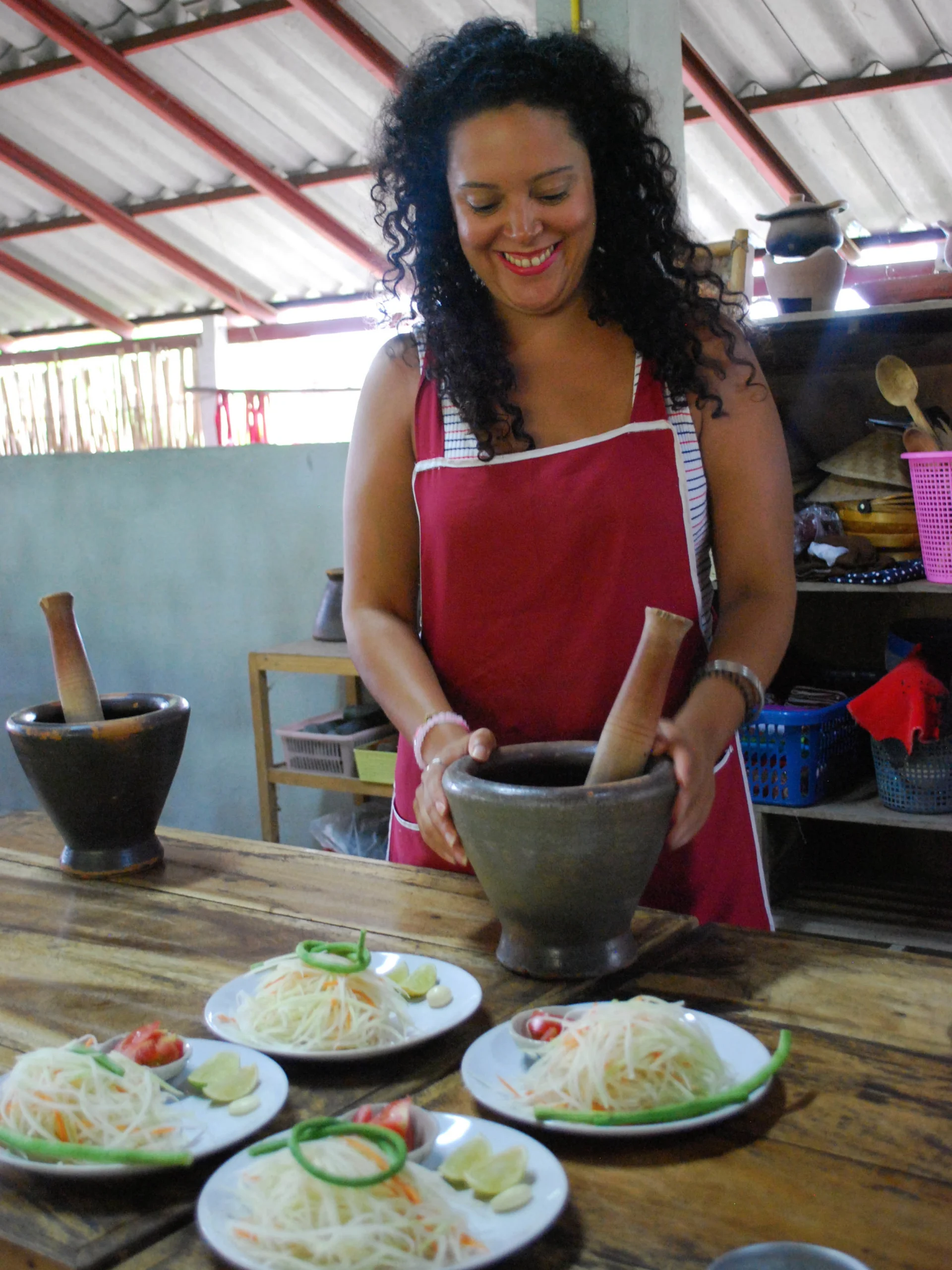
In Bangkok, the distinction between dinner and breakfast is rendered utterly meaningless. The city’s *soi* (side streets) transform after midnight into a sprawling, olfactory-rich cornucopia. The *pad thai* you had at noon is a different beast at 3 AM, fried with a fiercer *wok hei* (breath of the wok) and topped with a more generous squirt of lime. The content here is aggressively savory and texturally diverse. You can sample the gelatinous, salty kick of *som tam* (papaya salad) pounded fresh in a mortar, or the crisp, fatty crackle of *mu krata* (pork belly) grilled over charcoal at a street stall. The true connoisseur knows to seek out the *jok* (rice porridge) vendors, whose cauldrons of congee, studded with century egg and ginger, provide a soothing, almost medicinal comfort against the tropical night air. This is not a curated experience; it is a spontaneous, glorious rummage sale of flavor.
Mexico City: The Antojito Awakening
Mexico City’s nocturnal cravings are answered by the *antojito*—a “little whim” that packs a colossal punch. The city’s *puestos* (stalls) and *mercados* (markets) become hubs of volcanic activity after dark, catering to a populace that believes no hour is too late for a tortilla. The content is built on a trinity of corn, chile, and lime. You will find *tacos al pastor*—spit-roasted pork shaved directly onto a small tortilla, with a sliver of pineapple—served by a man wielding a machete. *Elotes* (grilled corn on the cob) slathered in mayonnaise, cotija cheese, and chili powder are a requisite snack. The real deep cut, however, is *pambazos*—a sandwich of bread bathed in a red guajillo chile sauce, stuffed with potatoes and chorizo, then griddled. The atmosphere is a low, friendly hum punctuated by the sizzle of the *comal* (griddle) and the clink of glass soda bottles.
Istanbul: The Melancholy of the Late-Night Simit and Pide
Istanbul’s late-night food scene is a melancholy, beautiful ritual, often performed in the quiet pockets of Beyoğlu or along the Bosphorus shore. The city’s *simit* (sesame-crusted bread ring) carts are ubiquitous, offering a simple, chewy antidote to a late night spent in a nargile lounge. But the real depth lies in the *pide* (Turkish flatbread) and *lahmacun* (Turkish pizza) ovens. These ovens, glowing orange in the dark, produce a crisp, blistered bread topped with spiced minced lamb, pastırma (cured beef), or melted kasar cheese. The experience is inherently social; you share a table with strangers, tearing off pieces of warm bread and dipping them into a communal bowl of yogurt or spiced tomato sauce. The content is unpretentious, relying on the quality of the flour, the heat of the fire, and the generosity of the host. It is a quiet, soulful counterpoint to the city’s more frenetic daytime energy.
Seoul: The Institutionalized Efficiency of the Pocha
Seoul elevates the late-night meal to a form of high-performance social engineering. Its *pocha* (street tents) and *bunsikjip* (snack bars) are not just eateries; they are democratic third spaces. The content is engineered for speed, affordability, and maximum flavor impact. The ubiquitous *tteokbokki* (chewy rice cakes in a sweet-spicy gochujang sauce) provides a base-level rush of heat and sugar. *Twigim* (deep-fried tempura-style snacks, from sweet potatoes to shrimp) offer a textural counterpoint. The real art, however, lies in the *jokbal* (braised pig’s trotters) and *bossam* (boiled pork belly) served with a fermented shrimp sauce—a gelatinous, savory dish that is the pinnacle of comfort for the seasoned night dweller. The scene is tightly orchestrated, with vendors knowing exactly how to balance the heat of the grill with the cold of the *soju* bottle. It is a system built for the relentless pace of a city that rarely sleeps.
Lisbon: The Inheritance of the *Tasca* and the Pastel de Nata
Lisbon’s late-night appeal is a whisper rather than a shout, found in its *tascas* (hole-in-the-wall taverns) and *pastelarias* (pastry shops). While the Bairro Alto offers a raucous bar scene, the true gastronomic comfort is reserved for the quiet corners of Alfama. The content is deeply nostalgic and ingredient-driven. A *bifana* (thinly sliced marinated pork sandwich) from a late-night grill, served with a dash of piri-piri, is a masterclass in simplicity. The sacred text, however, is the *pastel de nata*—a flaky, caramelized custard tart. A specific *pastelaria*, open until 2 AM, will serve these still warm from the oven, the cinnamon dusting creating an aromatic halo that cuts through the salt air. The late-night meal in Lisbon is not about a spectacle; it is about a quiet, reverent relationship with tradition and the slow, satisfying pleasure of a glass of *vinho verde* and a perfectly paired snack.
Taipei: The Night Market as a Living Organism
Taipei’s night markets are not simply a collection of stalls; they are a living organism, a circulatory system that pumps flavor through the city long after dark. The content is hyper-specific and intensely ritualized. At a proper *xiaochi* (small eats) stall, you will find yourself in a queue that snakes past a bubbling cauldron of *luwei* (a master stock of braised meats, tofu, and eggs). *Oyster omelets* (o-ah-tsian) are cooked to order, a gelatinous, savory web of eggs, oysters, and greens. The true test of a late-night market is the *yancheng jipai* (salt-and-pepper chicken), a crispy, bite-sized morsel fried with basil leaves and tossed in a fiery mix of pepper and salt. The experience is a sensory overload—the chatter of vendors, the clatter of spatulas, the steam rising in the humid air. It is a choreographed chaos, a delicious, democratic dance of the senses that continues until the first light of dawn.
Buenos Aires: The *Parrilla* After the *Cortina*
In Buenos Aires, the late-night meal is a defiant, almost theatrical act of *complacencia* (complacency). The city’s *parrillas* (steakhouses) are iconic, but the true nocturnal magic happens in the smaller, family-run spots in Palermo or San Telmo. The content is built on a single premise: fire and meat. A *bife de chorizo* (sirloin steak) cooked over a blazing charcoal grill, seasoned with nothing but coarse salt, arrives at your table as a slab of pure, primal satisfaction. The supporting cast includes *provoleta* (grilled provolone cheese with oregano), *choripán* (a simple chorizo sandwich on a crusty roll with chimichurri), and *morcilla* (blood sausage). The experience is slow, deliberate, and deeply social. The wine flows freely—a bold Malbec. The conversation drifts. This is not a meal for the hungry; it is a ceremony for the soul, a way to extend the warmth of the evening into the small hours of the morning.
Las Vegas: The Strip as a Never-Ending Buffet of Time
Las Vegas is the ultimate synthetic 24-hour city, where the clock is a decoration, not a constraint. The late-night food scene here is not about discovering a hidden hole-in-the-wall; it is about the sheer, overwhelming abundance of curated spectacle. The content runs the gamut from a $200, multi-course tasting menu at a restaurant helmed by a celebrity chef to a $5.99 shrimp cocktail in a casino bar. The most compelling offerings are the late-night buffets, which transform into a gluttonous, cross-cultural bazaar: prime rib, dim sum, ceviche, carved ham, and every conceivable dessert, all available at 3 AM. Yet, the simpler pleasures often win—a 24-hour diner, ideally tucked inside a forgotten casino, serving a patty melt and a milkshake that tastes like a relic of a bygone era. The content is equal parts grandeur and grit, a testament to a city that has perfected the art of keeping the lights on and the food flowing, always.