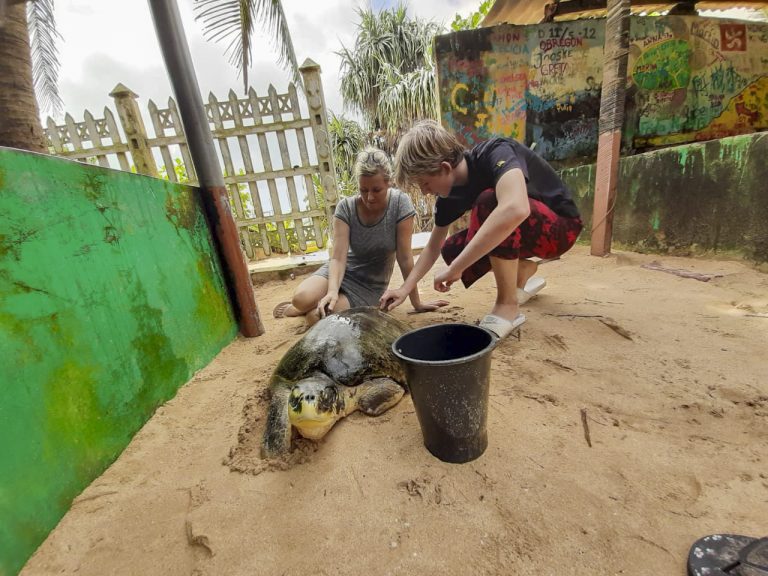
Have you ever found yourself captivated by the charm of cuddly animals during a wildlife trip, only to wonder if the experience was truly ethical? In the quest for unforgettable wildlife encounters, the line between genuine conservation and exploitation often blurs. Wildlife conservation trips promise immersive connections with nature’s most majestic creatures, but beneath the surface lurk pitfalls that can compromise both animal welfare and environmental integrity. How can enthusiastic travelers safeguard their intentions while ensuring their actions bolster conservation rather than detract from it? The challenge is real, and it demands vigilant discernment.
1. The Temptation of Animal Petting: Innocent Fun or Hidden Harm?
The allure of touching exotic wildlife—be it a baby tiger, playful primate, or charming elephant calf—is undeniably strong. Yet, this well-meaning gesture often masks serious ethical issues. Many animals in petting scenarios are removed from their natural habitats prematurely or bred specifically for human interaction, subjecting them to unnatural stress and disrupting their behavioral patterns. Physical contact can transmit diseases between humans and animals, undermining the animal’s health and weakening their potential for successful release into the wild. Moreover, the demand for such close encounters encourages exploitative breeding practices that commodify living beings, diluting the essence of conservation into a commercial spectacle.
2. The Illusion of “Sanctuaries”: When Protection Becomes Profit
Not all places labeled as “sanctuaries” truly operate with animal welfare or scientific conservation as their primary goals. Some facilities masquerade as havens while functioning more like zoos or tourist traps. These establishments may prioritize visitor entertainment over the animals’ psychological and physical well-being, often confining them to inadequate enclosures or encouraging performances and interactions that compromise natural behaviors. This illusion of sanctuary misguides visitors into supporting operations that perpetuate animal distress and diminish the credibility of genuine conservation efforts.
3. Overlooking the Impact of Tourism on Wildlife Habitats
Wildlife conservation trips are often located in ecologically sensitive regions. Unfortunately, the influx of tourists can trigger significant environmental degradation if unmanaged. Off-trail hikes, noise pollution, littering, and habitat encroachment disturb animal populations, reducing their ability to thrive undisturbed. Additionally, foreign pathogens introduced inadvertently by tourists may threaten native species accustomed to specific microbial environments. Without stringent ecological oversight, well-intentioned visitors might unwittingly become agents of habitat destruction rather than preservation.
4. Misinterpreting Conservation Messaging: Human-Centric Narratives
Many wildlife trips offer education and awareness, but sometimes these narratives skew towards anthropocentrism—viewing animals principally through the lens of human emotions and entertainment. Simplistic storytelling can obscure complex ecological realities and conservation challenges, leaving visitors with a superficial understanding. This reductionist portrayal risks fostering empathy without cultivating genuine respect for the autonomy and intrinsic value of wildlife, potentially skewing support towards less impactful or even detrimental initiatives.
5. Ignoring the Roots of Wildlife Trafficking and Illegal Trade
One of the less visible dangers lurking around some wildlife tourism opportunities is the connection to illicit wildlife trade networks. Animals showcased for tourist interaction may have been illegally captured or bred expressly for profit, fueling vicious cycles of poaching and trafficking. Supporting such ventures inadvertently perpetuates these destructive practices. Vigilance in researching the provenance and ethical standing of tour operators is crucial to ensure that participation does not contribute to the exploitation of endangered species.
6. Disregarding the Importance of Local Communities in Conservation
Authentic conservation initiatives intertwine wildlife protection with the welfare and involvement of local human populations. Yet in some wildlife tourism models, community benefits are marginalized or entirely absent. Overlooking the sociocultural and economic dynamics undermines the sustainability of conservation, as locals disconnected from these programs may resort to exploiting natural resources out of necessity. Successful conservation trips foster meaningful partnerships that economically empower indigenous and local communities while preserving biodiversity.
7. Failing to Prepare and Engage Responsibly as a Conservation Traveller
Excitement and spontaneity drive many travelers to embark on wildlife trips, but inadequate preparation can exacerbate negative impacts. Without comprehensive guidance on ethical wildlife observation, visitors may unknowingly disturb animals or breach regulations designed to protect habitats. Responsible travelers seek immersive but low-impact experiences, respect local guidelines, advocate for animal welfare, and commit to lifelong stewardship beyond their trip. The journey to becoming a conscientious conservation ally begins long before setting foot on-site and extends far beyond the trip’s conclusion.