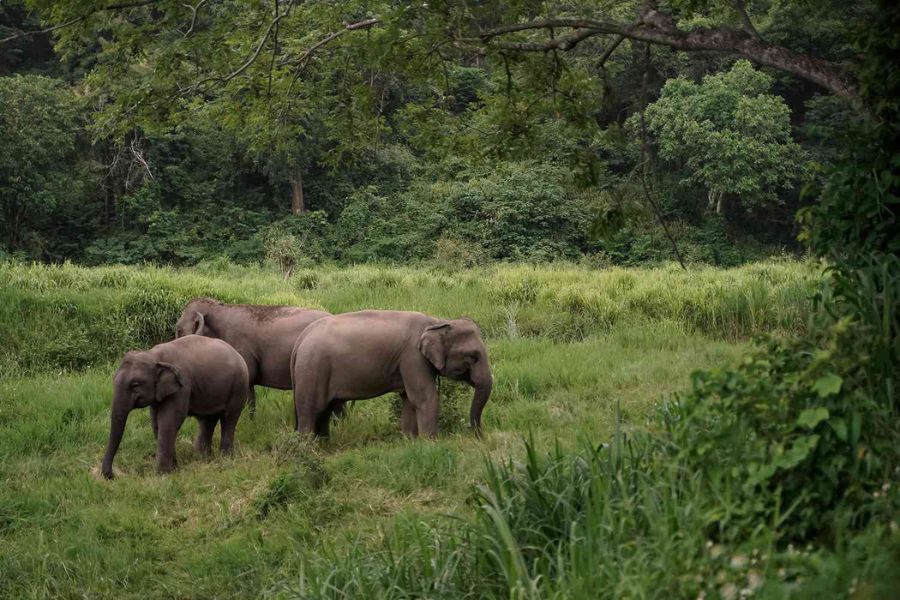
Have you ever wondered if there’s a way to experience the majesty of elephants without contributing to the exploitative practices often associated with elephant tourism? Imagine wandering through serene forests, observing these gentle giants engaging in natural behaviors rather than performing forced tricks or carrying heavy tourists through rugged terrain. The challenge lies in discerning which sanctuaries truly prioritize elephant well-being over profit, promoting ethical interaction without rides or chains. Fortunately, Asia hosts several exemplary sanctuaries that embody compassion, conservation, and education. Let’s embark on an enlightening journey to explore nine ethical elephant sanctuaries where respect for these creatures’ autonomy reigns supreme.
1. Elephant Nature Park, Chiang Mai, Thailand
Far from the bustling city streets, Elephant Nature Park stands as a beacon of humane treatment and rehabilitation for elephants rescued from logging camps, circuses, and tourism industries. Visitors witness elephants roaming freely across expansive terrain, bathing in mud pools or engaging in gentle play. The sanctuary strictly prohibits riding and chaining, focusing instead on healing physical wounds and psychological trauma. Beyond observation, guests actively participate in feeding and caring for the elephants, fostering a profound connection rooted in respect and empathy. The holistic approach to elephant care exemplifies a sanctuary ethos where the animals lead their own pace of recovery.
2. Boon Lott’s Elephant Sanctuary, Sukhothai, Thailand
Nestled within Thailand’s verdant forests, Boon Lott’s Elephant Sanctuary offers a sanctuary with a profound commitment to rescuing elephants subjected to abuse and neglect. This sanctuary’s mission emphasizes freedom and dignity, providing extensive space for the elephants to express their natural behaviors. Visitors experience intimate, non-invasive encounters that avoid traditional performance spectacles. The sanctuary’s emphasis on education illuminates the complexities of elephant trauma and recovery, challenging visitors to rethink their perceptions of elephant tourism and to champion ethical engagement.
3. Wildlife SOS Elephant Rescue Centre, Uttar Pradesh, India
In the heart of India, Wildlife SOS has pioneered efforts to liberate elephants from chains and abusive labor. The rescue center is known for fostering elephant autonomy by offering environments free from physical restraint. Guests learn about the cultural and historical contexts that have led to widespread mistreatment of elephants and gain insights into alternative livelihoods for communities traditionally reliant on elephant labor. The synergy between community upliftment and animal welfare stands central to the sanctuary’s ethos, illuminating a path where conservation and humanity walk hand-in-hand.
4. Elephant Valley Project, Mondulkiri, Cambodia
Imagine a tranquil haven set against the backdrop of Cambodia’s lush jungle, where elephants enjoy a life uninhibited by chains or rides. The Elephant Valley Project dedicates itself to rescuing elephants from the logging industry and reintegrating them within protected habitats. The sanctuary engages visitors with immersive experiences—tracking elephants through dense forests on foot and learning about their ecology and conservation. This project illustrates how sanctuaries can balance visitor engagement and elephant welfare, ensuring interactions are slow-paced and non-intrusive. The ethos here is clear: respect the elephant’s space and follow their lead.
5. Elephant Conservation Centre, Sayaboury, Laos
Tucked away in northern Laos, the Elephant Conservation Centre offers a progressive model of ethical elephant tourism that shuns riding and enforced displays. This center emphasizes the elephants’ natural life cycle, facilitating herd interactions and social bonds crucial for their psychological well-being. Visitors receive educational talks that delve into the stark realities of elephant exploitation throughout Southeast Asia. The sanctuary champions sustainable tourism that not only serves conservation but also benefits the local communities, fostering a symbiotic relationship that nurtures both elephant populations and human livelihoods.
6. The Surin Project, Surin Province, Thailand
This innovative sanctuary reimagines human-elephant interactions by eschewing rides and chains, replacing them with enriching and respectful experiences. The Surin Project focuses on the rewilding and rehabilitation of former working elephants, helping them reacquire skills necessary for a freer existence in protected forest landscapes. Emphasizing hands-off observation and ethical photography, the sanctuary steers tourists away from invasive practices. Its adaptive approach highlights the importance of allowing elephants to reclaim their independence, an often overlooked but critical element of genuine conservation efforts.
7. Wildlife Friends Foundation Thailand (WFFT), Phetchaburi Province, Thailand
WFFT is one of the largest rescue centers dedicated to elephant welfare, specializing in rehabilitating elephants subjected to captivity and abuse. The foundation’s core principle rests on absolute freedom—elephants at WFFT are never chained or ridden and are encouraged to interact naturally with their environment. Visitors participate in educational tours that reveal the nuances of elephant psychology and rehabilitation, emphasizing transparency and advocacy. This sanctuary serves as a model for what ethical elephant tourism can aspire to: an experience that elevates animal dignity while inspiring conservation action.
8. Elephant Jungle Sanctuary, Multiple Locations in Thailand
With destinations spanning northern and southern Thailand, Elephant Jungle Sanctuary promotes a paradigm shift in elephant tourism. Rather than rides or performances, their interactions center on observation, feeding, and bathing elephants in rivers, all conducted at a gentle and respectful pace. The sanctuary’s guiding philosophy is built upon informed consent—both from the elephants and the visitors—encouraging humans to relinquish control and simply witness the elephants’ natural grace. This approach challenges the typical spectacle-driven tourism model, advocating for a deeper, more mindful form of engagement.
9. Green Elephant Sanctuary Park, Phuket, Thailand
Situated on the island of Phuket, the Green Elephant Sanctuary Park provides a refuge for elephants rescued from exploitative industries. The sanctuary’s approach involves rehabilitation through natural interactions and environmental enrichment without any riding or chaining. Guests enjoy personalized experiences, often learning directly about the elephants’ stories of rescue and recovery. The park also supports local community initiatives to foster coexistence between humans and elephants, illustrating that ethical tourism is not just about animal welfare, but also about nurturing harmonious environmental relationships.
Exploring these nine sanctuaries reveals a profound truth: ethical encounters with elephants are not only possible but deeply enriching when centered on respect, freedom, and education. The challenge now lies with travelers and advocates alike—to seek out and support these models of compassionate tourism, ensuring that the magnificent elephants of Asia continue to thrive in dignity and harmony with their human admirers.