Traveling on a budget doesn’t mean you should compromise on safety, comfort, or peace of mind. Yet, some budget hotels cut corners in ways that can turn a dream trip into a nightmare—bed bugs lurking in the seams of mattresses, walls so thin you hear the neighbor’s snoring, or neighborhoods where the streetlights flicker ominously after dark. These aren’t just minor inconveniences; they’re red flags that demand your attention before you hand over your credit card. Whether you’re a solo backpacker, a family on vacation, or a business traveler seeking affordability, knowing what to look for can save you from sleepless nights, itchy welts, or even unsafe surroundings. This guide dives into the 12 most critical red flags to watch for when booking a budget hotel, ensuring your stay is as restful as it is economical.
The Scent of Neglect: Musty Odors and Lingering Air Fresheners
When you step into a budget hotel room, your nose becomes an unsung detective. A faint but persistent mustiness—like damp laundry left in a corner—often signals poor ventilation, water damage, or worse, a hidden infestation. Conversely, an overpowering chemical scent, especially one that smells like pine or citrus, might be masking something far less pleasant. Some hotels douse rooms in air fresheners to camouflage the stench of mildew or, in extreme cases, the metallic tang of bed bug pheromones. Trust your olfactory instincts; if the air feels stale or chemically overpowering, it’s a sign the room hasn’t been properly aired out—or cleaned at all.
Furniture with a Past: Stains, Tears, and Suspicious Crevices
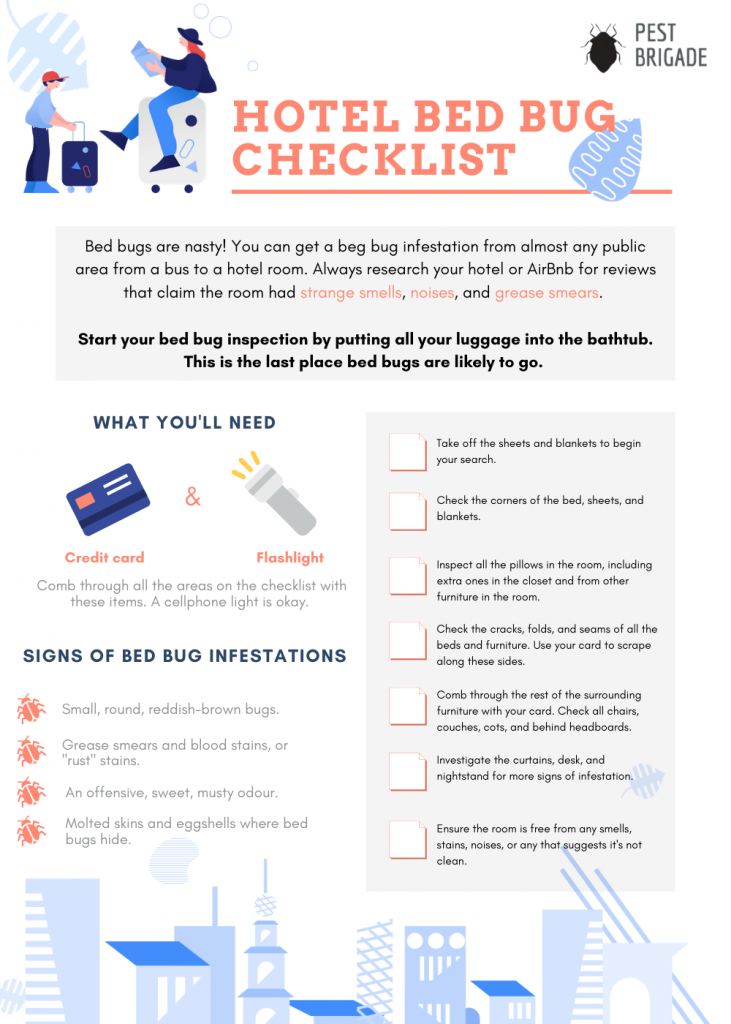
Inspect the furniture with the scrutiny of an archaeologist unearthing ancient ruins. Mattresses with mysterious brown or rust-colored stains could be old blood, sweat, or worse—bed bug excrement. Check the seams, tufts, and edges of upholstered furniture for tiny black specks, which are telltale signs of an infestation. Even wooden furniture isn’t immune; deep scratches or gouges might indicate desperate attempts to dislodge pests. Don’t just glance—run your fingers along the undersides of drawers and the backs of nightstands. If the furniture feels grimy or sticky to the touch, it’s a clear indicator that cleaning standards are abysmal.
The Mattress Menace: Lumps, Springs, and Unnatural Bumps
A budget hotel mattress is often the first casualty of cost-cutting measures. Lie down and press your hands into the surface. If you feel uneven lumps, protruding springs, or springs that poke uncomfortably into your back, the mattress is likely past its prime. But the real danger lies in what you can’t see. Bed bugs thrive in the tight spaces between mattress layers and box springs. Run your fingers along the edges and seams—if you feel tiny, hard bumps or see reddish-brown stains, it’s time to request a different room. Even if the bed looks pristine, a quick inspection with a flashlight (if available) can reveal hidden hitchhikers.
Noise Pollution: Walls That Whisper and Floors That Creak
Thin walls in budget hotels are less like barriers and more like parchment paper, transmitting every cough, phone call, or late-night television laugh from neighboring rooms. Press your ear against the wall and listen. Can you hear snoring? A baby crying? The clatter of dishes from the room above? These auditory intrusions aren’t just annoying—they’re a sign of shoddy construction or, worse, a hotel that prioritizes quantity over quality. Some rooms even suffer from “echo chambers,” where sounds bounce unpredictably, making it impossible to relax. If the noise level is high during off-peak hours, imagine the chaos during peak times. Request a room far from elevators, ice machines, or vending areas to minimize disturbances.
The Elevator Effect: Proximity to High-Traffic Zones
Rooms adjacent to elevators, stairwells, or ice machines are prime targets for noise pollution. The constant hum of machinery, slamming doors, and chattering guests can disrupt sleep patterns, leaving you exhausted. Similarly, rooms near the front desk or lobby often endure the cacophony of late-night check-ins and early-morning departures. When booking, ask for a room on a higher floor, away from these high-traffic zones. If the hotel can’t accommodate your request, consider it a red flag—your rest is worth more than a few dollars saved.
Neighborhood Nightmares: Safety and Accessibility Concerns
A budget hotel’s location can make or break your trip. Research the surrounding area before booking. Are the streets dimly lit after dark? Do you see groups loitering near entrances or alleys that seem to vanish into shadows? These are signs of a neighborhood with high crime rates or limited police presence. Even during the day, a lack of foot traffic or shuttered storefronts can indicate economic decline. Use tools like Google Street View to scout the area or read recent reviews from travelers who’ve stayed there. If the neighborhood feels sketchy, trust your gut—no amount of savings is worth risking your safety.
Lighting Lapses: Dim Corridors and Flickering Bulbs
Poor lighting in hallways, stairwells, and parking areas isn’t just an aesthetic issue—it’s a safety hazard. Dim corridors make it easy for intruders to lurk unnoticed, while flickering bulbs create an eerie, unsettling atmosphere. Test the lights in the hallway outside your room. If they’re weak or out entirely, it suggests the hotel’s maintenance team is either negligent or nonexistent. Similarly, check the bathroom lighting. A single dim bulb over the mirror can make it impossible to apply makeup or shave properly. Adequate lighting is a basic necessity, not a luxury—if it’s lacking, the hotel’s standards are likely lacking too.
Housekeeping Red Flags: The Illusion of Cleanliness
Housekeeping in budget hotels often operates on a “good enough” philosophy. Look beyond the surface shine. Are the surfaces dusty? Do the baseboards have a film of grime? Check the bathroom for hair in the drain, mildew in the grout, or a toilet that hasn’t been scrubbed in weeks. Even the simplest tasks, like changing bed linens, might be skipped in favor of speed. Pull back the bedsheets and inspect the mattress pad. If it’s yellowed or stained, it’s a sign the sheets haven’t been changed recently. Don’t hesitate to ask for fresh linens or a different room if anything seems amiss.
Unsecured Entry Points: Doors and Windows That Betray You
A hotel room’s security begins with its doors and windows. Test the door lock—if it feels flimsy or the key doesn’t turn smoothly, it’s a sign the hotel hasn’t invested in proper security measures. Peek through the peephole. Is the view distorted or the lens cracked? These flaws make it easier for unwanted visitors to peer inside. Check the windows, too. Are they sealed shut, or do they rattle in the wind? Loose windows can let in drafts, pests, or even intruders. If the room feels like it’s barely holding together, it probably is.
The Amenities Sham: Broken or Nonexistent Perks
Budget hotels often advertise amenities like free Wi-Fi, a fitness center, or a continental breakfast—but what they promise and what they deliver are often two different things. Test the Wi-Fi speed in the lobby or your room. If it’s slower than dial-up, it’s a sign the hotel skimps on infrastructure. Visit the fitness center or pool. Are the machines broken? Is the water in the pool murky? A lack of maintenance in these areas reflects a broader disregard for guest comfort. Even the continental breakfast might be a mirage—check reviews to see if past guests found it sparse or inedible. If the amenities are more mirage than reality, the hotel’s priorities are misplaced.
Check-In Chaos: Long Lines and Unprofessional Staff
The first interaction with hotel staff sets the tone for your stay. If the front desk is chaotic, with long lines and harried employees, it’s a sign the hotel is understaffed or poorly managed. Observe how staff handle complaints or requests. Do they seem indifferent or dismissive? A lack of professionalism often extends to housekeeping, maintenance, and security. Pay attention to how quickly issues are resolved—or if they’re addressed at all. If the staff treats you like an inconvenience during check-in, imagine how they’ll treat you when you’re a paying guest.
Final Verdict: When to Walk Away
Some red flags are dealbreakers. If you spot bed bugs, notice a pervasive musty odor, or feel unsafe in the neighborhood, don’t hesitate to cancel your reservation. Even if the hotel offers a refund, your peace of mind is priceless. Use online reviews, photos from past guests, and your own instincts to make an informed decision. A budget hotel should save you money—not your sanity. By staying vigilant and knowing what to look for, you can avoid the pitfalls of subpar accommodations and enjoy a trip that’s both affordable and restful.