Before you hand over a credit card and hit the road in Iceland, there are critical facts that can turn a scenic drive into a logistical nightmare or a budget disaster. This guide flips common assumptions on their head, revealing hidden costs, legal nuances, and environmental realities that most travelers overlook. Armed with this knowledge, you can decide whether renting a car truly enhances your Icelandic adventure—or if other options serve you better.
1. The “Free” Insurance Isn’t Really Free
Most rental companies offer complimentary collision damage waiver (CDW) that appears to cover all damages, but fine print often excludes gravel damage, windshield cracks, and theft. In Iceland’s volcanic terrain, stone chips and sudden gusts are common, leading to costly out‑of‑pocket expenses. Opting for a comprehensive insurance upgrade can add 15‑30 % to the daily rate, but it prevents unexpected bills that can double your travel budget.
2. Fuel Prices Are Sky‑High Compared to the Mainland
While the rental price may look reasonable, Iceland’s fuel costs rank among the highest in Europe, averaging €1.85 per liter. A 250‑km loop around the Golden Circle can consume 20‑25 liters, adding €37‑€46 to your expenses per day. Consider the cumulative impact on a week‑long itinerary and weigh it against alternative transport like guided tours or domestic flights.
3. Road Grading Is Not Uniform
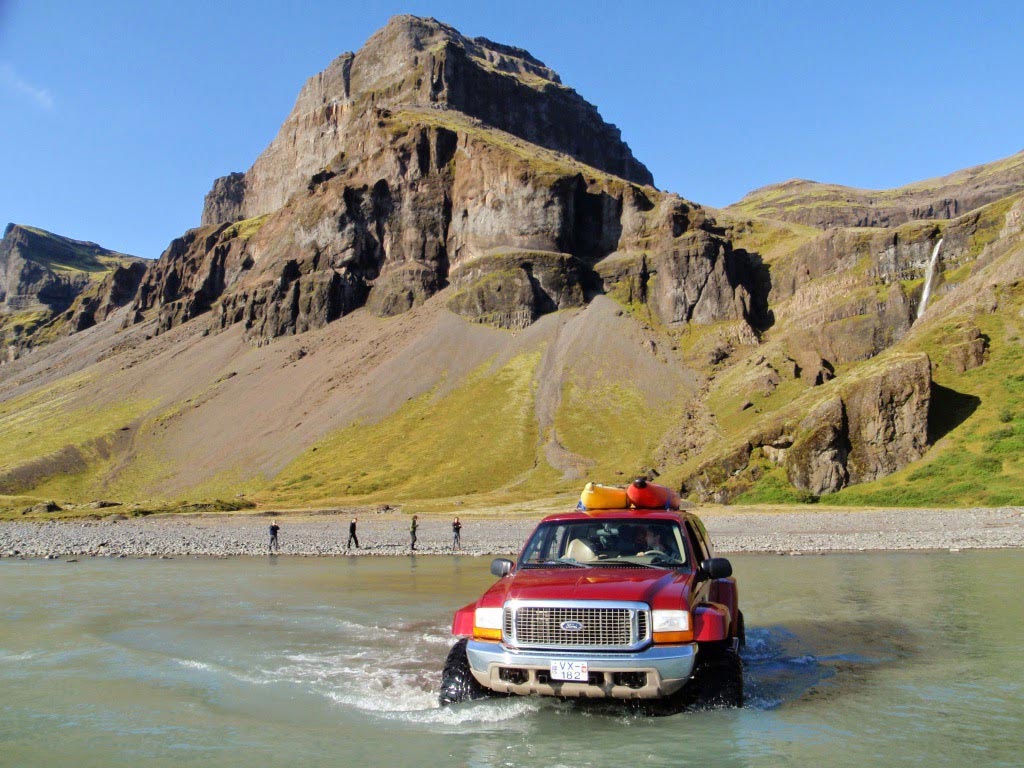
National roads (the “road 1” ring) are well‑maintained, but many secondary routes are gravel, with sections requiring four‑wheel‑drive. Renting a standard compact car may limit your access to iconic spots such as Landmannalaugar or the Highlands, forcing you to either pay extra for an SUV or miss out on those photo‑opportunities entirely.
4. Weather Changes Can Void Your Rental Agreement
Icelandic weather is notoriously volatile; sudden snowstorms or flooding can make certain routes impassable. Rental contracts often stipulate that drivers must return the car under “normal” conditions. If a storm forces you to abandon the vehicle in a remote area, you could be liable for recovery fees and damages that far exceed the original rental cost.
5. Speed Cameras Are Everywhere
Automated speed enforcement zones are positioned along most highways, with fines ranging from €50 to €250. A rental car’s onboard GPS may not alert you to these zones, leading to multiple tickets that compound quickly. Some rental agencies choose to pass the fines directly to the renter, while others absorb them, inflating the final bill.
6. Toll Roads Are Rare, but Bridge Fees Add Up
While Iceland has few toll roads, bridge fees—especially the iconic Ölfusá bridge near Reykjavik—are charged per crossing. If your itinerary includes multiple circular routes, these small fees can add up to €20‑€30 per trip, a detail often omitted from the rental quote.
7. Limited Parking Options in Urban Areas
Reykjavik’s downtown core offers scarce free parking, and metered zones charge hourly rates that can exceed €5 per hour during peak times. Misjudging parking availability can lead to fines or the need for expensive private lots, potentially costing more than a night’s accommodation.
8. Environmental Regulations Restrict Off‑Road Driving
Driving off designated roads is illegal and heavily fined—up to €1,000 for damaging protected moss fields. Many tourists are unaware that GPS navigation may suggest shortcuts, but the law requires staying strictly on marked routes. Violations not only harm fragile ecosystems but also risk severe financial penalties.
9. Rental Companies Have Different Age Policies
Drivers under 25 often face additional surcharges and stricter insurance terms, while those over 70 may be denied rental altogether. These age restrictions can limit group travel options or force you to split the rental among multiple drivers, complicating logistics and increasing overall costs.
10. Pick‑Up and Drop‑Off Locations Influence Rates
Renting from the airport is convenient but typically carries a premium of 10‑20 % compared to downtown locations. Conversely, returning the car to a different city can incur one‑way fees ranging from €50 to €150. Planning your drop‑off point strategically can save a substantial portion of the rental budget.
11. Automatic Transmission Is the Norm, Not the Exception
Most Icelandic fleets are automatic, which simplifies driving for visitors accustomed to that setup. However, manual cars are occasionally cheaper. Choosing a manual may reduce daily rates but introduces the risk of gear‑related mishaps on steep, icy slopes, potentially leading to additional damage claims.
12. Alternative Transport May Offer Better Value
Guided bus tours, domestic flights, and public shuttles are increasingly competitive, especially for popular routes like the South Coast or the Snæfellsnes Peninsula. These options often include entry fees, fuel, and insurance in a single price, eliminating hidden costs and allowing you to focus on the experience rather than the logistics of driving.