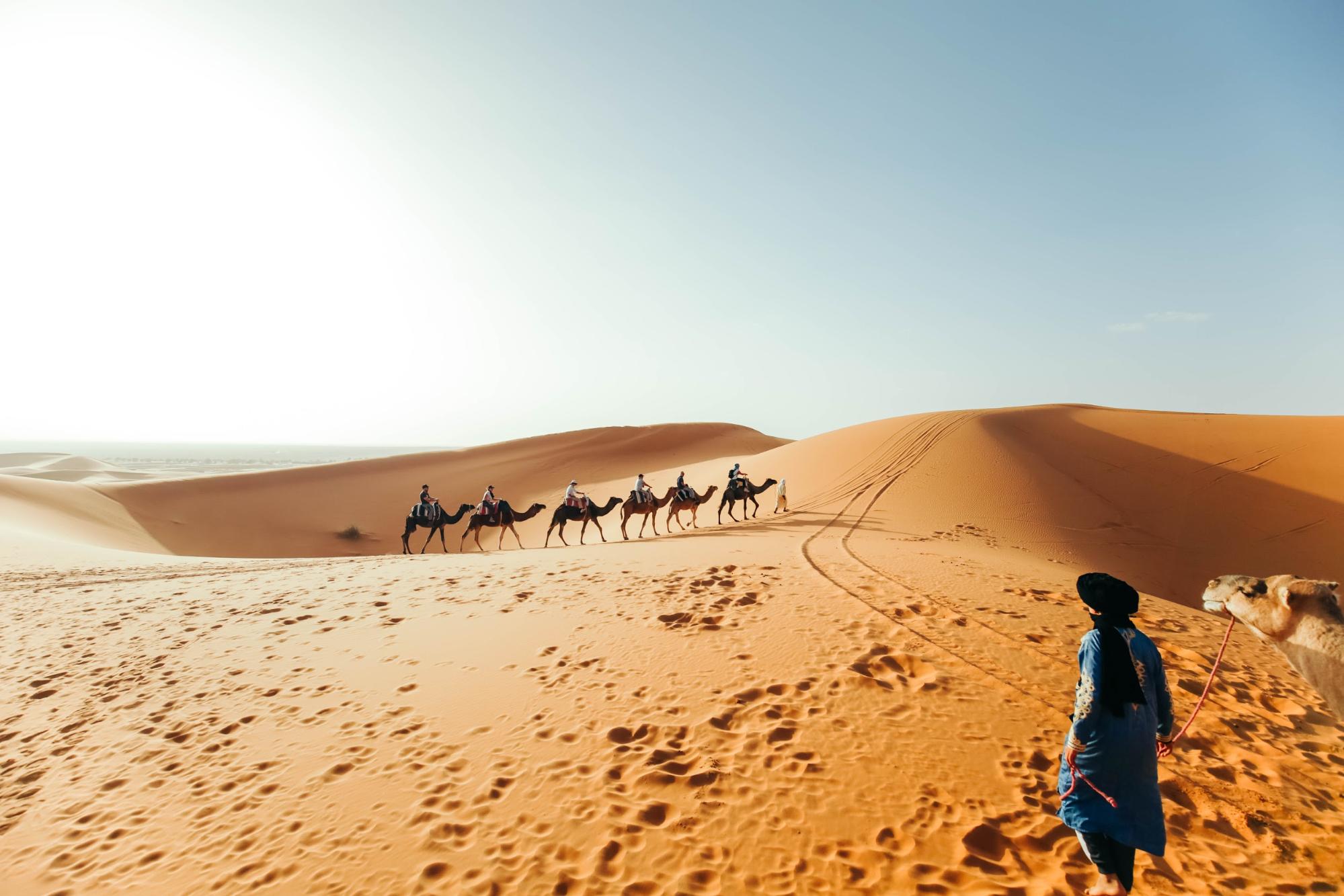
Solo travel isn’t just an escape—it’s a rebellion against the illusion that adventure requires a fortress of cash. The myth that wandering alone demands deep pockets is a lie whispered by those who’ve never learned the art of the thrifty odyssey. This isn’t about pinching pennies; it’s about rewiring your brain to see the world through the lens of resourcefulness. Below, you’ll find 100 ways to slash costs without sacrificing the essence of the journey. Some are obvious. Others will make you question everything you thought you knew about travel economics.
The Psychology of Spending: Why You’re Wasting Money Before You Even Leave
Most solo travelers hemorrhage cash before departure, not on the road. Airlines, hotels, and tour operators have conditioned us to believe that convenience is king—but convenience is a luxury tax. Start by auditing your spending habits. That daily latte? A $150/month habit that could fund a week in Southeast Asia. Subscriptions you forgot about? Cancel them. Bank fees? Switch accounts. The first step isn’t saving money; it’s reclaiming the power to decide where your dollars go.
Then, there’s the illusion of control. We book refundable hotels, overpay for travel insurance, and pre-pay for experiences we might hate. Flexibility is the ultimate hack. The less you lock in, the more you can pivot when a better deal appears—or when your mood shifts and you decide to chase a spontaneous detour.
Transportation: The Art of Moving for Less (Without the Suffering)
Flights are the most expensive part of any trip, but they don’t have to be. Use incognito mode to avoid dynamic pricing. Set fare alerts on Skyscanner and Google Flights. Fly mid-week. Consider nearby airports—sometimes, a $50 bus ride to a secondary hub saves $300 on a ticket. And when you land, resist the urge to take a taxi. Public transit, rideshares, or even walking will immerse you in the city’s rhythm while padding your wallet.
Trains and buses are underrated gems. Overnight sleeper trains in Europe or Asia save on lodging while delivering you to a new destination by dawn. Buses in Latin America or Southeast Asia can cost as little as $10 for 12-hour journeys—yes, you’ll sacrifice comfort, but the stories you’ll collect are priceless.

Accommodation: Sleep Cheap, Sleep Smart, Sleep Anywhere
Hostels aren’t just for broke backpackers—they’re hubs of serendipity. Many offer private rooms for the same price as a mid-range hotel. Look for ones with kitchens; cooking your own meals slashes food costs by 50%. Couchsurfing is another lifeline, though it requires social finesse. For the truly adventurous, monasteries, convents, and even lighthouses often rent rooms for a pittance.
House-sitting platforms like TrustedHousesitters let you live rent-free in exchange for pet or plant care. Work exchanges on WWOOF or Workaway offer free lodging in exchange for a few hours of labor daily. And if you’re feeling bold, try a night in a capsule hotel—Japan’s space-efficient pods cost as little as $20.

Food: Eat Like a Local, Not Like a Tourist
The first rule of budget dining: avoid restaurants in tourist zones. Walk 10 minutes away, and prices drop by half. Street food isn’t just cheap—it’s a cultural masterclass. In Vietnam, a bowl of pho costs $1. In India, a thali is $2. Markets are your best friend; buy fresh produce and cook for yourself. Even in expensive cities, local supermarkets offer salad bars and pre-made meals for a fraction of restaurant prices.
Happy hours aren’t just for drinks. Many restaurants offer discounted meals during off-peak hours. In Spain, menú del día lunches include a starter, main, dessert, and drink for €10. In Japan, convenience stores like 7-Eleven sell surprisingly delicious and cheap bento boxes. And if you’re really desperate, grocery stores often discount items at closing time—just grab and go.
Activities: Experiences That Cost Nothing (Or Next to It)
Museums have free days. Churches, temples, and parks are always free. Walking tours (tip-based) reveal hidden gems while letting you set your own pace. Volunteering with local NGOs or beach cleanups often includes free meals and a sense of purpose. Language exchanges double as socializing and skill-building—no cash required.
Nature is the ultimate free playground. Hiking trails, beaches, and forests cost nothing but deliver unforgettable moments. In many cities, free walking tours led by locals offer deeper insights than paid excursions. And if you’re craving culture, seek out free festivals, street performances, or community events—often, the best memories aren’t for sale.

Money Management: The Invisible Shield Against Financial Bleeding
Cash is king in many countries, but carrying large sums is risky. Use a no-foreign-transaction-fee debit card (like Charles Schwab or Revolut) and withdraw locally. Split your money across multiple cards and hide some in your luggage. Avoid dynamic currency conversion at ATMs—always choose to be charged in the local currency.
Track your spending with apps like Trail Wallet or YNAB. Set daily limits and stick to them. When you hit your cap, pause and reassess. The goal isn’t to deprive yourself but to ensure every dollar serves a purpose. And if you’re really strapped, consider a travel credit card with no annual fee—just pay it off in full every month to avoid interest.
Packing: The Zen of Lightweight Travel
A 40L backpack is all you need. Anything larger is a burden. Roll your clothes to save space. Wear your bulkiest items on the plane. Invest in a packing cube to organize your life. A microfiber towel doubles as a blanket, a picnic mat, and a makeshift curtain. A reusable water bottle with a filter (like LifeStraw) eliminates the need for plastic and saves cash.
Leave the “just in case” items at home. You won’t need three pairs of shoes. You won’t use that bulky hairdryer. The lighter your load, the more mobile you’ll be—and mobility is the ultimate money-saver.

Digital Nomad Hacks: Work, Wander, and Wallet-Friendly
If you’re working remotely, co-working spaces can be pricey. Cafés with strong Wi-Fi are your new office. Libraries, parks, and even McDonald’s offer free internet. Use apps like Workfrom or Coworker to find hidden gems. And if you’re staying long-term, negotiate monthly rates at hostels or guesthouses—many offer discounts for stays over a week.
Time zones are your ally. Schedule calls during off-hours to avoid roaming charges. Use offline maps (Google Maps or Maps.me) to save data. A local SIM card is cheaper than international roaming—buy one at the airport or a local shop. And if you’re really cutting costs, consider a travel router to create your own hotspot.
The Unwritten Rules of Solo Travel: Savvy Beyond the Checklist
Timing is everything. Travel during shoulder seasons—between peak and off-peak—to dodge crowds and high prices. Book flights on Tuesdays, when deals are often released. Use incognito mode to avoid price hikes based on your search history. And always, always haggle. In markets, taxis, and even hotels, a polite negotiation can save you 20-30%.
Finally, embrace the discomfort. The best savings come from the unexpected—staying in a stranger’s home, taking a last-minute bus to nowhere, eating a meal you can’t pronounce. The world rewards the bold, not the cautious. So go ahead. Break the rules. Your wallet—and your soul—will thank you.