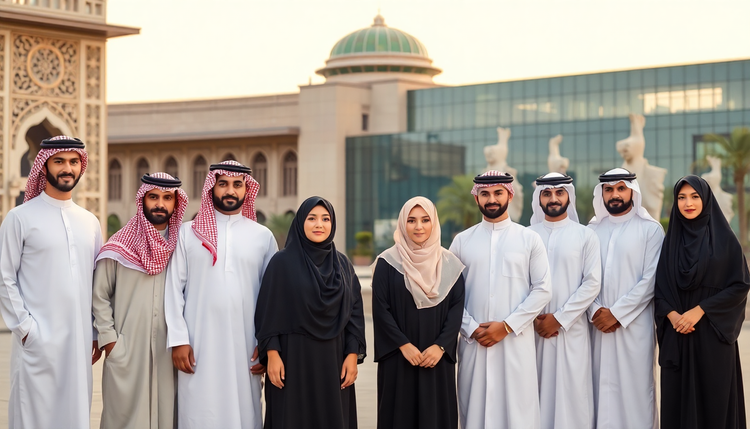
Traveling through the Middle East offers unforgettable cultural experiences, but navigating local dress expectations is essential for personal safety and respect. This guide outlines practical clothing strategies that help female travelers blend in, avoid unwanted attention, and stay comfortable across diverse environments—from bustling markets to sacred sites.
1. Embrace Loose-Fitting Garments
Baggy clothing reduces the visibility of body contours, which aligns with modesty norms in many Middle Eastern societies. Opt for tunics, maxi dresses, or wide-leg trousers made from breathable fabrics. Loose silhouettes also provide practical benefits, such as better airflow in hot climates and increased mobility when navigating crowded streets.
2. Prioritize Long Sleeves and Full-Length Pants
In most Gulf and Arab countries, uncovered arms and legs can attract unwanted stares or questions. Long sleeves—whether short-sleeved or fully covered—protect skin from both cultural scrutiny and the intense sun. Similarly, full-length pants or ankle-length skirts prevent accidental exposure and are widely accepted in public spaces.
3. Choose High-Neck Tops or Layered Layers
High necklines, such as crew, turtleneck, or modest V‑necks, diminish the chance of drawing attention to the chest area. When temperatures rise, layering a lightweight cardigan or shawl over a short-sleeve top offers the flexibility to adjust coverage without compromising modesty.
4. Use Lightweight, Breathable Fabrics
Natural fibers like cotton, linen, and bamboo allow sweat to evaporate, keeping you comfortable in desert heat. Technical blends that wick moisture can also be effective, especially when combined with loose cuts. Avoid heavy synthetics that trap heat, which can lead to discomfort and negative interactions with locals.
5. Incorporate a Versatile Scarf or Shawl
A medium‑size scarf serves multiple purposes: it can cover the hair in religious sites, protect the neck from sunburn, and provide an extra layer of modesty when needed. Choose neutral colors that complement your wardrobe and can be easily draped or tied without extensive effort.
6. Select Neutral or Earthy Color Palettes
Subdued tones like beige, olive, navy, and charcoal blend seamlessly with the regional environment and do not stand out against cultural backdrops. Bright colors or bold patterns may attract attention, which can be counterproductive to a low‑profile approach.
7. Wear Closed-Toe Shoes with Moderate Heels
Closed shoes protect feet from dust, sand, and uneven surfaces while maintaining a modest appearance. Low‑to‑mid heels or flat boots strike a balance between elegance and practicality, ensuring you can navigate historic sites and marketplaces without risk of injury.
8. Avoid Sheer or Transparent Materials
Sheer fabrics, even when layered, can be deemed inappropriate in conservative settings and may lead to unwanted remarks. Opt for solid, opaque materials that guarantee full coverage regardless of lighting conditions.
9. Keep Accessories Simple and Functional
Large, flashy jewelry can be a distraction and may attract pickpockets. Simple watches, modest earrings, and a small crossbody bag with secure closures are sufficient. A bag that rests close to the body reduces the chance of theft while allowing easy access to essentials.
10. Prepare for Religious Sites with Specific Dress Codes
Mosques, churches, and temples often require additional coverage, such as covering the head and removing shoes. Carry a lightweight, modest coat or wrap that can be quickly added when entering these spaces. Research the specific requirements of each destination in advance to avoid last‑minute improvisation.
11. Adapt to Regional Variations
The Middle East is not monolithic; dress expectations differ between the Gulf states, Levant, and North Africa. In Saudi Arabia, stricter interpretations may call for an Abaya, whereas in Jordan or Lebanon, a modest casual style suffices. Adjust your wardrobe based on the specific country, city, and neighborhood you will visit.
12. Respect Local Seasonal Changes
Winter months in mountainous regions can bring cooler temperatures, prompting the need for warmer layers. Conversely, summer heat demands lighter attire. Maintaining modesty while adapting to temperature fluctuations ensures safety and comfort year-round.
13. Use Layering to Transition Between Indoor and Outdoor Settings
Air‑conditioned interiors often feel chilly compared to the desert outside. A layered approach—such as a long-sleeve top beneath a short‑sleeve tee, topped with a light jacket—allows you to add or remove pieces without compromising modesty.
14. Test Clothing for Comfort Before Departure
Wearing new garments for an extended period can reveal hidden issues like chafing or poor fit. Conduct a trial run by wearing your selected outfits during a full day of activities. Adjust any pieces that cause discomfort before your trip, ensuring you remain focused on safety rather than wardrobe adjustments.
15. Maintain a Respectful Attitude Toward Local Norms
Clothing choices convey messages beyond protection; they signal respect for cultural values. By aligning your attire with local expectations, you reduce the likelihood of confrontations, allowing you to engage more freely with residents and enjoy a safer travel experience.