Traveling with an infant for the first time can feel like stepping into an unfamiliar world, where every detail—from packing to airport navigation—takes on heightened significance. New parents often notice that the seemingly minor adjustments they make have a disproportionate impact on the overall experience, revealing a deeper fascination with creating a safe, comfortable environment for their most vulnerable passenger. Below are essential tips that translate these observations into practical steps, ensuring a smoother journey for both baby and caregiver.
1. Choose a Baby-Friendly Seat
Select an aisle seat near the front of the cabin whenever possible. This positioning grants quicker access to the lavatory and allows you to step out of the row without disturbing multiple passengers. The proximity to the front also means less turbulence perception for the baby, reducing the likelihood of agitation during flight.
2. Pack a Dedicated Carry‑On Baby Bag
Designate a separate, well‑organized carry‑on for baby essentials. Include diapers, wipes, a change of clothes, feeding supplies, and a small blanket. The observation that a chaotic bag leads to stress is rooted in the need for rapid response; a neatly compartmentalized bag eliminates frantic searches and helps maintain a calm atmosphere.
3. Pre‑Board to Settle In
Take advantage of early boarding offered to families with infants. This extra time lets you install the car seat or positioning device, stow your bag, and arrange your baby’s comfort items without the pressure of a crowded aisle. The deeper reason for this preference is the reduced exposure to rush‑hour stressors that can unsettle a newborn.
4. Bring a Portable White Noise Device
Airplane cabins are noisy, and unfamiliar sounds can disturb a baby’s sleep patterns. A compact white noise machine creates a familiar auditory backdrop, reminding the infant of home’s soothing environment. This simple tool addresses the common observation that babies sleep better when ambient noise mimics their usual setting.
5. Schedule Flights Around Naptime
Plan your departure and arrival times to align with your baby’s natural sleep schedule. When a child is likely to nap, the chance of a peaceful, uninterrupted flight increases. This strategy taps into the deeper understanding that a well‑rested infant is less prone to fussiness and more adaptable to new surroundings.
6. Use a Front‑Facing Car Seat Approved for Air Travel
Invest in a car seat that meets FAA regulations for in‑seat use. Positioning your baby in a familiar safety device not only offers consistent support but also reinforces the sense of security they associate with car rides. The observation that a known seat reduces crying highlights the psychological comfort derived from routine.
7. Keep Feeding Supplies Accessible
Whether you bottle‑feed or breastfeed, organize bottles, nipples, or nursing covers within easy reach. Having these items visible and within arm’s length prevents last‑minute scrambling, which can cause both caregiver and infant stress. The deeper rationale is that predictable feeding intervals help maintain the baby’s baseline mood.
8. Dress Baby in Layers
Cabin temperatures fluctuate, so dress your infant in lightweight, breathable layers that can be added or removed as needed. A simple observation that babies often become either too hot or cold underscores the importance of flexibility, allowing you to quickly adjust comfort without disrupting the flight.
9. Bring a Stroller That Collapses Quickly
A lightweight, compact stroller that folds in seconds simplifies airport navigation and gate‑to‑plane transitions. The common observation of travelers wrestling with bulky equipment reveals a deeper need for mobility; a fast‑folding stroller ensures you remain nimble while keeping the baby safely contained.
10. Prepare for Security Screening
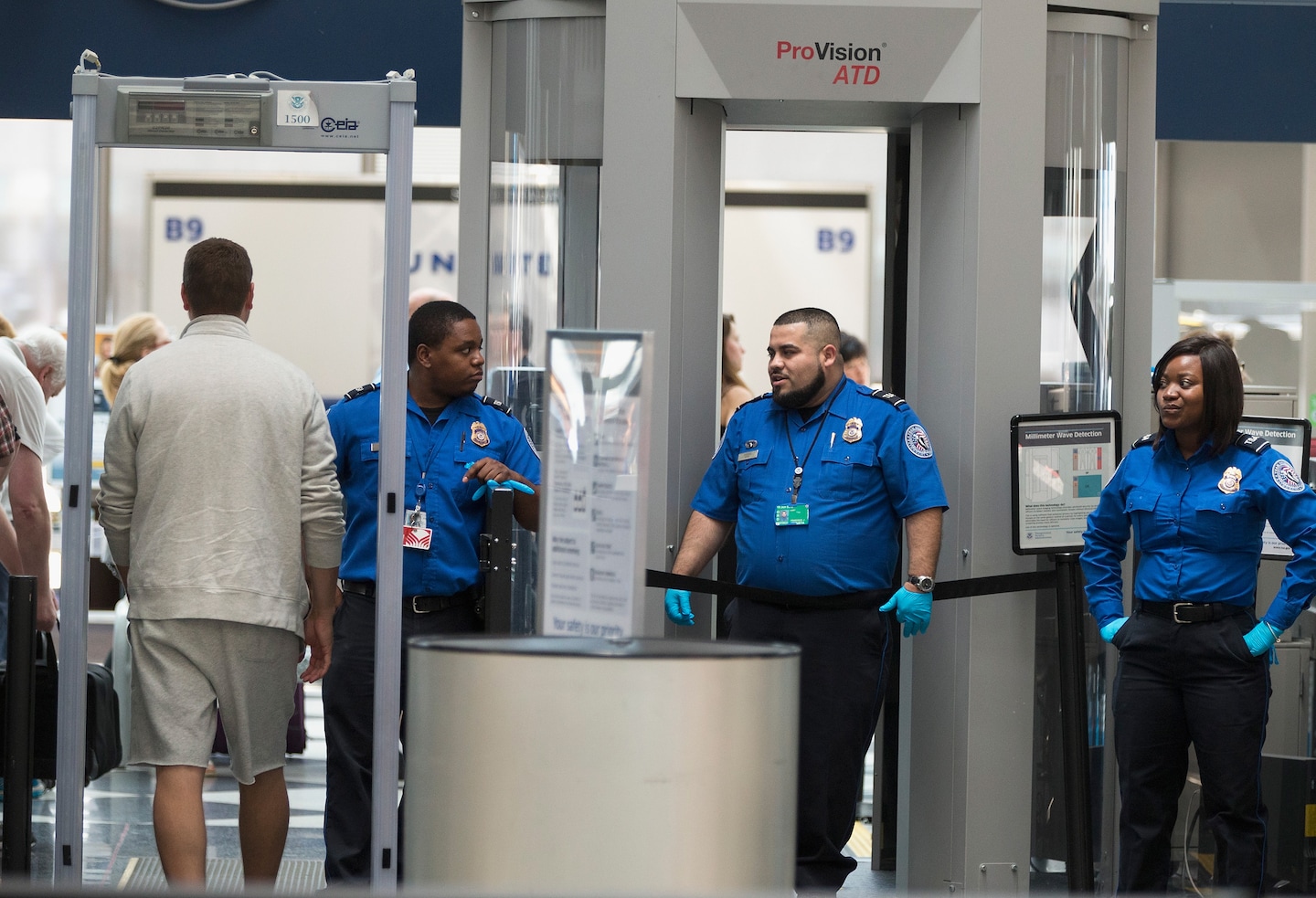
Know the TSA guidelines for traveling with infants: you can bring breast milk, formula, and baby food in reasonable quantities, but they must be declared. Placing these items in a clear, zip‑top bag speeds up inspection and reduces the chance of having to discard supplies. This preparation addresses the anxiety many first‑time travelers feel when faced with unfamiliar security procedures.
11. Schedule a Pre‑Travel Check‑In with the Airline
Contact the airline ahead of time to confirm infant seating options, request bassinets if available, and verify any special accommodations. The observation that last‑minute requests often go unfulfilled highlights the deeper benefit of proactive communication: it secures the amenities that contribute to a smoother trip.
12. Maintain a Calm Demeanor
Your emotional state directly influences your baby’s behavior. Speak in a soothing tone, maintain steady eye contact, and handle disruptions with patience. The fascination many parents have with “keeping calm” stems from the fundamental bond that transmits serenity to the infant, making the travel experience more pleasant for everyone involved.